
 Our Centers
 Select City


 Select City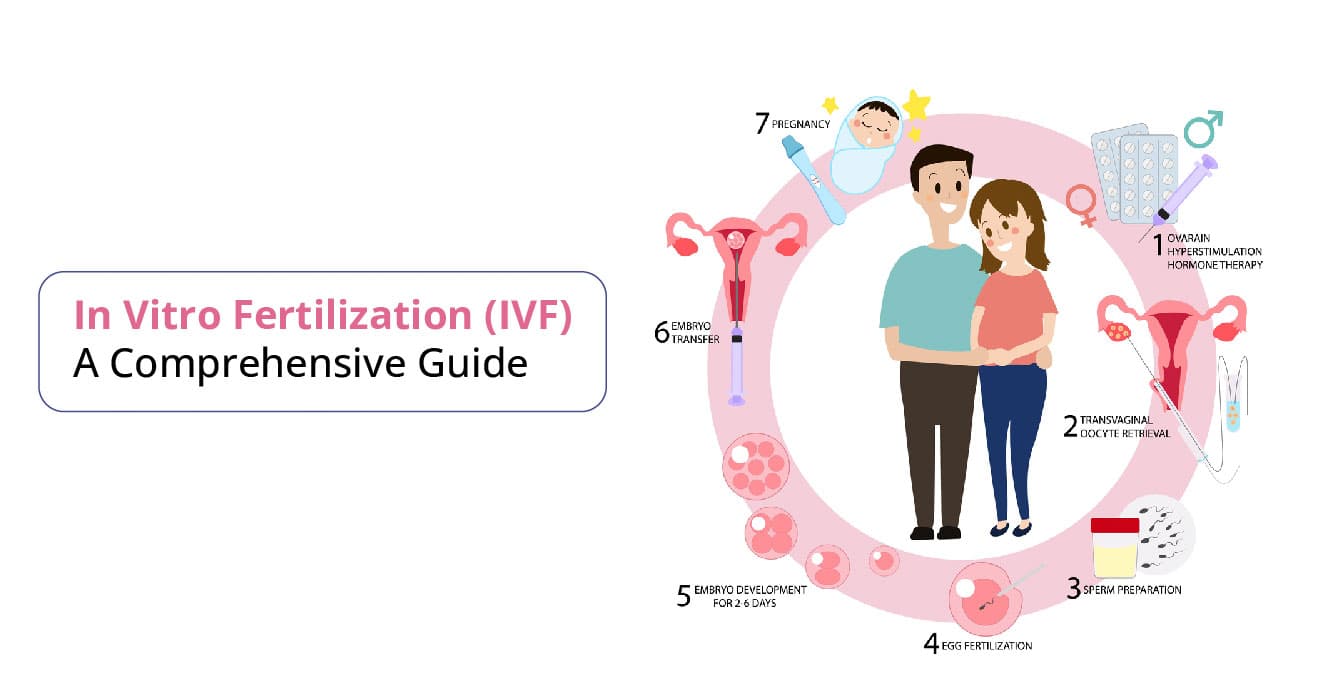
IVF Treatment: Step-by-Step Process, Cost & Success Rate
Table of Contents
- What is In Vitro Fertilization (IVF) Treatment?
- IVF Treatment Process: Step-by-Step IVF Procedure Explained
- Step 1. Initial Consultation and Fertility Assessment Before IVF Treatment
- Step 2. Ovarian Stimulation to Develop Multiple Mature Eggs
- Step 3. Monitoring Follicle Growth and Hormone Levels During IVF
- Step 4. Egg Retrieval Procedure to Collect Mature Eggs
- Step 5. Sperm Collection and Preparation for Fertilisation
- Step 6. Fertilisation of Eggs Through IVF or ICSI
- Step 7. Embryo Development and Monitoring in the Laboratory
- Step 8. Embryo Transfer into the Uterus After Fertilisation
- Step 9. Luteal Phase Support After Embryo Transfer
- Step 10. Pregnancy Test After Completing the IVF Treatment Process
- How Much Does IVF Treatment Cost in India?
- Types of IVF Treatment Recommended for Different Fertility Needs
- What is the IVF Success Rate?
- Why is IVF Recommended?
- How Can You Prepare for a Successful IVF Treatment?
- Understand the IVF Treatment Process
- Consult a Fertility Specialist Before IVF
- Make Healthy Lifestyle Changes Before IVF
- Consider Genetic Testing Before IVF Treatment
- Plan Your IVF Treatment Budget
- Take Recommended Medications and Supplements
- Build a Strong Support System
- Prepare Your Home for IVF Treatment
- How Many Injections are Needed for IVF Treatment?
- How to Select the Best IVF Treatment Center in India?
- Understand How IVF Success Rates Are Calculated
- Evaluate the Fertility Specialist’s Experience
- Ask About the IVF Laboratory and Embryology Standards
- Confirm Full Fertility Diagnosis Before Starting IVF
- Ask for an Itemised IVF Cost Breakdown
- Assess Patient Care and Access to Your Doctor
- Check the Range of Fertility Services Offered
- Conclusion
- Frequently Asked Questions About the IVF Treatment Process
- I am 45, can I still undergo IVF treatment?
- How long does it take IVF to show results?
- Can I conceive through IVF after menopause?
- How long do I have to take off from work for the IVF procedure?
- Is IVF treatment stressful?
- What is the full form of IVF?
- How many injections are needed in an IVF cycle?
- What are the benefits of IVF?
- When should I opt for IVF?
- How many IVF cycles should a woman try?
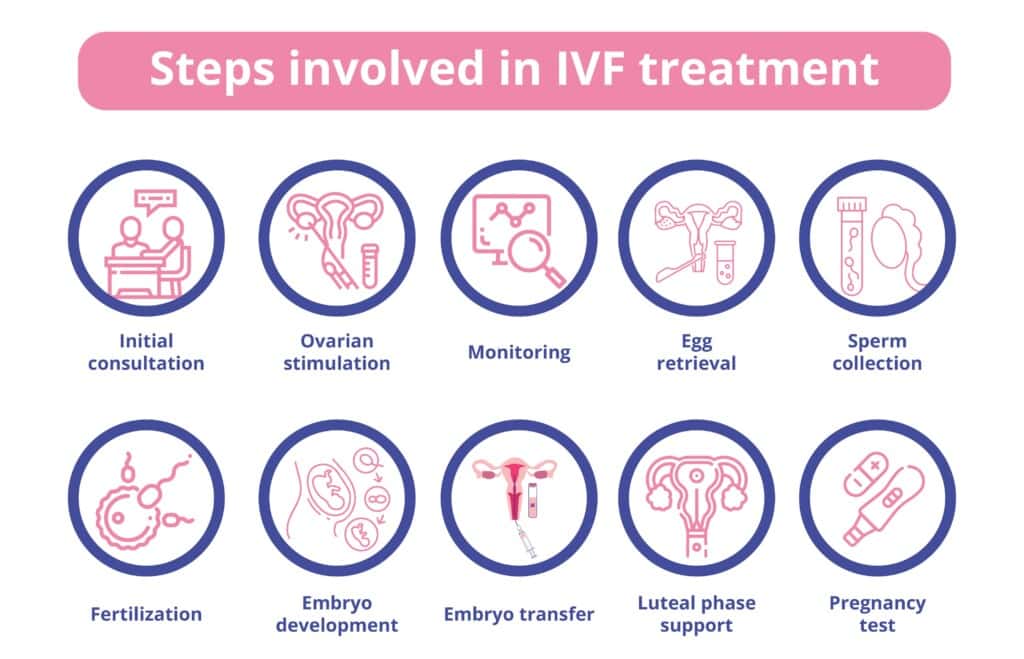
Step 1. Initial Consultation and Fertility Assessment Before IVF Treatment
The first step is to consult with an infertility specialist or reproductive endocrinologist. They will review your medical history and conduct various tests, which include a transvaginal ultrasound, hormonal profiling, and a semen analysis for the male partner. Where tubal patency is in question, an HSG test may be added, since a blocked fallopian tube in the female partner changes the treatment plan considerably.
Step 2. Ovarian Stimulation to Develop Multiple Mature Eggs
During this stage, the woman is given hormonal medicine to stimulate her ovaries to produce several healthy eggs rather than the single egg that develops during a normal menstrual cycle. These drugs are normally taken for 8-14 days and are administered via self-administered injections. Women with PCOS or irregular cycles often need a modified protocol, so the dose is set individually rather than by a standard formula.
Step 3. Monitoring Follicle Growth and Hormone Levels During IVF
Throughout the ovarian stimulation phase, regular monitoring is crucial. This involves frequent ultrasounds and blood tests to assess the development of ovarian follicles (fluid-filled sacs containing eggs) and hormone levels. A hormone specialist reviews these results between scans, and the medication dose is adjusted according to how the follicles respond.
Step 4. Egg Retrieval Procedure to Collect Mature Eggs
An egg retrieval technique is performed once the follicles have achieved the proper size and maturity. Under light anaesthesia, a doctor utilises ultrasound guidance to aspirate fluid and eggs from the ovaries with a thin needle. The treatment takes approximately 20- 30 minutes.
Step 5. Sperm Collection and Preparation for Fertilisation
When the egg retrieval procedure happens, the sperm donor or male partner is asked to provide a semen sample. Later, the sample is processed in the laboratory to separate the healthy sperm from the seminal fluid. Where the count is very low or absent, a male infertility specialists may recommend surgical retrieval through micro-TESE, which is the standard approach in cases of azoospermia. Samples can also be collected in advance and preserved through sperm freezing.
Step 6. Fertilisation of Eggs Through IVF or ICSI
In the laboratory, the retrieved eggs are mixed with the prepared sperm. Fertilisation can take place via conventional insemination, in which the sperm is placed close to the eggs, or via intracytoplasmic sperm injection (ICSI), in which a single sperm is directly injected into each mature egg.
Step 7. Embryo Development and Monitoring in the Laboratory
The fertilised eggs, now called embryos, are cultured in a controlled environment in the laboratory. They are monitored for cell division and growth for several days.
Step 8. Embryo Transfer into the Uterus After Fertilisation
The developed embryos are put into the woman’s uterus after a period of incubation, typically 3- 6 days after retrieval. The technique is normally painless and does not necessitate the use of anaesthesia. The number of embryos transferred is usually decided by criteria such as the woman’s age, the quality of the embryos, and previous IVF treatments.
Step 9. Luteal Phase Support After Embryo Transfer
Following the embryo transfer, the woman may be prescribed medications (such as progesterone) to support the uterine lining and early pregnancy.
Step 10. Pregnancy Test After Completing the IVF Treatment Process
Approximately 10-14 days after the embryo transfer, a blood test or a urine test is conducted to determine if the woman has conceived a baby. If the test comes back positive, it confirms pregnancy. On the other hand, if the result is negative, that’s a sign of a failed IVF treatment. It’s worth noting that not all IVF cycles result in pregnancy, and individuals or couples may require multiple attempts before achieving a successful pregnancy. The process can be emotionally and physically demanding, and it’s important to have proper support and guidance from your fertility expert throughout the journey.
How Much Does IVF Treatment Cost in India?
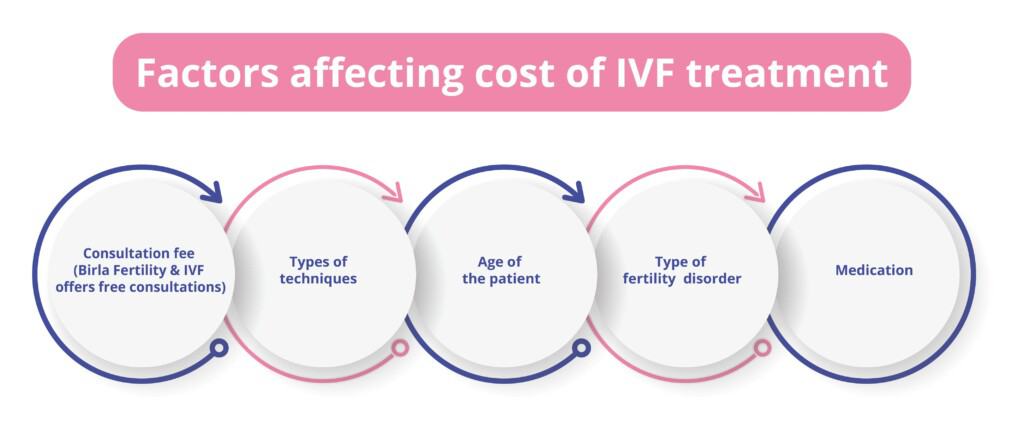
The average IVF cost in India may start at Rs. 1,50,000 and can go as high as Rs. 3,50,000. The above-mentioned cost for IVF in India is an approximate range to give you an idea of the expenses included in the treatment.
| Component | Indicative range |
| Base IVF package | ₹90,000 – ₹1,50,000 |
| Stimulation medication | ₹60,000 – ₹1,50,000 |
| ICSI (if needed) | ₹25,000 – ₹50,000 |
| PGT genetic testing | ₹30,000 – ₹80,000 |
| Embryo freezing | ₹20,000 – ₹40,000 |
| Pre-treatment diagnostics | ₹10,000 – ₹25,000 |
IVF Treatment Cost in Your City
IVF treatment costs vary significantly by location. In metro cities, it can typically cost ₹50,000 to ₹1,00,000 more than in tier-2 cities. The difference is operational cost, not clinical quality.
| City | IVF Treatment cost | Compare treatments | Find specialists |
| Ahmedabad | ₹1,40,000 – ₹2,80,000 | IVF · ICSI · IUI | Specialists |
| Allahabad | ₹1,20,000 – ₹2,40,000 | IVF · ICSI · IUI | Specialists |
| Bangalore | ₹1,70,000 – ₹3,20,000 | IVF · ICSI · IUI | Specialists |
| Bhopal | ₹1,20,000 – ₹2,40,000 | IVF · ICSI · IUI | Specialists |
| Bhubaneswar | ₹1,25,000 – ₹2,50,000 | IVF · ICSI · IUI | Specialists |
| Chandigarh | ₹1,45,000 – ₹2,85,000 | IVF · ICSI · IUI | Specialists |
| Chennai | ₹1,60,000 – ₹3,10,000 | IVF · ICSI · IUI | Specialists |
| Cuttack | ₹1,20,000 – ₹2,40,000 | IVF · ICSI · IUI | Specialists |
| Delhi | ₹1,80,000 – ₹3,50,000 | IVF · ICSI · IUI | Specialists |
| Gorakhpur | ₹1,15,000 – ₹2,30,000 | IVF · ICSI · IUI | Specialists |
| Gurgaon | ₹1,75,000 – ₹3,40,000 | IVF · ICSI · IUI | Specialists |
| Guwahati | ₹1,30,000 – ₹2,60,000 | IVF · ICSI · IUI | Specialists |
| Howrah | ₹1,35,000 – ₹2,70,000 | IVF · ICSI · IUI | Specialists |
| Hyderabad | ₹1,65,000 – ₹3,15,000 | IVF · ICSI · IUI | Specialists |
| Indore | ₹1,30,000 – ₹2,60,000 | IVF · ICSI · IUI | Specialists |
| Jaipur | ₹1,35,000 – ₹2,70,000 | IVF · ICSI · IUI | Specialists |
| Jalandhar | ₹1,30,000 – ₹2,60,000 | IVF · ICSI · IUI | Specialists |
| Kannur | ₹1,25,000 – ₹2,50,000 | IVF · ICSI · IUI | Specialists |
| Kolar | ₹1,15,000 – ₹2,30,000 | IVF · ICSI · IUI | Specialists |
| Kolkata | ₹1,55,000 – ₹3,00,000 | IVF · ICSI · IUI | Specialists |
| Kozhikode | ₹1,25,000 – ₹2,50,000 | IVF · ICSI · IUI | Specialists |
| Lucknow | ₹1,25,000 – ₹2,50,000 | IVF · ICSI · IUI | Specialists |
| Mangalore | ₹1,30,000 – ₹2,60,000 | IVF · ICSI · IUI | Specialists |
| Meerut | ₹1,25,000 – ₹2,50,000 | IVF · ICSI · IUI | Specialists |
| Mumbai | ₹1,85,000 – ₹3,50,000 | IVF · ICSI · IUI | Specialists |
| Nagpur | ₹1,35,000 – ₹2,70,000 | IVF · ICSI · IUI | Specialists |
| Noida | ₹1,70,000 – ₹3,30,000 | IVF · ICSI · IUI | Specialists |
| Palakkad | ₹1,20,000 – ₹2,40,000 | IVF · ICSI · IUI | Specialists |
| Patna | ₹1,25,000 – ₹2,50,000 | IVF · ICSI · IUI | Specialists |
| Perinthalmanna | ₹1,15,000 – ₹2,30,000 | IVF · ICSI · IUI | Specialists |
| Raipur | ₹1,25,000 – ₹2,50,000 | IVF · ICSI · IUI | Specialists |
| Ranchi | ₹1,25,000 – ₹2,50,000 | IVF · ICSI · IUI | Specialists |
| Rewari | ₹1,20,000 – ₹2,40,000 | IVF · ICSI · IUI | Specialists |
| Salem | ₹1,20,000 – ₹2,40,000 | IVF · ICSI · IUI | Specialists |
| Siliguri | ₹1,25,000 – ₹2,50,000 | IVF · ICSI · IUI | Specialists |
| Surat | ₹1,40,000 – ₹2,75,000 | IVF · ICSI · IUI | Specialists |
| Thrissur | ₹1,25,000 – ₹2,50,000 | IVF · ICSI · IUI | Specialists |
| Varanasi | ₹1,20,000 – ₹2,40,000 | IVF · ICSI · IUI | Specialists |
| Vijayapura | ₹1,15,000 – ₹2,30,000 | IVF · ICSI · IUI | Specialists |
Types of IVF Treatment Recommended for Different Fertility Needs
IVF is one of the methods of assisted reproductive technology (ART) to help couples with infertility issues. According to the patient’s fertility needs, the IVF technique is determined. Here are the different types of IVF treatments:
- Natural IVF cycle – In a natural IVF (in vitro fertilization) cycle, the aim is to collect the egg that is naturally selected and released by the woman’s body during her natural menstrual cycle. Unlike the traditional IVF cycle, which involves stimulating the ovaries with medications to produce multiple eggs, natural IVF focuses on retrieving the single egg that is naturally developed.
- Minimal stimulation – Minimal stimulation, also known as low stimulation or minimal medicine, is used for IVF treatment. It is a modified approach to in vitro fertilization (IVF) in order to stimulate the ovaries for egg production. The sole aim of minimal stimulation is to reduce the use of medications and minimize the risk of complications. It is also known as mini-IVF or mild stimulation IVF.
IVF with Frozen Embryo Transfer (FET)
IVF with Frozen embryo transfer (FET) – IVF involves the fertilization of an egg with sperm outside the body, in a laboratory setting. After fertilization, the resulting embryos are typically cultured for a few days, and then one or more of them can be transferred to the woman’s uterus in a process known as embryo transfer. FET, on the other hand, stands for frozen embryo transfer. It is a technique used in IVF where embryos not transferred during the initial fresh cycle are cryopreserved (frozen) for future use. These frozen embryos can later be thawed and transferred to the woman’s uterus during a frozen embryo transfer cycle.
IVF Treatment with Elective Single Embryo Transfer (eSET)
During this technique of IVF, an expert selects a single embryo from a large number of fertilised eggs. Later, the selected healthy embryo is implanted into the uterine lining to achieve pregnancy.
IVF with Intracytoplasmic Sperm Injection (ICSI)
IVF with ICSI (Intracytoplasmic Sperm Injection) is a specialized form of in vitro fertilization (IVF) used to overcome certain types of male infertility. ICSI is primarily recommended when there are significant issues with the quality or quantity of sperm available for fertilization. During the ICSI procedure, a single sperm is selected and directly injected into the cytoplasm of an egg retrieved from the woman. IVF with ICSI has been shown to be highly effective in overcoming male-factor infertility, such as low sperm count, poor sperm motility, or abnormal sperm shape. It provides an opportunity for couples facing fertility challenges to achieve pregnancy and have a child.
IVF Treatment with Surgically Retrieved Sperm
A semen sample is obtained from the male partner through masturbation or surgical extraction methods such as testicular sperm aspiration (TESA) or testicular sperm extraction (TESE). To prepare the semen, the sample first undergoes a series of laboratory processes to isolate motile, healthy sperm. This involves separating the sperm from the seminal fluid and selecting the most viable sperm for injection. This step is performed by an expert embryologist, using a specialized microscope and micromanipulation tools, and a single sperm is carefully injected into the cytoplasm of each mature egg.
IVF with Donor Sperm
It is one of the best-known IVF methods for single mothers who want to conceive and raise a baby alone. However, in this technique, a woman is provided with ovarian stimulation medications to prepare for egg retrieval in order to combine with donor sperm for embryo culture.
What is the IVF Success Rate?
According to the reports, the average IVF success rate in India is somewhere between 30% and 35%. However, the success rate of IVF varies based on several factors, including the woman’s age, the type of infertility disorder, the quality of the sperm and eggs, the expertise of the fertility specialist, and the reputation of the fertility clinic where you are receiving IVF treatment. At Birla Fertility & IVF, the IVF success rate is 85%, and for multi-cycle treatments, it is 100%.
IVF success rate is typically given as a percentage of live births per IVF cycle or per embryo transfer. The IVF success rate is often greater for younger women but declines with age. The following IVF success rates are reported by female age. The IVF success rate may differ based on the patient’s overall fertility health. Refer to the table below for an idea of the success rate by age for IVF treatment.
| Age of the Patient | Average Success Rate |
| Under 35 | 35% – 40% |
| 35 – 37 | 25% – 35% |
| 38 – 40 | 20% – 25% |
| 41 – 42 | 10% – 15% |
| Above 42 | 3% – 8% |
Why is IVF Recommended?
In vitro fertilization (IVF) is the most successful technique among all fertility treatments. Though, typically, the reason and requirements for undergoing IVF may differ from one patient to another. Below are a few causes and reasons for which IVF is advised for male and female partners.
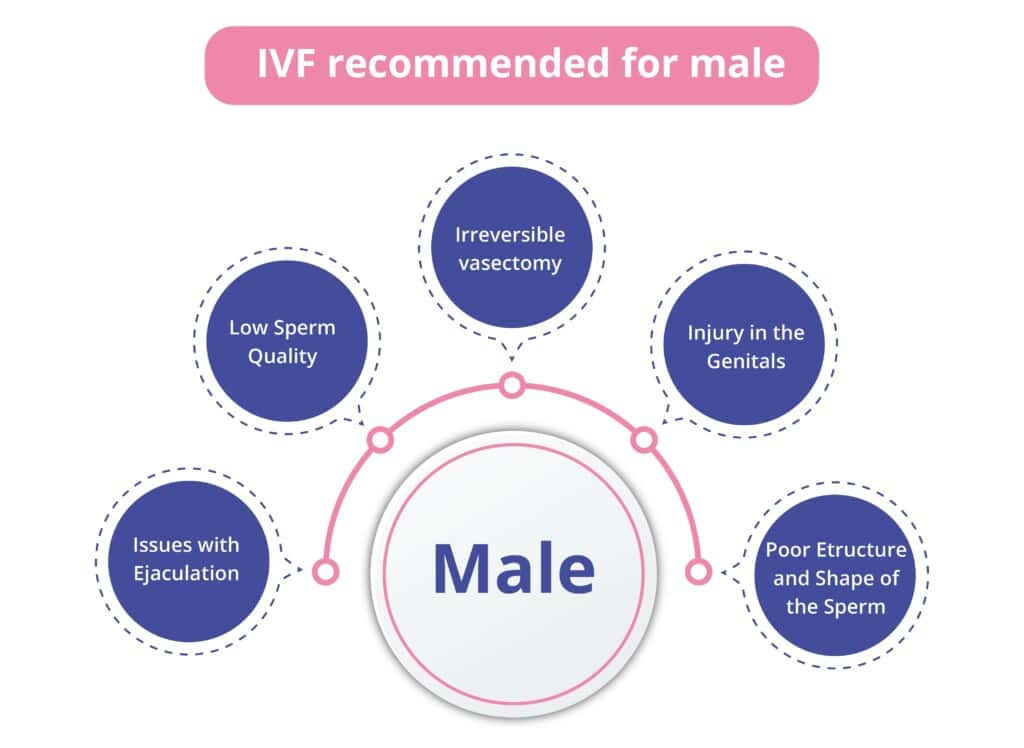
Male Requirements:
- Issues with ejaculation
- Low sperm quality
- Irreversible vasectomy
- Injury in the genitals
- Poor structure and shape of the sperm
- Affected with paralyses, etc.
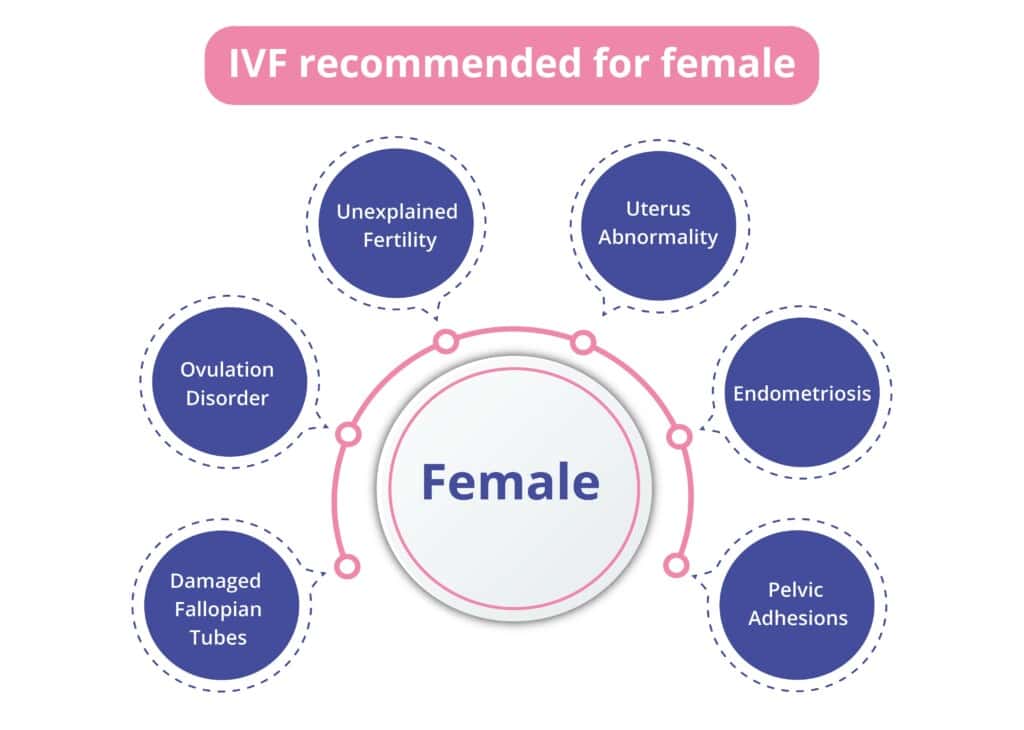
Female Requirements:
- Damaged fallopian tubes
- Ovulation disorder
- Unexplained fertility
- Uterus abnormality
- Endometriosis
- Pelvic adhesions
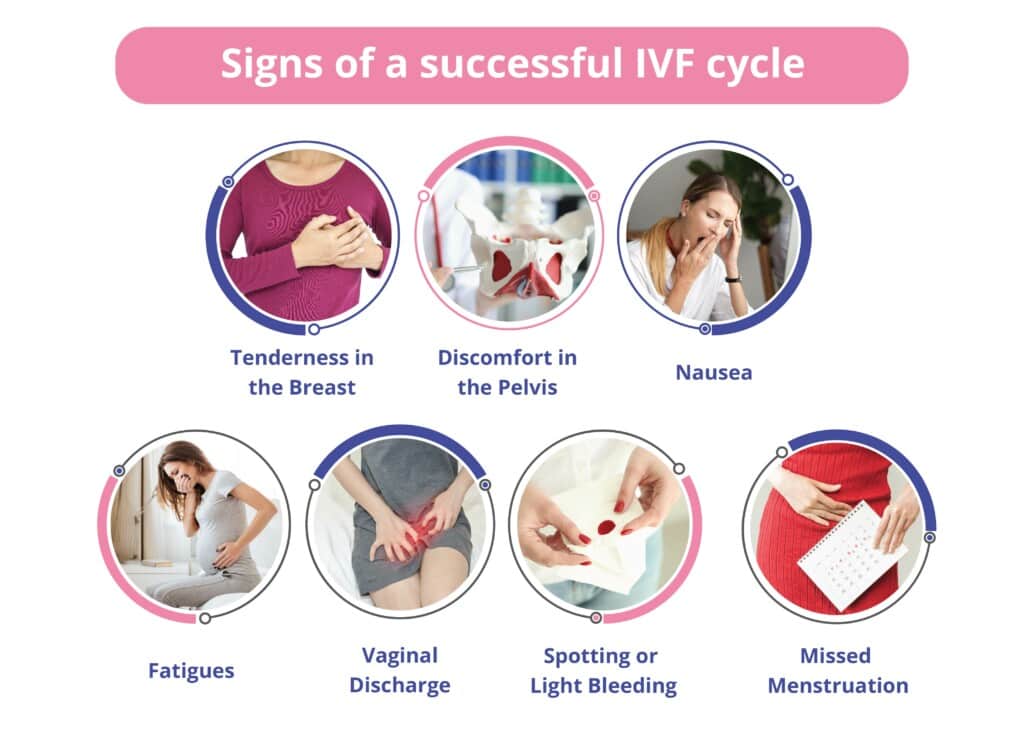
How Can You Prepare for a Successful IVF Treatment?
It is always a better idea to prepare yourself for IVF treatment. By doing this, you can improve your chances of successful IVF treatment and can expect a smooth journey. Here are a few tips that can help you prepare before undergoing IVF treatment:
Understand the IVF Treatment Process
Learn about IVF, including all stages of treatment, potential risks, success rates, and any lifestyle adjustments that may be required.
Consult a Fertility Specialist Before IVF
It is advisable to schedule your appointment with a fertility specialist. They will run a thorough diagnosis in order to examine the overall fertility health and determine the IVF technique based on the results of the reports.
Make Healthy Lifestyle Changes Before IVF
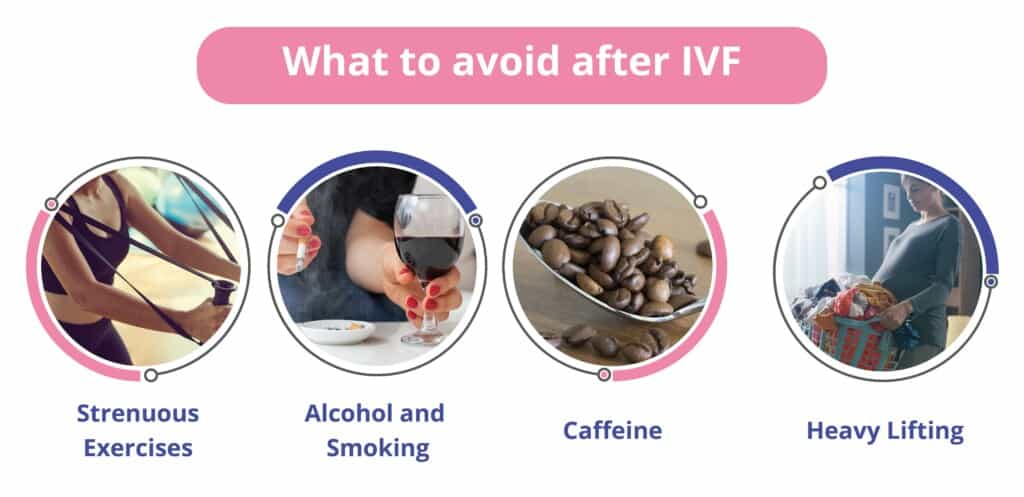
Follow healthy lifestyle practices to elevate your chances of a successful outcome. The lifestyle adjustments may include maintaining an 8-hour sleep pattern, eating a healthy and well-balanced diet that is enriched with nutrients, managing your stress, and quitting drugs, tobacco, and alcohol.
Consider Genetic Testing Before IVF Treatment
Getting a genetic test before IVF treatment can help you eliminate hereditary illnesses or chromosomal abnormalities during embryo culture. The result of such tests can boost the likelihood of a successful pregnancy.
Plan Your IVF Treatment Budget
You can always discuss your financial considerations with your chosen fertility clinic. Also, fertility treatments like IVF can be expensive; therefore, to combat that, you can figure out loans and aid for the cost strain beforehand to avoid any stress in the future.
Take Recommended Medications and Supplements
Take your recommended supplements and medications on time to manage your menstrual cycle and support healthy egg production. Supplements such as folic acid and prenatal vitamins are recommended to support overall fertility.
Build a Strong Support System
Consider joining groups to manage your stress levels. IVF treatment can be physically and mentally exhausting; therefore, it is better to seek help from your friends, family, and partner.
Prepare Your Home for IVF Treatment
Prepare your home for the IVF process by organising any medications, supplies, or equipment that you may require. Familiarize yourself with drug storage and administration guidelines.
How Many Injections are Needed for IVF Treatment?
Most patients receive between 20 and 45 injections in a single IVF cycle, and the number depends far more on which protocol your doctor selects than on anything you control. This guide breaks down the count by phase, explains why two patients at the same clinic can have very different totals, and covers what genuinely makes the process easier.
Injections by Phase of the IVF Cycle
1. Down-Regulation Injections
Timing this correctly is harder if you have irregular periods, so your clinic may confirm cycle dates first. These injections temporarily switch off your natural hormone signalling, so the clinic controls follicle growth precisely. This phase has 14 to 21 injections. It is generally for patients with endometriosis, previous poor cycle control, or specific hormonal patterns identified by an endocrinologist.
2. Ovarian Stimulation Injections
During this stage, you will receive daily hormone injections called gonadotropins. These medicines help your ovaries produce multiple eggs instead of the single egg usually released during a natural menstrual cycle.
This phase usually lasts 8 to 12 days. Depending on your IVF protocol, you may need one or two injections a day. Your fertility specialist will decide the right dose based on factors such as your age and ovarian reserve. Tests such as an AMH test and an antral follicle count through a transvaginal ultrasound can help assess your ovarian reserve.
3. Antagonist Injections
Some IVF protocols include antagonist injections to prevent the body from releasing the eggs too early. These injections usually begin around day 5 or 6 of ovarian stimulation and may continue for several days. Your fertility specialist will monitor how your ovaries are responding to the medication. If there is a risk of excessive ovarian stimulation, your treatment plan may be adjusted accordingly.
4. The Trigger Shot
The trigger shot is given once your eggs have reached the required stage of maturity. This injection helps the eggs complete their final maturation before egg retrieval. The timing of the trigger shot is important because the egg retrieval procedure is usually scheduled around 34 to 36 hours later.
On the day of egg retrieval, a semen sample is usually collected from the male partner. If required, previously frozen sperm can also be used through sperm freezing. In cases of severe male infertility, a fertility specialist may recommend procedures such as Micro-TESE to retrieve sperm.
5. Luteal Phase Support After Embryo Transfer
After the embryo transfer, your doctor may prescribe progesterone to support the uterine lining and help prepare it for implantation. Progesterone can be given in different forms, including vaginal medication, oral tablets, or injections. The number of injections required will depend on the treatment protocol recommended by your doctor. Conditions affecting the uterus, such as endometritis, adenomyosis, or uterine fibroids, may need to be evaluated or treated before embryo transfer. In some cases, an endometrial biopsy may also be recommended.
How to Select the Best IVF Treatment Center in India?
Choosing where to have an IVF treatment in India is an important decision. Use the ten checks below when you shortlist your IVF clinic in India. Each one is a question you can ask directly, with a reason it matters.
Understand How IVF Success Rates Are Calculated
This is where most clinics mislead without technically lying. A “90% success rate” is meaningless until you know the denominator.
The Number You Should Ask For
Ask for live birth rate per cycle started, banded by age group. Then ask how many cycles that figure is based on and over what period. A 70% rate from 60 cycles tells you far less than a 45% rate from 1,200. Your own realistic result depends heavily on your age and ovarian reserve, so ask what the clinic achieves for patients in your specific age band with your diagnosis.
Evaluate the Fertility Specialist’s Experience
You are choosing an IVF doctor as carefully as you would choose a building. When you review IVF specialists, look past years in practice and ask about the types of cases handled. Complex cases are the real test, which include recurrent implantation failure, poor responders, PCOS with high OHSS risk, or severe male factor requiring micro-TESE.
Ask About the IVF Laboratory and Embryology Standards
The embryology lab determines outcomes more than almost anything else, and it is the part patients never see. Ask:
- Who performs the procedures? Senior embryologists or trainees, and how many cycles does each handle?
- What are the witnessing protocols? Double-witnessing or electronic witnessing prevents sample mix-ups.
- What happens during a power failure? Incubators and cryo tanks need backup power and alarm systems.
- How is frozen material stored and monitored? This matters if you are considering embryo, egg, or sperm freezing, where samples may sit for years.
Confirm Full Fertility Diagnosis Before Starting IVF
A clinic that recommends IVF before completing a full workup on both partners is selling a procedure, not treating a condition. A proper evaluation includes semen analysis for the male partner, hormonal profiling reviewed by an endocrinologist, and tubal assessment via an HSG test where indicated.
Ask for an Itemised IVF Cost Breakdown
Advertised packages typically cover only the base procedure. Before committing, ask for a written quote that separates:
- Pre-cycle diagnostics for both partners
- Stimulation medication, which is rarely included and varies widely by dose
- ICSI, if your semen analysis indicates it
- PGT genetic screening, if recommended
- Anaesthesia and day-care charges for retrieval
- Freezing and annual storage fees
- The cost of a frozen transfer in a later cycle
Assess Patient Care and Access to Your Doctor
Fertility treatment is emotionally punishing, and comfortable waiting rooms are not the measure of good care. What matters:
- Can you reach someone at 9 pm if a scan result worries you?
- Do you see the same specialist each visit, or whoever is available?
- Is counselling offered, particularly after a failed cycle?
- Are results explained, or simply handed over?
Check the Range of Fertility Services Offered
If your diagnosis changes mid-treatment, you don’t want to start over elsewhere. Confirm the clinic offers ICSI, PGT, donor egg IVF, surgical sperm retrieval and fertility preservation, not just standard IVF.
Conclusion
IVF is a renowned assisted reproductive technology (ART) that has been helping many couples and individuals in need to achieve their fertility requirements. The above article gives you detailed information about IVF treatment, from what it is to diagnoses, side effects, and many other important aspects you need to know. If you still have any concerns or want to learn more about IVF treatment, call us or book an appointment for a consultation.
Frequently Asked Questions About the IVF Treatment Process
I am 45, can I still undergo IVF treatment?
If you are not experiencing menopause, you can always undergo IVF treatment to try your chances.
How long does it take IVF to show results?
Experts say that you can take the pregnancy test after 8–10 days of IVF treatment. If it shows a positive sign, that means it is a confirmed pregnancy.
Can I conceive through IVF after menopause?
Menopause is considered an ovarian failure, and the female body stops the production of viable eggs. Therefore, it is difficult to conceive through IVF treatment after menopause.
How long do I have to take off from work for the IVF procedure?
It is said that one can resume work one or two days after the IVF procedure after taking proper rest. However, the condition may differ from one patient to another, so it’s better to consult your doctor about it to get an accurate timeline for resuming work.
Is IVF treatment stressful?
IVF treatment can be stressful for some and can turn out to be emotionally and physically draining. However, it can be managed by joining groups and telling friends and family about the treatment to get the required support.
What is the full form of IVF?
IVF is the acronym for In vitro fertilisation. It is the process of fertilisation of an egg with sperm outside the body in a carefully controlled environment and then transferring the embryo (fertilised egg) into the uterus of the gestational carrier (female partner or surrogate).
How many injections are needed in an IVF cycle?
Many patients wonder how many fertility medication injections will be needed during the IVF cycle. There is no definite number. The frequency and dosage of medications depend entirely on the IVF plan specific to your age, reproductive health, and the health of your ovaries. This can range from 10-12 days of injections during the IVF cycle.
What are the benefits of IVF?
IVF is one of the preferred forms of ART (artificial reproductive technology) especially for specific causes of infertility. In the IVF procedure, the healthiest sperm and egg are chosen for fertilisation, post which the healthiest embryo is selected for implantation, thus increasing your chance of having a healthy baby.
When should I opt for IVF?
Couples unable to conceive even after timed intercourse (coinciding with ovulation) and hormonal therapy can consider IVF, especially if IUI (intrauterine insemination) proved unsuccessful.
How many IVF cycles should a woman try?
On average, a woman should try for two to three IVF cycles, but only after consulting well with your fertility expert.
Our Fertility Specialists
To know more
Birla Fertility & IVF aims at transforming the future of fertility globally, through outstanding clinical outcomes, research, innovation and compassionate care.


Had an IVF Failure?
Talk to our fertility experts