
 Our Centers
 Select City


 Select City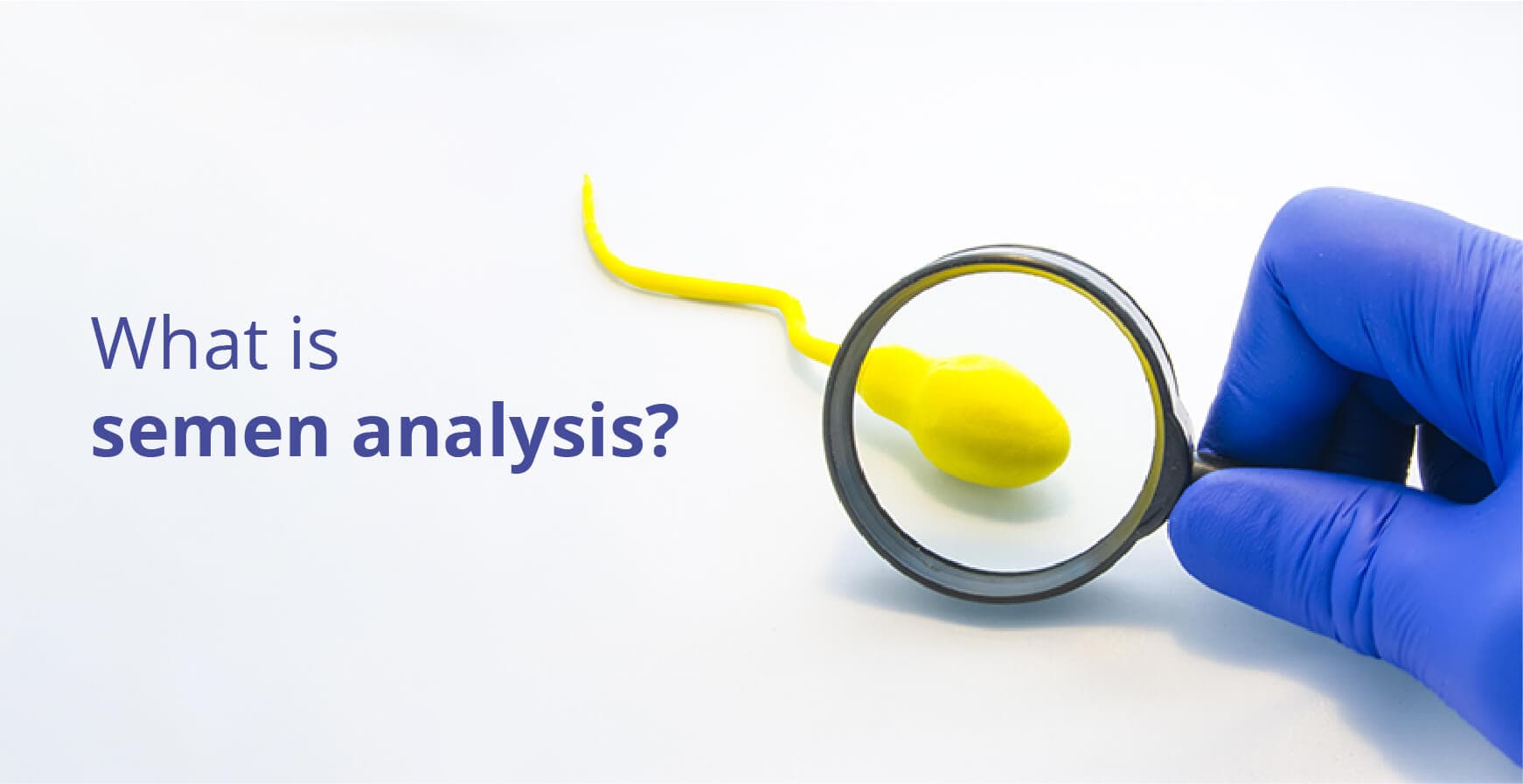
Semen Analysis Test: Normal Values, Procedure, Cost & Results

Table of Contents
- What is Semen Analysis?
- What is the Semen Analysis Test Normal Range?
- How is Semen Produced?
- Why is Semen Analysis Done?
- Preparing for a Semen Analysis
- Semen Analysis Test Procedure
- What are the Risks Related to Semen Analysis?
- What Does the Semen Analysis Report Mean?
- Semen Test Results
- What Does an Abnormal Semen Analysis Report Indicate?
- What Happens After the Test?
- How to Increase Semen Quantity Naturally
- How Much Does Semen Analysis Cost?
- Dos and Don’ts of Semen Analysis
- Treatment Options for Male Infertility
- Conclusion
- FAQs
- What is the normal sperm count to get pregnant?
- How long do sperm analysis results take?
- Can a man with zero sperm count get a woman pregnant?
- How do you know if you have good sperm?
- What time of day is sperm count highest?
- How can semen analysis be done at home?
- Is a home sperm test useful?
- What is the minimum sperm motility required for IVF?
- What if a person is hesitant to go ahead with the test?
- Can semen analysis be done after a vasectomy?
Male infertility accounts for roughly half of all infertility cases in India and yet it’s barely talked about. A lot of that comes down to stigma: the outdated idea that poor fertility somehow reflects on a man’s masculinity. That misconception alone keeps plenty of men from ever getting checked, even though something as simple as a semen analysis can point straight to the problem and open the door to effective treatment.
Worth saying plainly: infertility is a health concern, nothing more. It doesn’t define anyone’s worth or vigour. And with Assisted Reproductive Technology (ART) advancing the way it has, awareness around male infertility is finally starting to catch up today there are more diagnostic and treatment options than ever, all handled with complete confidentiality.
What is Semen Analysis?
Before getting into the test itself, it helps to understand what semen actually is.
Semen is the thick, whitish fluid released from the penis during ejaculation. It’s made up of three main components:
- Sperm
- Fluids
- Proteins, vitamins, and minerals
Sperm cells carry genetic material, and it’s their job to fertilise a mature egg that fertilisation is what starts a pregnancy. When sperm count runs low, that process can be disrupted, contributing directly to male factor infertility.
A semen analysis also called a sperm count test is a fertility test that looks at both the quantity and quality of sperm in a semen sample. It’s carried out under a high-powered microscope in a lab, where your fertility doctor examines the sample for count, motility (movement), shape, and general health.
What is the Semen Analysis Test Normal Range?
| Parameter | Normal Range |
| Volume | 1.5–6 mL per ejaculate |
| Sperm concentration (count) | 15–200 million sperm/mL (values well above 15M are common and considered healthy) |
| Total sperm count | ≥ 39 million per ejaculate |
| Motility (progressive) | ≥ 32% moving forward |
| Total motility (progressive + non-progressive) | ≥ 40% |
| Morphology (normal forms) | ≥ 4% normal shapes (strict criteria) |
| pH | 7.2–8.0 |
| Liquefaction time | ≤ 60 minutes |
| White blood cells (leukocytes) | < 1 million/mL |
| Vitality (live sperm) | ≥ 58% live |
How is Semen Produced?
The male reproductive system exists to produce, store, and transport sperm. It relies on a network of organs both inside and outside the pelvic cavity the testicles, a duct system made up of the epididymis and vas deferens, accessory glands like the seminal vesicles and prostate, and finally the penis.
Sperm production itself starts in the testicles, inside a tangle of tiny tubes called seminiferous tubules. These tubules house germ cells, which hormones testosterone chief among them gradually transform into sperm. Over time, those germ cells divide and reshape themselves until they take on the familiar tadpole shape: a head and a short tail.
From there, the tail propels the sperm into the epididymis, where they spend roughly five weeks finishing their development. Next stop is the vas deferens. When sexual stimulation occurs, the sperm mix with seminal fluid produced by the seminal vesicles and prostate gland to form semen, which is then pushed out through the urethra.
Why is Semen Analysis Done?
A doctor might recommend this test for a few different reasons:
- To check whether a man is fertile and able to father a child
- To identify sperm-related issues that could be causing infertility
- To confirm whether a vasectomy has been successful
The test itself looks at several things:
- Sperm count
- Sperm concentration (per millilitre of semen)
- Sperm motility (how well they move)
- Sperm morphology (shape and size)
- Semen volume
- Semen pH (acidity or alkalinity)
- Liquefaction time (how long it takes the semen to turn liquid after ejaculation)
Preparing for a Semen Analysis
A few things matter for accurate results:
- Avoid ejaculating for 2 to 7 days before the test your doctor will confirm the exact window.
- Wash your hands and penis thoroughly beforehand, to keep skin bacteria out of the sample.
- Urinate before collecting the sample, which lowers contamination risk.
- Use the clean container provided by your doctor.
- Skip lubricants and saliva entirely both can skew results.
- Keep the sample close to body temperature and get it to the lab within an hour of collection.
Semen Analysis Test Procedure
Here’s roughly how the process unfolds, start to finish.
Collection The sample can be collected at home or at the clinic either works, as long as you follow your doctor’s instructions and collect directly into the sterile container.
Can my partner help with collection? Yes, and it’s completely fine if that’s more comfortable for you. Just steer clear of saliva, vaginal lubrication, or any store-bought lubricant, since all of these can interfere with the results. If intercourse feels easier than the clinic’s collection room, ask about a special non-lubricated condom made for sample collection you simply transfer the sample into the sterile container afterward.
Preparation Once the lab has your sample, they’ll let it sit for 20–30 minutes to liquefy. A technician then washes the semen and places a small amount on a microscope slide.
Examination Under the microscope, the technician checks sperm count, motility, shape, semen volume, and pH. They may also look at the chemical composition and note how long liquefaction took. As part of this, a sperm wash technique is sometimes used to separate healthy, motile sperm from the rest.
Analysis of the report Once the examination wraps up, the lab compiles a detailed report. Your doctor then reviews these findings to see whether any fertility issues are present.
Why might I need to repeat the test? Sperm count and quality can shift quite a bit from one day to the next recent illness, stress, and how long it’s been since your last ejaculation all play a role. Because of that natural variation, doctors often ask for a second sample a few weeks apart before drawing firm conclusions. A single test rarely tells the whole story on its own.
What are the Risks Related to Semen Analysis?
None, really this is a safe, low-risk test with no real downside. The main thing to keep in mind is submitting your sample when you’re in reasonably good health, not while ill or under heavy stress, since both can temporarily skew results.
What Does the Semen Analysis Report Mean?
What counts as “normal” on your report depends entirely on why the test was ordered.
If it’s a post-vasectomy check, a normal result means zero sperm, or very few non-moving ones. An abnormal result, by contrast, would show higher numbers of moving or non-moving sperm.
If the test is for infertility evaluation instead, the report is built around these factors:
- pH level
- Semen volume
- Sperm concentration
- Sperm morphology
- Sperm motility
- Vitality
- White blood cells
Semen Test Results
Each of these characteristics gets measured against expected values:
- Sperm concentration per WHO guidance, at least 15 million sperm per millilitre.
- Sperm motility ideally around 50%, meaning at least half your sperm cells are actively moving.
- Sperm morphology shape and size matter too; research suggests at least 4% of sperm should show normal form.
- Semen volume you should be producing at least 1.5 millilitres per ejaculate.
- pH level semen shouldn’t run too acidic; the healthy range sits between 7.1 and 8.0.
- Liquefaction semen starts out thick and gradually turns liquid; this typically takes around 20 minutes.
- Semen fructose contributed by the seminal vesicles, fructose levels get checked specifically when no sperm are found, to help pinpoint a possible obstruction.
- Appearance normal semen looks greyish and slightly opalescent. A red tint can point to blood in the sample; a yellow tint may suggest jaundice.
What Does an Abnormal Semen Analysis Report Indicate?
An abnormal result generally points to a lower chance of achieving pregnancy with a partner though it’s worth stressing that semen analysis is only one piece of the male infertility puzzle, not the whole picture. Abnormal reports can stem from infertility itself, infection, hormonal imbalance, underlying conditions like diabetes, or genetic factors. Age and overall health also shape the results.
Depending on what shows up, your doctor may order further testing to rule in or out:
- Blockages preventing sperm from reaching the semen
- Infection
- Low sperm count
- Low testosterone
- Hormonal imbalances
- Medication side effects
If your report comes back abnormal, additional tests might include:
- Sperm antibody testing
- Sperm penetration assay
- Hemizona assay
- Cervical mucus penetration test
Causes of Abnormal Results
- Low sperm count (oligospermia): Often linked to varicocele, genetic conditions, hormonal imbalances, or long-term illness.
- No sperm (azoospermia): Can result from testicular failure, genetic disorders, or a physical obstruction somewhere in the reproductive tract.
- Low sperm motility (asthenozoospermia): Frequently tied to oxidative stress, lifestyle habits like smoking or drinking, or underlying infections.
- Abnormal sperm shape (teratozoospermia): May stem from genetic factors, toxin exposure, prolonged heat exposure, or certain medications.
- Low semen volume: Can be caused by hormonal issues, very frequent ejaculation, or a blockage in the ejaculatory duct.
- Elevated white blood cells: Usually signals inflammation or infection somewhere in the reproductive system.
- pH imbalance: May point to infection or an issue with the prostate or seminal vesicles.
- Lifestyle factors: Stress, obesity, a poor diet, and exposure to environmental pollutants can all quietly affect semen quality.
- Sexually transmitted infections: Left untreated, STDs can inflame or scar the reproductive tract, disrupting either sperm production or transport.
- History of undescended testicle: Testicles that didn’t fully descend during childhood are associated with lower sperm counts later in life, even after surgical correction.
- Epididymitis or prostatitis: Inflammation in either area usually infection-driven can interfere with sperm quality and how well it travels.
- Testosterone supplement use: Somewhat counterintuitively, taking external testosterone can signal the body to dial back its own sperm production, sometimes quite sharply.
What Happens After the Test?
Once results are in, your doctor walks you through them and outlines next steps anything from lifestyle changes to further testing to fertility treatment, depending on what’s needed.
Reviewing the report Your doctor will go over the key numbers with you count, motility, morphology, overall semen quality and explain what any irregularities actually mean, along with whether more testing makes sense.
Consultation and recommendations Depending on the findings, your doctor might suggest lifestyle adjustments, medication, or supplements to support sperm health. Where fertility challenges are evident, assisted reproductive techniques may come up, including:
- Intrauterine Insemination (IUI): Sperm is placed directly into the uterus to improve the odds of fertilisation.
- In Vitro Fertilisation (IVF): Eggs are retrieved and fertilised with sperm in a lab, then the resulting embryo is implanted.
- Intracytoplasmic Sperm Injection (ICSI): A single sperm is injected directly into an egg often used for more severe cases of male infertility.
Follow-up If treatment is recommended, your doctor may want a repeat semen analysis after a few weeks or months to track how things are progressing. Regular follow-ups make it easier to fine-tune the treatment plan and keep things moving in the right direction.
How to Increase Semen Quantity Naturally
If your results point to a low sperm count, a few lifestyle changes can Increase Semen Quantity Naturally:
- Exercise regularly around 30–40 minutes of daily activity can support healthy testosterone levels and, in turn, sperm count.
- Cut out smoking smoking is well-documented to reduce sperm count over time.
- Moderate your drinking heavy alcohol use affects sperm health; keeping it moderate helps.
- Consider fenugreek some evidence points to fenugreek supplements supporting sperm quality and count.
- Get enough vitamin D research links healthy vitamin D levels to better sperm health.
- Add more antioxidants antioxidant-rich foods help counter the cell damage linked to poor sperm production.
- Rethink your fats cut back on unhealthy fats, lean more into healthy ones.
- Eat a nutrient-dense diet folate, zinc, and a broad range of vitamins and minerals all support fertility.
How Much Does Semen Analysis Cost?
In India, a semen analysis typically runs between ₹600 and ₹1,000, though the exact price shifts based on a few factors:
- Any additional tests ordered alongside it
- The equipment and facilities at the clinic
- Location city clinics or well-known names may charge more
- The treating doctor’s expertise and reputation
Dos and Don’ts of Semen Analysis
Dos:
- Follow your doctor’s specific instructions around medication or lifestyle changes before the test.
- Stay hydrated, but go easy on caffeine and alcohol beforehand.
- Prioritise sleep and keep stress in check both influence sperm health.
- Tell the lab if you’ve recently had a fever or illness, since that can temporarily lower sperm count.
- If collecting at home, transport the sample in an insulated bag to hold the temperature steady.
Don’ts:
- Avoid hot tubs or saunas for a few days beforehand.
- Skip smoking and recreational drugs, both of which affect sperm quality.
- Hold off on intense exercise right before the test.
- Never store or transport the sample at extreme temperatures.
- Don’t put off a retest if your doctor recommends one sperm quality genuinely changes over time.
Treatment Options for Male Infertility
Surgery: Vasovasostomy (vasectomy reversal) restores blocked or damaged reproductive ducts, while varicocelectomy corrects varicoceles.
Assisted Reproduction (ART) techniques:
- IUI places treated sperm directly into the uterus.
- IVF fertilises eggs with sperm in a lab before implanting the resulting embryo.
- ICSI injects a single sperm directly into an egg particularly useful in severe male infertility cases.
Sperm retrieval techniques: For men with azoospermia, sperm can be retrieved directly from the testes or epididymis.
Conclusion
Semen analysis is a well-established diagnostic test that gives your fertility doctor a clear read on sperm quantity and quality. When a couple is struggling to conceive, this test is often the fastest way to identify and start addressing the underlying cause of male factor infertility.
FAQs
What is the normal sperm count to get pregnant?
A healthy ejaculate typically contains at least 15 million sperm per millilitre. Falling below that threshold can point to a male factor infertility issue.
How long do sperm analysis results take?
Usually just a few days. You may be asked for more than one sample, since sperm count naturally fluctuates and a single reading doesn’t always tell the full story.
Can a man with zero sperm count get a woman pregnant?
Yes, with the right support. Men with zero sperm count can pursue fertility treatments and ART methods including hormone-based medication or surgical sperm retrieval to help achieve a pregnancy.
How do you know if you have good sperm?
Broadly, a sperm count around 15 million or more per millilitre, paired with healthy motility and roughly 50% normal morphology, is considered a good sign.
What time of day is sperm count highest?
Typically in the morning, thanks to a longer stretch of abstinence overnight.
How can semen analysis be done at home?
At-home kits can give you a rough read on sperm count and motility, and they appeal to men who’d rather skip an initial clinic visit. That said, they fall short in one important way they generally can’t assess morphology, vitality, or signs of infection, all of which matter for a complete fertility picture. Think of a home kit as a first signal rather than a diagnosis, and follow up with a lab-based test rather than delaying one based on a home result.
Is a home sperm test useful?
Yes, to a point it can be a helpful starting signal for some men. But the results are limited compared to a proper lab test, which offers a far more detailed diagnosis and gets closer to the actual root cause.
What is the minimum sperm motility required for IVF?
Pregnancies can happen with lower numbers, but IVF or insemination therapy generally calls for at least 10 × 10⁶ sperm/mL, with roughly 30% motile and 15% showing progressive motility. Around 20% should also display normal shape and size.
What if a person is hesitant to go ahead with the test?
Talk it through openly with your fertility specialist and share exactly what’s holding you back. It genuinely matters to complete the test, since it’s often the fastest route to identifying sperm-related causes of infertility.
Can semen analysis be done after a vasectomy?
Yes it’s routine practice. Most doctors schedule the first post-vasectomy check around 8 to 12 weeks after the procedure, since it takes time and several ejaculations to clear any remaining sperm. Until a test confirms zero or near-zero sperm sometimes across two separate checks it’s important to keep using backup contraception, since the vasectomy isn’t considered fully effective until then.
Our Fertility Specialists
To know more
Birla Fertility & IVF aims at transforming the future of fertility globally, through outstanding clinical outcomes, research, innovation and compassionate care.


Had an IVF Failure?
Talk to our fertility experts