
 Our Centers
 Select City


 Select City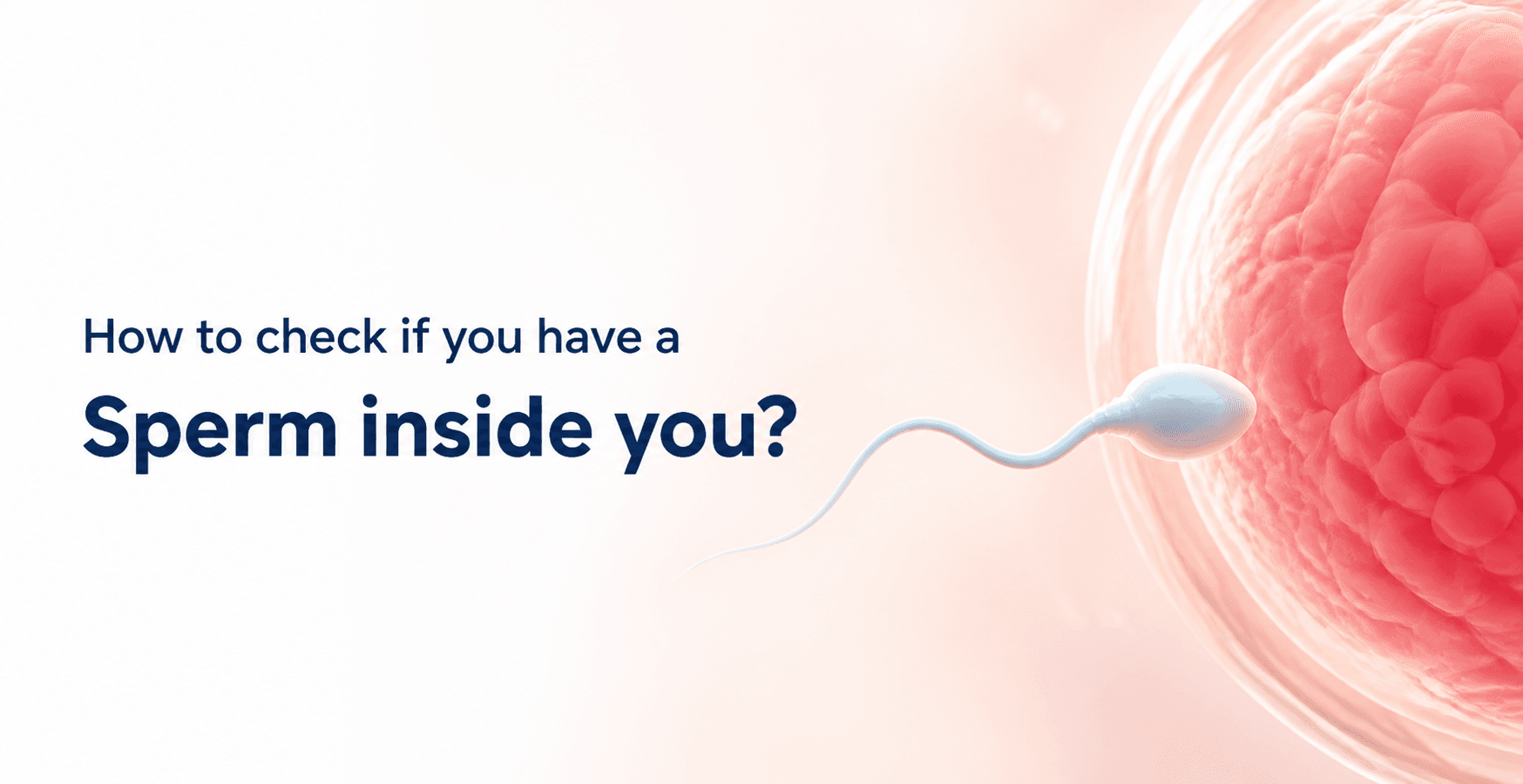
How to Know If Sperm Went Inside, Fertilisation Occurred, & Pregnancy Testing

Table of Contents
- What is Sperm and How Does It Travel?
- Can You Tell If Sperm Has Entered Your Body?
- Understanding Semen Leakage
- Ejaculation Types & Withdrawal Method
- What Happens If Semen Is Released Inside the Vagina?
- Can Pregnancy Happen If Sperm Was Not Released Fully Inside?
- Can Sperm Enter If a Man Pulls Out Before Ejaculation?
- Can Pre-Ejaculate Cause Pregnancy?
- How Long Can Sperm Survive Inside the Female Body?
- How Long Does It Take for Sperm to Fertilise an Egg?
- Does Urinating After Sex Remove Sperm?
- How to Know If Fertilisation Has Occurred & Pregnancy Testing
- What Should You Do After Unprotected Sex If You Do Not Want Pregnancy?
- How to Increase the Chances of Conception
- Medical and Assisted Reproductive Techniques
- When to Seek Medical Advice & Fertility Testing
- Additional Considerations for Couples Trying to Conceive
- Myths, Misconceptions, and Facts
- Frequently Asked Questions (FAQs)
- Can I know the next day if sperm went inside?
- Can you feel sperm entering your body?
- Does semen coming out after sex mean pregnancy cannot happen?
- Can pre-ejaculate fluid cause pregnancy?
- How long can sperm survive inside the female body?
- When should I take a pregnancy test after sex?
- What should I do if I do not want to become pregnant after unprotected sex?
When you’re trying to conceive, every little detail matters. Although sperm-carrying fluid, known as semen, can be felt entering the vagina after ejaculation, it is impossible to determine whether sperm cells have reached the fallopian tubes, where conception usually takes place.
If you don’t maintain the right position after sex, semen may leak out, even if it has already entered your body. Even so, the only way to know if sperm have reached their destination is when conception takes place and pregnancy symptoms appear. This blog talks about everything–starting from how sperm enters the female body, to how you can increase the chances of sperm entering the body.
What is Sperm and How Does It Travel?
What is a Sperm?
The male reproductive cells that are essential to fertilisation are called sperm, or spermatozoa. The testicles produce these tiny, tadpole-shaped cells, which contain half of the genetic material required to create a new life. Millions of sperm are released into the female reproductive system when a man ejaculates, and they start their journey in the direction of the egg.
Primary Components of Sperm:
- The Head: Home to the enzymes and genetic material (DNA) required for fertilisation.
- The Midpiece: Houses the mitochondria that give the sperm energy to move.
- The Tail: Allows the sperm to swim in the direction of the egg.
How Does a Sperm Travel?
Sperm must pass via the uterus, fallopian tubes, and cervix after being ejaculated into the vagina in order to reach the egg. The vagina’s acidic environment and the reproductive tract’s constricted passageways are only two of the challenges sperm must overcome on this difficult voyage. Of the sperm discharged during ejaculation, only a small percentage will reach the egg, and even fewer will be able to fertilise it.
Can You Tell If Sperm Has Entered Your Body?
If you’re trying to conceive, then it is normal to be curious to know whether the sperm has entered your body or not. Here are some ways to get an idea. They are not definite, but can give you a fair idea:
Indicators of Sperm Entry
- Sexual Encounter Circumstances: If you are having unprotected sex, and the man ejaculates inside the vagina, then there is a high likelihood that sperm has entered your body. In some cases, even if the man does not ejaculate inside the vagina, there is a risk of getting pregnant due to the pre-ejaculation fluid.
- Traces of Sperm in the Vagina: Semen may be visible close to the vaginal region following sexual activity. Sperm and other seminal fluids are found in the white, sticky substance known as semen. It’s obvious that sperm have entered the body if you see semen oozing from the vagina. Remember that the fluid discharged prior to ejaculation, known as pre-ejaculate fluid, can also contain sperm and result in pregnancy.
- Changes in Vaginal Discharge: Many women notice a slight change in the vaginal discharge post intercourse. You will find a whitish or cloudy fluid leaking from the vagina, often mixed with natural vaginal secretions. This suggests that sperm has entered the body.
- Physical Sensation: Women might also feel a sense of wetness or leakage soon after sex. It is because semen naturally flows back out of the vagina.
Understanding Semen Leakage
How to Tell if Sperm Has Leaked Out?
After sexual activity, some semen may naturally flow out of the vagina. Soon after sex, or even a few hours later, you might see a white or hazy fluid leaking out. This occurs because not all of the sperm and fluids that make up semen remain inside. Millions of sperm begin swimming toward the cervix as soon as ejaculation occurs; so leakage does not mean sperm failed to enter. Pregnancy is still possible even if some fluid is expelled. If the discharge is uncomfortable, it can be managed by washing up or using a panty liner.
What Does Semen Look Like When It Comes Out of the Vagina the Next Day?
It is common for some semen to leak out of the vagina soon after sex or even several hours later. The fluid may look white, cloudy, clear, or slightly watery because it can mix with natural vaginal discharge. Semen leakage does not mean that all sperm have left the body or that pregnancy is impossible. Sperm can begin moving through the cervix shortly after ejaculation. If the discharge has a strong odour, causes itching or burning, or is accompanied by pelvic pain, speak with a healthcare professional.
Does Semen Leaking Out After Sex Reduce the Chance of Pregnancy?
Seeing semen leak out after sex is normal and does not reliably show whether pregnancy can or cannot happen. The liquid portion of semen may flow back out, while sperm that have entered the cervical mucus may continue moving through the reproductive tract. You do not need to lie down in a particular position after sex to make conception happen. If you are trying to conceive, having sex during the fertile window is more important than the position used after intercourse.
Ejaculation Types & Withdrawal Method
What Happens If Semen Is Released Inside the Vagina?
When ejaculation occurs inside the vagina, semen contains millions of sperm cells. Some sperm can move through the cervix, into the uterus, and towards the fallopian tubes. Pregnancy can occur if a sperm fertilises an egg during the fertile window. Sperm can survive in the female reproductive tract for up to five days. An egg can usually survive for about 12 to 24 hours after ovulation. This means pregnancy may be possible after sex in the days leading up to ovulation, not only on the day of ovulation.
Can Pregnancy Happen If Sperm Was Not Released Fully Inside?
Pregnancy can still be possible if semen comes into contact with or near the vaginal opening. Although the chance may be lower than with ejaculation inside the vagina, it is not zero. Withdrawal is not a fully reliable way to prevent pregnancy. Pre-ejaculate fluid may sometimes contain sperm, especially if sperm remains in the urethra after a previous ejaculation. If pregnancy is not desired, use a reliable method of contraception.
Can Sperm Enter If a Man Pulls Out Before Ejaculation?
The pull-out method, also known as withdrawal, is a form of birth control where the man removes his penis from the vagina before ejaculation. While this method can reduce the risk of pregnancy, it is not entirely reliable. There are two main reasons why sperm can still enter the body even if the man pulls out before ejaculation:
- Premature Ejaculation: If the man does not withdraw his penis in time, ejaculation may occur inside the vagina, allowing sperm to enter the body.
- Pre-Ejaculate Fluid: Before ejaculation, the penis releases a small amount of pre-cum, which can contain sperm. This means that even if the man pulls out before ejaculation, there is still a risk of sperm entering the body.
Can Pre-Ejaculate Cause Pregnancy?
Yes, pregnancy is possible from pre-ejaculate, also called pre-cum, although the risk is generally lower than when semen is ejaculated inside the vagina.
Pre-ejaculate is released before ejaculation and usually does not contain sperm itself. However, it can sometimes contain sperm, particularly if sperm remains in the urethra from a previous ejaculation.
Because it is not possible to know whether pre-ejaculate contains sperm, relying only on the withdrawal method does not completely prevent pregnancy. If you do not want to become pregnant, using a reliable contraceptive method is a safer option.
How Long Can Sperm Survive Inside the Female Body?
Sperm can survive inside the female reproductive tract for up to about 5 days when the conditions are favourable, particularly around ovulation. This is why pregnancy can occur even when intercourse happens several days before ovulation.
Once sperm enters the reproductive tract, it may travel through the cervix and uterus toward the fallopian tubes. Most sperm do not survive for long, but a small number may remain viable for several days when cervical mucus provides a suitable environment.
This means that pregnancy is possible from sex that happens a few days before ovulation, not only on the day of ovulation.
How Long Does It Take for Sperm to Fertilise an Egg?
After ejaculation, sperm begin moving through the vagina, cervix and uterus toward the fallopian tubes, where fertilisation can take place. Some sperm can reach the fallopian tubes within minutes, but fertilisation does not necessarily happen immediately.
If an egg has already been released during ovulation, a sperm may fertilise it soon after reaching the fallopian tube. The egg remains available for fertilisation for around 12–24 hours after ovulation. Therefore, the exact time between sex and fertilisation can vary depending on when ovulation occurs.
It is also important to remember that sperm reaching the egg does not always result in fertilisation. Several factors, including sperm health, egg quality and the timing of intercourse, can affect whether fertilisation occurs.
Does Urinating After Sex Remove Sperm?
No. Urinating after sex does not remove sperm from the vagina or prevent pregnancy. Urine passes through the urethra, which is a different opening from the vagina.
Some semen may naturally leak out of the vagina after sex, but this does not mean that all sperm have been removed. Sperm can begin moving through the cervix shortly after ejaculation.
Urinating after sex can still be part of good personal hygiene and may help some people reduce the risk of urinary tract infections, but it should not be considered a method of contraception.
How to Know If Fertilisation Has Occurred & Pregnancy Testing
If sperm has successfully gone inside and fertilised the egg, you may start experiencing pregnancy symptoms. These symptoms usually appear within a few weeks of conception:
Early Symptoms of Conception & Fertilisation
- Changes in vaginal discharge: Some women notice an increase in clear or milky discharge. This happens due to a hormonal shift after conception. It is harmless and helps protect the uterus from facing issues due to infection.
- Spotting: Some women experience light spotting after conception. It is also known as implantation bleeding, which usually occurs when the fertilised egg attaches itself to the uterus lining. It usually happens before your normal days of menstruation.
- Sore or tender breasts: Hormonal changes during early pregnancy can cause breast tenderness or swelling.
- Nausea: Morning sickness, which can occur at any time of the day, is another indicator of pregnancy. It happens because there is an increase in pregnancy hormones, for example, HCG.
- Heightened sense of smell: It is also said that women are sensitive towards certain types of smells.
- Fatigue: Feeling unusually tired or exhausted is a common early sign of pregnancy.
- Pregnancy Tests: There are some home urine tests that can help you determine if you’re pregnant or not.
- Missed Period: A delayed or missed menstrual period is often the first noticeable sign of pregnancy.
Medical Confirmation Methods
There are several medical methods available to confirm whether sperm went inside and if fertilisation has occurred:
| Method | Description |
| Post-coital testing | This test involves examining cervical mucus under a microscope after sexual intercourse to check for the presence of sperm. |
| Basal body temperature tracking | By tracking your basal body temperature daily, you can identify ovulation and determine if sperm has entered the body during your fertile window. |
| Pregnancy testing | Home pregnancy tests or blood tests performed by a healthcare provider can detect the presence of the hormone human chorionic gonadotropin (hCG), which is produced after successful implantation of a fertilised egg. |
When Should You Take a Pregnancy Test After Unprotected Sex?
Take a home pregnancy test from the first day of a missed period. If you do not know when your period is due, take the test at least 21 days after the last unprotected sex.
If the test is negative but your period does not arrive, repeat the test after a few days or speak with a healthcare professional. Seek urgent medical care if you have a positive pregnancy test with severe one-sided lower abdominal pain, shoulder pain, heavy bleeding, dizziness, or fainting.
What Should You Do After Unprotected Sex If You Do Not Want Pregnancy?
If you had unprotected sex or contraception failed and you do not want to become pregnant, seek advice as soon as possible. Emergency contraception works best when used promptly.
Emergency Contraception Options Include:
- Levonorgestrel emergency contraceptive pill: Should be taken within 72 hours.
- Ulipristal acetate emergency contraceptive pill: Should be taken within 120 hours.
- Copper intrauterine device: Can be inserted within 120 hours and is the most effective emergency contraception option.
The suitable option depends on timing, medical history, current medicines, body weight, breastfeeding status, and other factors. Consult a doctor, pharmacist, or sexual-health professional promptly.
Quick Fact! Emergency contraception pills, often called “morning-after pills”, work best when taken within 72 hours of unprotected sex but remain effective for up to five days. Remember, their efficacy declines over time.
How to Increase the Chances of Conception
If you are trying to conceive, there are several strategies you can employ to improve the chances of sperm successfully entering the body and reaching the egg:
Strategies to Improve Chances
- Timing intercourse with ovulation: By identifying your fertile window through methods like basal body temperature tracking, cervical mucus monitoring, or using ovulation predictor kits, you can time sexual activity to coincide with your most fertile days.
- Ejaculating deeply inside the vagina: Depositing semen close to the cervix can help sperm travel more easily through the reproductive tract.
- Maintaining a supine position post-ejaculation: Lying down for 15-30 minutes after sexual intercourse can help prevent semen from leaking out of the vagina and increase the chances of sperm reaching the egg.
- Avoiding vaginal washing or douching: Douching or washing the vagina immediately after sex can alter the vaginal pH and remove semen, reducing the chances of successful sperm entry.
Signs of Ovulation
Recognising when ovulation occurs can be essential for those trying to conceive or wanting to understand their reproductive health better. During ovulation, the body undergoes hormonal changes that can result in observable symptoms:
- Changes in Cervical Mucus: Around ovulation, cervical mucus becomes clear, elastic, and slippery, similar to raw egg whites. This type of mucus is more conducive to sperm survival and motility.
- Mild Cramps: Some women experience mild cramps or twinges in the lower abdomen during ovulation, which may indicate that an egg has been released.
- Spotting: Light spotting or bleeding can occur when the egg is released from the ovary, signaling that ovulation has taken place.
- Basal Body Temperature: Your basal body temperature increases slightly (by about 0.5 to 1°F) after ovulation due to increased progesterone levels. Tracking your temperature daily can help identify this pattern over time.
Medical and Assisted Reproductive Techniques
Medical procedures like Intracytoplasmic sperm injection (ICSI) and In vitro fertilisation (IVF) can help couples who are having trouble conceiving by guaranteeing sperm entrance and fertilisation in a controlled laboratory environment. IVF involves taking eggs out of the woman’s ovaries and fertilising them in a petri dish with sperm. To aid in fertilisation, a single sperm is directly inserted into each egg during ICSI. These methods increase the likelihood of successful fertilisation by avoiding the natural obstacles sperm encounter when entering the female body.
When to Seek Medical Advice & Fertility Testing
It’s critical to acknowledge that each person’s biology is different and that visible symptoms associated with sperm entrance and fertilisation might vary. Different women may experience different signs and symptoms due to hormonal changes, irregular menstrual cycles, and other biological variables. This information is crucial for determining any obstacles, particularly while trying to have a child.
Seeking Medical Advice
If you have been trying to conceive for more than a year (or 6 months if over 35), it’s essential to consult a healthcare provider for personalised advice on fertility and conception. They may recommend fertility testing and evaluation to identify any underlying issues and guide your conception efforts.
| Test | Purpose |
| Semen analysis | Assesses sperm count, motility, and morphology |
| Ovarian reserve testing | Evaluates the quantity and quality of eggs |
| Hysterosalpingography (HSG) | Checks for blockages in the fallopian tubes |
| Laparoscopy | Examines the reproductive organs for abnormalities |
Additional Considerations for Couples Trying to Conceive
When trying to conceive, it’s essential to focus on overall health and well-being. Consider the following lifestyle factors that can impact fertility:
- Maintaining a healthy weight
- Eating a balanced, nutrient-rich diet
- Exercising regularly
- Managing stress levels
- Avoiding smoking, excessive alcohol consumption, and illicit drugs
The psychological aspects of trying to conceive should not be overlooked. Seeking mental health support, joining fertility support groups, and openly communicating with your partner can help you navigate the emotional challenges of this journey.
Myths, Misconceptions, and Facts
Myth Buster! It’s a widespread myth that you can instantly feel sperm entering your body after intercourse. However, this is not true. Immediate physical sensations cannot confirm sperm presence as no such symptoms exist. Medical tests, like pregnancy tests or semen analysis, are necessary for confirmation.
- Myth: Having intercourse when on your period prevents you from becoming pregnant. Fact: If ovulation happens early or sperm survive in the reproductive canal until the viable window, it is still possible to conceive during menstruation, although the chances of getting pregnant are comparatively less.
- Myth: Lying down or adopting specific postures after intercourse can raise the risk of becoming pregnant. Fact: The posture itself has no bearing on the chance of conception, even though certain positions may make it easier for sperm to enter. No matter where they are, sperm can reach the cervix in a matter of minutes.
Frequently Asked Questions (FAQs)
Can I know the next day if sperm went inside?
No. You cannot confirm sperm entry, sperm movement, or fertilisation by checking the next day. Semen leakage, wetness, and discharge do not give a definite answer.
Can you feel sperm entering your body?
No. You may feel wetness after sex, but you cannot feel sperm cells entering or moving inside the reproductive tract.
Does semen coming out after sex mean pregnancy cannot happen?
No. Semen leakage after sex is common and does not mean pregnancy is impossible.
Can pre-ejaculate fluid cause pregnancy?
Pregnancy is possible if pre-ejaculate fluid containing sperm enters or comes near the vagina. Withdrawal should not be relied on as the only method of pregnancy prevention.
How long can sperm survive inside the female body?
Sperm can survive for up to five days in the female reproductive tract under favourable conditions.
When should I take a pregnancy test after sex?
Take a test from the first day of a missed period. If you do not know when your period is due, test at least 21 days after unprotected sex.
What should I do if I do not want to become pregnant after unprotected sex?
Seek emergency contraception advice as soon as possible. Available methods have different time limits, ranging from three to five days after sex.
Our Fertility Specialists
To know more
Birla Fertility & IVF aims at transforming the future of fertility globally, through outstanding clinical outcomes, research, innovation and compassionate care.


Had an IVF Failure?
Talk to our fertility experts