
 Our Centers


IVF Treatment in India
For many couples, dealing with infertility can be difficult and emotionally taxing. However, with advances in modern medicine, in vitro fertilization (or IVF treatment) has become an effective fertility treatment option. At Birla Fertility & IVF, our specialists assess your case in depth and create a personalised IVF treatment plan using advanced protocols. Thousands of couples have taken the first step with us to start their parenthood journey.
 140K+ Cycles
 120+ Experts
 Free Cab Facility
 No-Cost EMI
 Insurance Support
 50+ Clinics Across India
Book a Free Consultation Today!

140K+ Cycles
120+ Experts
Free Cab Facility
No-Cost EMI
Insurance Support
50+ Clinics Across India
- What is IVF Treatment?
- When is it Recommended / to Whom is it Recommended?
- Success rate of IVF in India
- Difference Between IVF and IUI
- IVF Cost in India
- How to Prepare for IVF Treatment
- What to Expect After IVF Treatment?
- Benefits of IVF Treatment
- How to Increase IVF Success Rate
- IVF Risk and Complications
- Case Study - IVF
- What Makes Birla Fertility & IVF Different from Other Clinics in India?
- Step-by-Step IVF Procedure
- IVF Treatment Cost & Pricing Transparency
- 50+Clinics Across 38 Cities
- Our Medical Expert
- Why Choose us
- What Our Patients Say
- Latest Blogs
What is IVF Treatment?
The full form of IVF is “In Vitro Fertilisation”. It is a type of assisted reproductive technology (ART) where eggs are retrieved from a woman’s ovaries and fertilised by sperm in a laboratory. The resulting embryo or embryos are then cultured for a few days before they are transferred back into a woman’s uterus. Post successful implantation, in most cases, they develop into a successful pregnancy. It is a multi-step process designed to overcome various barriers to natural conception, offering a chance for pregnancy when other methods have failed.
When is it Recommended / to Whom is it Recommended?
IVF is recommended for couples who face difficulties in conceiving naturally or when other fertility treatments such as IUI, ICSI, or ovulation induction have not been successful. It is often advised in cases where specific medical conditions affect the chances of pregnancy, including endometriosis, blocked fallopian tubes, low ovarian reserve, polycystic ovary syndrome (PCOS), thyroid disorders, and male infertility. A fertility specialist typically recommends IVF after evaluating the couple’s medical history, fertility tests, and previous treatments.
Here are some conditions where IVF may be recommended:
- Blocked or damaged fallopian tubes: A condition in which the egg and sperm cannot meet naturally due to blockage.
- Male infertility: If the male partner has issues such as low sperm count or poor sperm motility, IVF may be recommended.
- Endometriosis: A condition where tissue similar to the uterine lining grows outside the uterus, affecting reproductive organs and fertility.
- Unexplained infertility: When the exact cause of infertility cannot be identified.
- Advanced maternal age: Women over 35 may experience reduced egg quality and fertility, making IVF a suitable option.
Success rate of IVF in India
IVF outcomes can vary from person to person. It depends on several factors, such as a woman’s age, egg and sperm quality, underlying fertility conditions, lifestyle factors, and the experience of the fertility clinic. However, among all factors, the IVF treatment success rate in India largely depends on the woman's age. This is because, with increasing age, egg quality and quantity decrease, which affects fertilisation and embryo development. The table below highlights how success rates can vary across different age groups.
| Age of the Women | Average IVF Success Rate (Per Cycle) |
|---|---|
| Below 35 years | 50-60% per cycle |
| 35-37 years | 40-50% per cycle |
| 38-40 years | 25-35% per cycle |
| Above 40 years | <10% per cycle |
Difference Between IVF and IUI
The main difference between IUI (Intrauterine Insemination) and IVF (In Vitro Fertilisation) lies in the procedure and complexity of treatment. In IUI, sperm is placed directly inside the uterus during ovulation, which helps increase the chances of fertilisation. It is a simple, minimally invasive procedure where fertilisation happens naturally inside the body. IVF, on the other hand, is a more advanced fertility treatment in which eggs are retrieved from the ovaries, fertilised with sperm in a lab, and then the embryo is transferred to the uterus. When we talk about the cost, IUI is generally more affordable and is often recommended for couples who have mild infertility issues, ovulation problems, or unexplained infertility. IVF is comparatively more expensive than IUI because it involves advanced laboratory procedures and multiple steps. It is usually recommended in cases of blocked fallopian tubes, severe male infertility, multiple failed IUI attempts, or advanced maternal age. Additionally, IUI treatment is usually completed within one menstrual cycle, whereas IVF may take longer due to the various stages involved in the process.
IVF Cost in India
The projected cost of additional procedures that may be required during IVF treatment is outlined below:
- Blastocyst Culture – This process allows embryos to develop for 5 days before transfer, improving the chances of success. The cost is approximately ₹15,000.
- Laser-Assisted Hatching – This technique helps the embryo hatch and implant in the uterus more easily. The cost is approximately ₹15,000.
- Preimplantation Genetic Testing
- Sperm Retrieval Techniques (TESA/PESA) – Recommended for men with little or no sperm in semen. Sperm are retrieved directly from the testicles or epididymis. The cost is approximately ₹30,000.
- Donor Egg – Suitable for women with low ovarian reserve or poor egg quality. The cost typically ranges from ₹85,000 to ₹10,00,000.
- Donor Sperm – Recommended in cases of severe male infertility or genetic concerns. The cost is approximately ₹20,000.
We understand that IVF is a deeply personal and emotional journey, and financial stress should not be a barrier. That is why we offer easy EMI options with 0% interest to make treatment more accessible. Our dedicated financial advisors work closely with you to create customised payment plans aligned with your needs, ensuring complete transparency with no hidden costs.
How to Prepare for IVF Treatment
Before undergoing IVF treatment in Delhi, both partners need to be physically and emotionally prepared:
- Medical Evaluation: Your treatment will begin with a detailed assessment, during which both male and female partners will be checked. The female may have to take blood tests, hormone evaluations, and ultrasounds. The male partner is advised to take a semen analysis. These tests help develop a treatment plan tailored to your specific needs.
- Lifestyle Changes: Before the treatment starts, it is recommended to quit smoking and excessive drinking, as they can adversely affect egg and sperm quality. Both partners should follow a balanced diet; women should include foods rich in folic acid, iron, and calcium, while men should include zinc, selenium, and antioxidants.
- Physical Fitness: Engage in light to moderate exercise. Walking and yoga are good ways for women to improve blood flow and reduce stress. Maintaining an active lifestyle can help men maintain healthy testosterone levels and overall health.
- Medication Adherence: Women must strictly follow prescribed hormone medications to stimulate egg production. Any supplements or medications for the male partner should also be taken as directed.
- Partner Support: IVF can be emotionally intense. Emotional support, shared responsibilities, and open communication between partners can make the journey less stressful and more manageable.
What to Expect After IVF Treatment?
After embryo transfer, the body begins to adjust to hormonal changes as it prepares for possible implantation. Here are some of the mild physical and emotional changes that one can notice:
- Mild Cramping - Women might experience light abdominal cramps, bloating, or a feeling of fullness.
- Spotting or Light Bleeding - Some women may experience light spotting, also called implantation bleeding.
- Breast Tenderness - Hormone supplements like progesterone can cause breast soreness, tiredness, or mild mood changes.
- Nausea - Women may experience symptoms like nausea or frequent urination.
- Hormone Support - Doctors may prescribe progesterone or other medications to support implantation and early pregnancy.
- Rest and Lifestyle Care - Maintaining a light routine, staying hydrated, eating a balanced diet, and avoiding strenuous physical activity is recommended.
Benefits of IVF Treatment
- Higher chances of pregnancy - IVF can greatly increase the likelihood of conception, particularly for couples who have fertility issues.
- Helps overcome multiple infertility causes - IVF can treat a number of fertility issues, including endometriosis, blocked fallopian tubes, low ovarian reserve, polycystic ovary syndrome, thyroid disorders, and male infertility.
- Helps in situations of male infertility - With advanced reproductive methods like ICSI (Intracytoplasmic Sperm Injection), parenthood is possible even in cases of severe male infertility. ICSI improves the chances of fertilization by injecting a single healthy sperm directly into the egg.
- Improved management of fertilization - Doctors can closely monitor embryo development because fertilization occurs in a controlled laboratory setting.
- Flexibility in family planning - IVF helps couples plan for a future baby by enabling options like egg and embryo freezing.
- Reduced risk of genetic disorders - IVF allows the use of advanced techniques like Preimplantation Genetic Testing (PGT) to screen embryos for genetic abnormalities, reducing the risk of inherited conditions like Down syndrome.
How to Increase IVF Success Rate
- Having a Balanced Diet - Eating wholesome, nourishing food supports ovulation, nourishes the uterus, slows egg deterioration, and helps maintain healthy reproductive hormones, increasing the chances of conception.
- Adding Food That Help Sperms - The following foods support male reproductive health by improving sperm quality, motility, and overall fertility:
- Eggs (Hens)
- Pumpkin seeds, walnuts, fava beans, red beans, and soybeans
- Garlic, meat, oysters, and tomatoes
- Pomegranate and banana
- Berries like blueberries, blackberries, raspberries, and strawberries
- Coconut
- Weight Control & Regular Exercise - Maintaining a healthy BMI is essential, as both overweight and underweight conditions can negatively affect fertility.
- Limit Caffeine Consumption - Doctors recommend limiting intake to one or two cups of coffee per day, as excessive caffeine may reduce pregnancy chances.
- Avoid Smoking & Alcohol Consumption - These habits reduce fertility, damage sperm DNA, and lower IVF success rates.
- Get Sufficient Sleep - Aim for 7–8 hours of sleep daily. Avoid caffeine before bedtime and late meals to support hormonal balance and overall reproductive health.
IVF Risk and Complications
Ovarian hyperstimulation syndrome (OHSS)
When injectable fertility medications like HCG are used to produce numerous eggs, the syndrome known as OHSS is created. Bloating, nausea, abdominal pain, and weight gain are a few symptoms. OHSS varies in severity; minor symptoms may resolve in 2 to 3 days, while more severe symptoms may necessitate hospitalization and drainage of the collected fluid (ascites). OHSS symptoms usually last a week.
Bleeding during your egg retrieval (ER)
The bleeding can be stopped with simple pressure and doesn't require further care. A blood vessel puncture (a needle hitting the vaginal wall during egg collection). This can also be the cause of hemorrhage.
Infections
Infections can occur where there is a risk of introducing pathogens or bacteria. This can happen during the procedure where the needle is inserted. There are several ways to combat this. One example is to provide you or your partner with prophylactic antibiotics during the egg retrieval to prevent such infections.
Ovarian torsion
This is an uncommon yet dangerous adverse effect. When the ovary or fallopian tube twists around its supporting tissue, the blood supply to the ovary is cut off, a condition known as ovarian torsion. When ovarian instability is present, this disease develops. For instance, the ovary is oversized and susceptible to torsion due to masses on it. In such cases, one should consult their healthcare providers immediately.
If this were to happen, it would need to be fixed surgically right away. There is a good chance of full recovery if treatment is received promptly and properly. Ovarian torsion manifests as sudden, severe discomfort, nausea, or vomiting.
Ectopic Pregnancy
When the embryo develops outside the uterus, typically in the fallopian tubes, it results in an ectopic pregnancy. A malformed or irritated fallopian tube is the source of this. If you experience this risk, seek medical help right away to prevent potentially fatal symptoms.
Multiple Pregnancy
There is a risk of multiple pregnancies when more than one embryo is implanted in the uterus. While this is something desired for at times, multiple pregnancies may increase the risk of complications such as premature birth or low birth weight, among others. To reduce this risk, fertility specialists recommend single embryo transfer (SET) depending on the patient’s age, embryo quality, and medical history.
Miscarraige
The risk of miscarriage in IVF pregnancies is similar to that of natural pregnancies and is often influenced by factors such as maternal age, embryo quality, and underlying health conditions. Most miscarriages happen due to chromosomal abnormalities in the embryo, which prevent normal development.
Case Study - IVF
- Against the Odds: A Remarkable IVF Success Story When multiple medical challenges stood in the way of parenthood, advanced IVF care helped rewrite the couple’s journey. Read the full case study here:
- When Multiple Health Challenges Didn’t Stop Motherhood A 33-year-old patient facing PCOS, diabetes, and a rare uterine condition overcame complex fertility barriers with personalised IVF care.
What Makes Birla Fertility & IVF Different from Other Clinics in India?
Best-in-Class IVF Success Rates
With our advanced labs, strict ART protocols, and state-of-the-art equipment, we guarantee accuracy at every stage of your IVF journey. To increase your chances of becoming pregnant, our entire team of specialists, embryologists, and caregivers adheres to stringent procedures.Expert Care From Fertility Specialists
Our centres are led by experienced fertility specialists committed to providing evidence-based, personalised care. By understanding each couple’s unique fertility journey, we design treatment plans tailored to their needs. Over the years, we have supported and impacted more than a million lives on the path to parenthood.Transparent & Affordable Payment Choices
We offer affordable pricing with easy EMI options, so couples do not have to carry any financial burden as they embark on their parenthood journey. We guarantee complete transparency from the initial consultation to the end of treatment.Comprehensive and Caring Assistance
Our fertility specialists focus on holistic care, including counselling, and offer post-treatment follow-ups, emotional support, and wellness advice to make you feel taken care of throughout your reproductive journey.Step-by-Step IVF Procedure
IVF Treatment Cost & Pricing Transparency
Lowest
₹1,71,100
per cycle
Average
₹1,80,550
per cycle
Max
₹1,90,000
per cycle
The projected cost of additional procedures that may be required during IVF treatment is outlined below:
- Blastocyst Culture – This process allows embryos to develop for 5 days before transfer, improving the chances of success. The cost is approximately ₹15,000.
- Laser-Assisted Hatching – This technique helps the embryo hatch and implant in the uterus more easily. The cost is approximately ₹15,000.
- Preimplantation Genetic Testing
- Sperm Retrieval Techniques (TESA/PESA) – Recommended for men with little or no sperm in semen. Sperm are retrieved directly from the testicles or epididymis. The cost is approximately ₹30,000.
- Donor Egg – Suitable for women with low ovarian reserve or poor egg quality. The cost typically ranges from ₹85,000 to ₹10,00,000.
- Donor Sperm – Recommended in cases of severe male infertility or genetic concerns. The cost is approximately ₹20,000.
We understand that IVF is a deeply personal and emotional journey, and financial stress should not be a barrier. That is why we offer easy EMI options with 0% interest to make treatment more accessible. Our dedicated financial advisors work closely with you to create customised payment plans aligned with your needs, ensuring complete transparency with no hidden costs.
-
 Lorem ipsum dolor sit amet, consectetur
 - Lorem ipsum dolor sit amet, consectetur
- Lorem ipsum dolor sit amet, consectetur
- Lorem ipsum dolor sit amet, consectetur
- Lorem ipsum dolor sit amet, consectetur
50+Clinics Across 38 Cities
Our Medical Expert


Gurgaon – Sector 14, Haryana
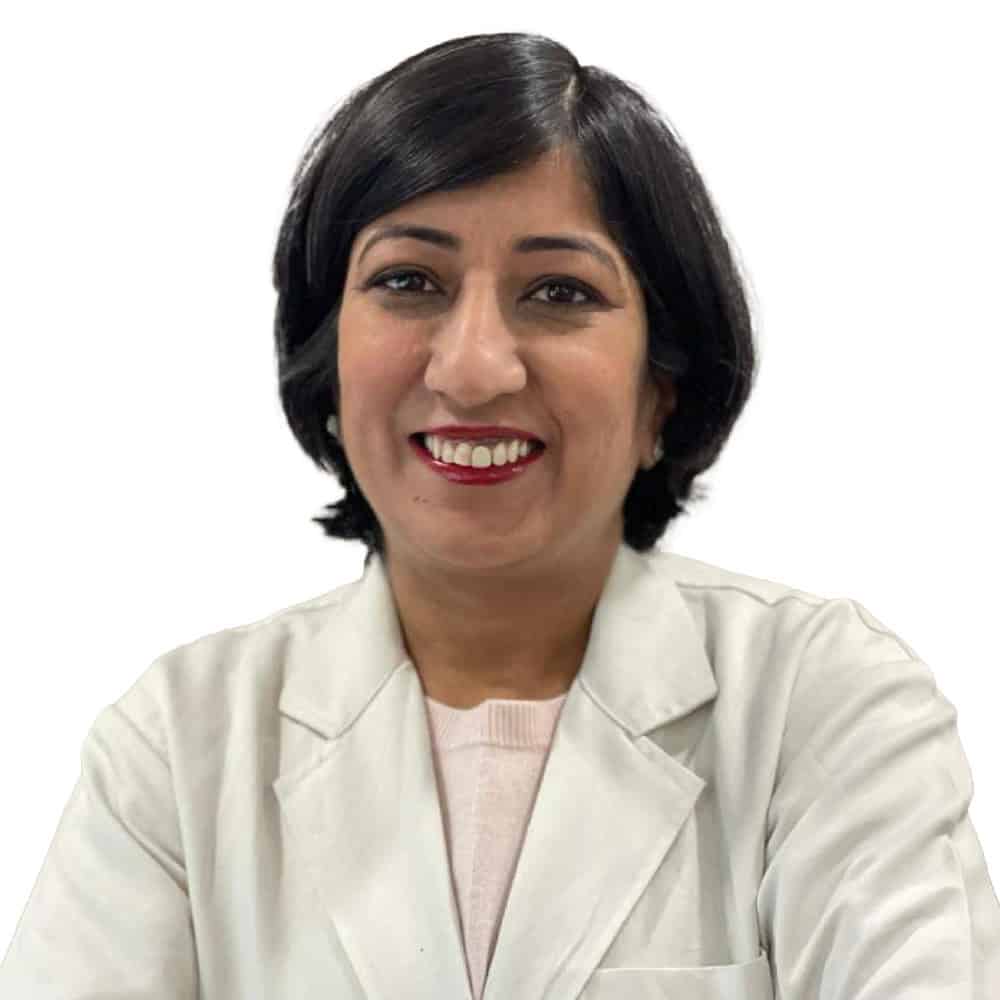
Dr. Prachi Benara
MBBS (Gold Medalist), MS (OBG), DNB (OBG), PG Diploma in Reproductive and Sexual health

Chandigarh
Dr. Rakhi Goyal
MBBS, MD (Obstetrics and Gynaecology) FNB (Reproductive Medicine), FICOG

Lajpat Nagar, Delhi
Dr. Muskaan Chhabra
MBBS, MS (OBGY), DNB (OBGY), MNAMS, MRCOG1 Advanced Fellowship in Reproductive Medicine

Mumbai, Maharashtra
Dr. Navina Singh
MBBS, MS (Obstetrics and Gynaecology), MRM (London), DRM (Germany) FRM (India)

Allahabad, Uttar Pradesh
Dr. Madhulika Singh
MBBS, MS (Obstetrics and Gynaecology) Fellowship in Reproductive Medicine

Varanasi, Uttar Pradesh
Dr. Deepika Mishra
MBBS, MS (Obstetrics & Gynaecology)
Why Choose us
Choosing a fertility clinic and doctor is an important step as you pursue your dream of starting a family. At Birla Fertility & IVF, we are committed to help you have a baby through personalised and comprehensive care.

Best-in-class Pregnancy Rate
With a team of 120 fertility experts, state-of-the-art embryology labs, and world-class technology, we achieve outstanding pregnancy rates.

95% Patient Satisfaction Score
We offer personalized treatment plans and comprehensive fertility services, ensuring exceptional fertility care under one roof.

100% Transparent Pricing
We are committed to making world-class fertility treatments affordable and accessible. We offer fixed price all-inclusive packages and 0% EMI options with no hidden charges.
Book Your Appointment

MEDICALLY REVIEWED BY:
Dr. Prachi Benara
AUTHOR:
Birla Fertility & IVF
JAN 27, 2026
What Our Patients Say
Dhyanedra singh Dhyanedra singh
March 18, 2026
Bahut accha laga yaha aake
Dhyanedra singh Dhyanedra singh
March 18, 2026
Very good
veer parmar
March 15, 2026
Good
Lakshay Sonkar
March 13, 2026
Good experience
Anil Chouhan
March 13, 2026
Good
dadhi Pooja
March 12, 2026
Good
Mehul Purbiya
March 11, 2026
Good
Patel Varun
March 8, 2026
સરસ સમજાવ્યું સારી હોસ્પિટલ લાગી....thank you .....
Monika Solanki
March 3, 2026
Good experience
Gynishwer Patil
March 3, 2026
Nice experience
Latest Blogs



- IVF Treatment in India
- IVF Treatment in Jalandhar
- IVF Treatment in Siliguri
- IVF Treatment in Perinthalmanna
- IVF Treatment in Patna
- IVF Treatment in Chennai
- IVF Treatment in Vijayapura
- IVF Treatment in Mumbai
- IVF Treatment in Kolar
- IVF Treatment in Thrissur
- IVF Treatment in Salem
- IVF Treatment in Palakkad
- IVF Treatment in Mangalore
- IVF Treatment in Kannur
- IVF Treatment in Kozhikode
- IVF Treatment in Bhopal
- IVF Treatment in Indore
- IVF Treatment in Hyderabad
- IVF Treatment in Nagpur
- IVF Treatment in Jaipur
- IVF Treatment in Raipur
- IVF Treatment in Guwahati
- IVF Treatment in Chandigarh
- IVF Treatment in Ranchi
- IVF Treatment in Ahmedabad
- IVF Treatment in Surat
- IVF Treatment in Cuttack
- IVF Treatment in Bhubaneswar
- IVF Treatment in Howrah
- IVF Treatment in Kolkata
- IVF Treatment in Meerut
- IVF Treatment in Prayagraj
- IVF Treatment in Noida
- IVF Treatment in Gorakhpur
- IVF Treatment in Varanasi
- IVF Treatment in Lucknow
- IVF Treatment in Rewari
- IVF Treatment in Gurgaon
- IVF Treatment in Bangalore
- IVF Treatment in Delhi