
 Our Centers
 Select City


 Select City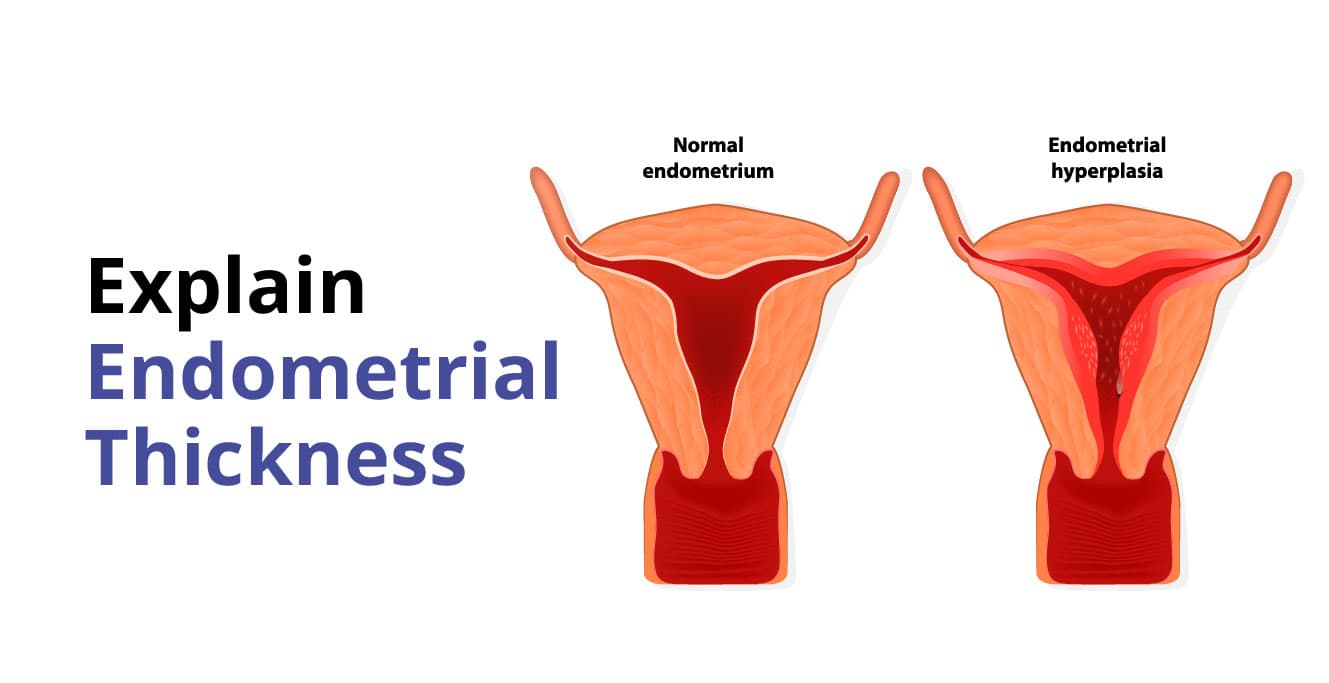
എൻഡോമെട്രിയൽ കനം: നിങ്ങൾ അറിയേണ്ടത്

Key Takeaways
-
Endometrial thickness varies throughout the menstrual cycle, with normal measurements being 2-4 mm during menstruation, 5-7 mm during the proliferative phase, and 11-16 mm during ovulation. A thickness of at least 7-8 mm is ideal for pregnancy.
-
Thickness is usually assessed via transvaginal ultrasound, which provides accurate visualization.
-
A thin endometrium can result from estrogen deficiency, age, or uterine fibroids, while a thick endometrium can result from pregnancy, endometrial hyperplasia, or hormone therapy.
-
Symptoms can include irregular cycles and abnormal bleeding, and treatments range from hormone therapy to surgical options.
-
Proper endometrial thickness is essential for fertility and successful embryo implantation.
As you navigate your fertility journey, you may come across various medical terms that seem unfamiliar to you. One such term is ‘endometrial thickness’, which refers to the thickness of the inner lining of the uterus. Understanding what endometrial thickness means and how it affects your fertility can help you feel more informed and empowered throughout your journey.
The endometrium plays a crucial role in your reproductive health. Its thickness varies throughout your menstrual cycle and throughout your life stages, and understanding these changes can help you identify potential problems . Whether you’re trying to conceive or experiencing unusual symptoms, knowing what’s normal is essential to understanding endometrial thickness .
Normal endometrial thickness
The thickness of the endometrium changes throughout the menstrual cycle and through different stages of life. Here’s what you need to know:
Endometrial thickness during the menstrual cycle
- Menstrual phase (days 1-5): The endometrium is at its thinnest, measuring 2 to 4 millimeters.
- Reproductive phase (days 6-14): As your body prepares for pregnancy, the endometrium thickens to 5-7 millimeters.
- Ovulation and secretory phase (days 15-28): The endometrial thickness increases to about 16 mm during the secretory phase, after reaching 11 mm before ovulation .
Endometrial thickness and pregnancy
When it comes to normal endometrial thickness for pregnancy , a thick endometrium is generally better. A thickness of at least 7-8 millimeters is considered optimal for implantation. However, successful pregnancies can occur with thinner or thicker linings, as other factors also play a role in fertility.
Endometrial thickness after menopause
After menopause , your endometrium usually measures 5 mm or less as estrogen levels decrease. A thick endometrium in postmenopausal women may be a cause for concern and may require further investigation.
Here is a quick reference chart of normal endometrial thickness at different stages:
|
Stage |
Normal endometrial thickness |
|
Menstruation (days 1–5) |
2–4 mm. |
|
Proliferative phase (days 6-14) |
5–7 mm. |
|
Ovulation and the secretory phase |
11 to 16 millimeters |
|
Pregnancy |
About 6 mm. |
|
Post-menopause |
5 mm or less |
How is endometrial thickness measured?
Endometrial thickness is most commonly measured using transvaginal ultrasound . This quick and painless procedure involves inserting a small ultrasound probe into the vagina to visualize the uterus and measure the endometrium at its thickest point.
Causes of abnormal endometrial thickness
Various factors can cause the endometrium to be thinner or thicker than normal. Let’s explore some common reasons:
Causes of thin endometrium
- Estrogen deficiency: Low estrogen levels during the follicular phase can lead to inadequate thickening.
- Age: Older women who are approaching menopause may have thinner endometrial linings.
- Uterine fibroids or polyps : Noncancerous growths that can interfere with endometrial growth.
- Anovulation: Irregular or absent ovulation affects estrogen and progesterone levels, which are necessary for proper endometrial growth.
- Poor blood flow: Inadequate blood flow limits endometrial growth and development.
Causes of thick endometrium
- Pregnancy: Especially early in pregnancy or ectopic pregnancy .
- Endometrial hyperplasia: Excess estrogen and insufficient progesterone can cause thickening.
- Endometrial cancer or ovarian cancer: These conditions can significantly increase endometrial thickness.
- Obesity: Associated with increased endometrial thickness.
- Hormone replacement therapy (HRT): Unopposed estrogen can cause thickening.
Symptoms of endometrial thickness changes
Symptoms of thin endometrium
- Implantation failure and miscarriage: A thin endometrium can lead to difficulties in embryo implantation and early pregnancy loss.
- Irregular menstrual cycles: Women may experience irregular menstrual cycles, which may manifest as missed cycles or variations in cycle length.
- Light menstrual flow: Bleeding during menstruation may be unusually light, sometimes with little or no clots, and may last only a short period of time (for example, half a day).
- Painful periods: Some individuals may experience discomfort or pain during menstruation, which can be worsened by underlying conditions such as chronic endometritis.
- Asymptomatic cases: In some cases, women may not exhibit noticeable symptoms until diagnosed through ultrasound or other medical evaluations.
Symptoms of thick endometrium
- Abnormal vaginal bleeding: heavy or prolonged bleeding during menstruation, spotting between periods, and bleeding after menopause.
- Irregular menstrual cycles: Cycles that last less than three weeks or more than five weeks.
- Pelvic pain: Unexplained pelvic pain may be a sign of underlying problems, such as endometrial cancer.
Treatments for abnormal endometrial thickness
Treatment for abnormal endometrial thickness depends on the underlying cause and the severity of the condition. Options may include:
Treatments for thin endometrium
- Estrogen therapy: This treatment aims to stimulate endometrial growth. Estrogen can be given in various forms, including pills, patches, or injections, and helps thicken the endometrial lining.
- Human Chorionic Gonadotropin (hCG): HCG administration can support implantation after embryo transfer . This hormone mimics the natural hormonal changes that occur in early pregnancy and promotes a favorable environment for the embryo.
- Medications and supplements: Some medications and supplements can increase blood flow to the uterus, which is essential for nourishing the endometrial lining. Improved circulation can help thicken the endometrium.
Treatments for thick endometrium
- Progestin: This hormone therapy is commonly used to counteract the effects of excess estrogen, which can cause endometrial hyperplasia (thickened endometrium). Progestin helps regulate the menstrual cycle and prevents the uterine lining from thickening further.
- Uterus: In severe cases where other treatments have failed or if there is a risk of cancer, a hysterectomy may be necessary. This surgery completely removes the uterus, eliminating the risk of future complications related to the thickened endometrium.
- Vaginal pills and creams: These treatments contain hormones that help regulate the endometrial lining. They are effective in managing symptoms associated with a thick endometrium and restoring hormonal balance.
- Intrauterine devices (IUDs): Hormonal IUDs can deliver progestin directly to the uterus, which helps thin the overly thick endometrial lining and effectively manage bleeding symptoms.
The importance of endometrial thickness in fertility and pregnancy
Endometrial thickness plays an important role in conception and pregnancy:
- Optimal thickness for IVF: An endometrial thickness of 7-10 mm is considered optimal for achieving favorable results. IVF . This thickness ensures that the uterine lining is adequately prepared to support embryo implantation and subsequent development.
- Successful implantation: A properly developed endometrium—not too thin or too thick—is essential for successful embryo implantation . The appropriate thickness allows for the necessary nutrient supply to the embryo and provides an ideal environment for its growth.
Myth : Endometrial thickness is the only thing that matters during fertility treatment
Fact : Even outside of fertility treatments , maintaining healthy endometrial thickness is important for regular menstrual cycles and overall uterine health. Abnormal thickness can also indicate other health problems, such as polyps, fibroids, or endometrial hyperplasia, which should be evaluated by a doctor.
A word from the expert
Endometrial thickness is an important indicator of reproductive health, and it’s important for women to know what’s normal. Regular checkups and open communication with your doctor can help you stay on top of any changes and address issues promptly ~ Shreya Gupta
To know more
Birla Fertility & IVF aims at transforming the future of fertility globally, through outstanding clinical outcomes, research, innovation and compassionate care.


Had an IVF Failure?
Talk to our fertility experts