
 Our Centers
 Select City


 Select City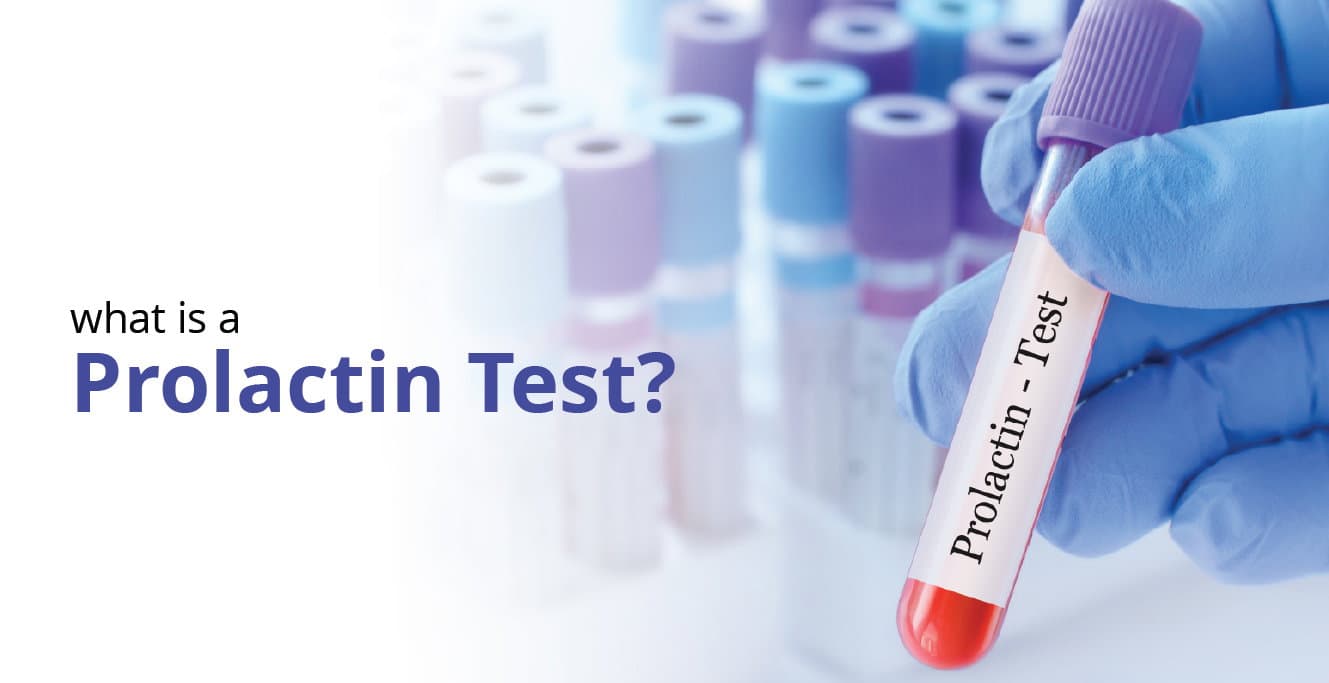
Prolactin Test: What is It and Why is It Done?

Table of Contents
- What is a Prolactin Test?
- Why is a Prolactin Test Done?
- What Are Normal Prolactin Levels?
- What Do High Prolactin Levels Mean?
- What is Prolactinoma?
- Causes of High Prolactin Level
- Symptoms of High Prolactin Levels
- High Prolactin Levels and Their Effects on Fertility
- Treatment for High Prolactin Levels
- How is the Prolactin Test Done?
- Are There Any Risks Involved in the Prolactin Test?
- Conclusion
- FAQs
Did you know that both men and women produce the prolactin hormone, but women naturally have higher levels than men? While the normal prolactin level in females is usually less than 25 ng/mL, in males it is generally below 17 ng/mL. Even small changes in these values can affect menstrual health, fertility, sexual health, and breast changes.
A prolactin test is a simple blood test that measures your prolactin levels and helps doctors understand whether this hormone is contributing to the symptoms you are experiencing.
What is a Prolactin Test?
A prolactin test measures the prolactin levels in the bloodstream. Prolactin is a hormone produced by the pituitary gland, a small gland located at the base of the brain. Its primary role is to support breast development and milk production after childbirth. However, prolactin also plays a role in regulating menstrual cycles, fertility, and reproductive health in both women and men.
Men can also have a higher-than-normal level of prolactin. This condition is called prolactinoma. Hence, doctors often advise a prolactin test to diagnose or treat prolactinoma.
Prolactin test usually requires a simple blood sample, often taken in the morning, as prolactin levels naturally fluctuate during the day and are highest during sleep.
Why is a Prolactin Test Done?
To determine the levels of prolactin in your system, a prolactin test is required. Abnormal prolactin levels can have effects on fertility, menstrual cycles, and even general health in addition to breastfeeding. This test is highly advised in the following cases:
- Irregular or missed periods
- Difficulty getting pregnant
- Unexplained breast milk discharge when not pregnant or breastfeeding
- Low sexual desire
- Erectile dysfunction in men
- Headaches or vision problems that may suggest a pituitary issue
- Suspected pituitary gland disorders such as prolactinoma
Since the prolactin hormone directly affects reproductive health, this test is often part of fertility evaluations.
What Are Normal Prolactin Levels?
Normal prolactin levels vary slightly depending on the laboratory, age, and sex.
- Adult women (not pregnant): 5 to 25 ng/mL
- Pregnant women: Levels may rise significantly, sometimes up to 200 ng/mL or higher
- Adult men: 3 to 15 ng/mL
It is important to interpret results with a doctor because stress, recent exercise, certain medicines, and even sleep patterns can temporarily affect prolactin levels.
What Do High Prolactin Levels Mean?
When a prolactin test shows high prolactin levels, the condition is called hyperprolactinaemia. This means the body is producing more prolactin hormone than required, which can disturb the balance of other reproductive hormones.
In women, high prolactin levels can interfere with ovulation and menstrual cycles, making it difficult to become pregnant. In men, it can affect testosterone levels, leading to sexual and fertility concerns.
What is Prolactinoma?
Tumour growth inside the pituitary gland can make it secrete too much prolactin. This kind of tumour is known as a prolactinoma. Fortunately, this tumour growth is commonly benign and not cancerous.
However, it is still necessary to treat it as soon as possible.
Symptoms of prolactinoma differ for both men and women.
Women can experience symptoms like infertility, irregular menstrual cycle, tenderness in breasts, hot flashes, vaginal drying, breast milk production while not being pregnant, and unexplained headaches.
For men, the common symptoms are low sex drive, breast enlargement, breast tenderness, unexplained headaches, and difficulty getting an erection.
Causes of High Prolactin Level
Apart from prolactinoma, some other causes of high prolactin levels can be:
- Drugs used to cure conditions like depression, anxiety, high blood pressure, psychosis, and schizophrenia
- Eating disorders like anorexia
- Conditions affecting the hypothalamus
- Chest injuries or deep scars
- Polycystic ovarian syndrome (PCOS)
- Kidney problems
- Liver problems
- Hypothyroidism
- Epileptic seizures
- Lung cancer
- Illness-induced stress
- Pituitary disorders
- Excessive cannabis use
Symptoms of High Prolactin Levels
Symptoms may differ in women and men.
In women:
- Irregular or absent periods
- Difficulty becoming pregnant
- Milky discharge from breasts without pregnancy
- Vaginal dryness
- Low sexual desire
In men:
- Erectile dysfunction
- Reduced facial or body hair
- Low sexual desire
- Breast enlargement in rare cases
Both men and women may also experience headaches and vision issues if a pituitary growth is present.
High Prolactin Levels and Their Effects on Fertility
Fertility is significantly impacted by the prolactin hormone. Hyperprolactinemia, or high levels of prolactin, can upset the delicate hormonal balance necessary for regular ovulation and menstrual cycles. This disruption may result in irregular or nonexistent periods, decreased fertility, and conceiving challenges.
High levels of prolactin may occasionally also prevent the release of other ovulation-related hormones like luteinizing hormone (LH) and follicle-stimulating hormone (FSH). Restoring hormonal balance with medication or other treatments for hyperprolactinemia may enhance fertility.
On the other hand, low prolactin levels are rarely linked to problems with conception. For those wanting to get pregnant, monitoring and controlling prolactin levels is crucial to ensuring their reproductive health.
Treatment for High Prolactin Levels
The goal of treating high prolactin levels is to return the production of prolactin by the pituitary gland to the normal range. If an individual has high prolactin levels due to a prolactinoma, the treatment also aims to reduce the size of the tumour.
The two main treatment options are:
1. Medication
- The most commonly used medicines for high prolactin levels are cabergoline and bromocriptine. These are dopamine agonists that mimic the action of dopamine. They reduce the production of prolactin by the pituitary gland and also help shrink the tumour.
- These medicines usually start lowering prolactin levels within days to weeks, but regular daily use is required for effective long-term control. Regular monitoring through a prolactin test is advised to track improvement.
- If high prolactin is caused by hypothyroidism, treating the thyroid condition can also help normalise prolactin levels.
2. Surgical removal of the tumour
- Surgery is considered when medicines do not work or when the tumour is pressing on the nerves that control vision.
- The most common procedure is called transsphenoidal surgery, where the tumour is removed through the nasal passage. Transcranial surgery is rarely required and is reserved for large or complicated tumours.
Depending upon factors like age, sex, and medical records, a doctor might perform a nasal or transcranial surgery to remove the tumour.
How is the Prolactin Test Done?
A prolactin blood test is done to measure the level of prolactin in the body. A health practitioner will take a blood sample, which will then be sent to the laboratory for testing.
The prolactin level changes multiple times throughout the day, but is usually at its highest during the morning hours. Hence, your doctor might advise you to get your prolactin test done in the morning.
Avoid taking too much stress before the test as it can fluctuate the prolactin level in your body.
Additionally, make sure you inform your doctor of your entire medical history, as it will allow them to make more informed decisions. Certain medicines like birth control pills, antidepressants, and blood pressure medicine can also interfere with the test result.
If you take these medicines, take them after the test has been successfully done.
Some other factors that might affect the test results are:
- Alcohol consumption
- Smoking
- Lack of sleep
- Heavy exercise right before the test
- Nipple stimulation right before the test
- Kidney problems
- Liver problems
Are There Any Risks Involved in the Prolactin Test?
A prolactin test is a simple blood test, and there are no risks involved. You might feel a small prick when the health practitioner draws your blood sample.
If you tend to feel dizzy during a blood test, inform your health practitioner before the test. They will then take all the important measures to make you feel as comfortable as possible.
Conclusion
High prolactin levels are common in females nowadays, especially during pregnancy and due to certain lifestyle habits. Do not be excessively worried if you are also experiencing this condition. Just keep an eye on your symptoms and get medical advice as and when needed. Many treatment plans and preventive care make it easier for you. To get the best treatment for high prolactin levels, feel free to speak to our experts at Birla Fertility and IVF.
FAQs
What is a prolactin test?
A prolactin test measures the prolactin levels in the bloodstream. The procedure involves a simple blood test, after which the sample is sent to a laboratory for testing. Results usually come out after 24-36 hours.
When should the prolactin test be done?
If you are experiencing symptoms like tenderness in the breast, breast milk production while not being pregnant, and unexplained headaches, it is best to get a prolactin test done.
What is the Prolactin Test Price in India?
A prolactin test cost in India is somewhere between 350 INR to 500 INR. Depending on the city, the cost might vary a little.
What happens if your prolactin levels are high?
Symptoms of high prolactin levels differ for both men and women. Women can experience symptoms like infertility, irregular menstrual cycle, tenderness in breasts, breast milk production while not being pregnant, and unexplained headaches. For men, the common symptoms are low sex drive, breast enlargement, breast tenderness, and difficulty getting an erection.
What does prolactin do in females?
The prolactin hormone helps in breast development and milk production after childbirth. It also influences menstrual cycles and plays a role in fertility and overall reproductive balance.
Does prolactin cause weight gain?
High prolactin levels may indirectly contribute to weight gain. This happens because hormonal imbalance can slow down metabolism, affect thyroid function, and disturb menstrual health. However, weight gain is not a direct symptom and may vary from person to person.
Our Fertility Specialists
To know more
Birla Fertility & IVF aims at transforming the future of fertility globally, through outstanding clinical outcomes, research, innovation and compassionate care.


Had an IVF Failure?
Talk to our fertility experts