
 Our Centers
 Select City


 Select City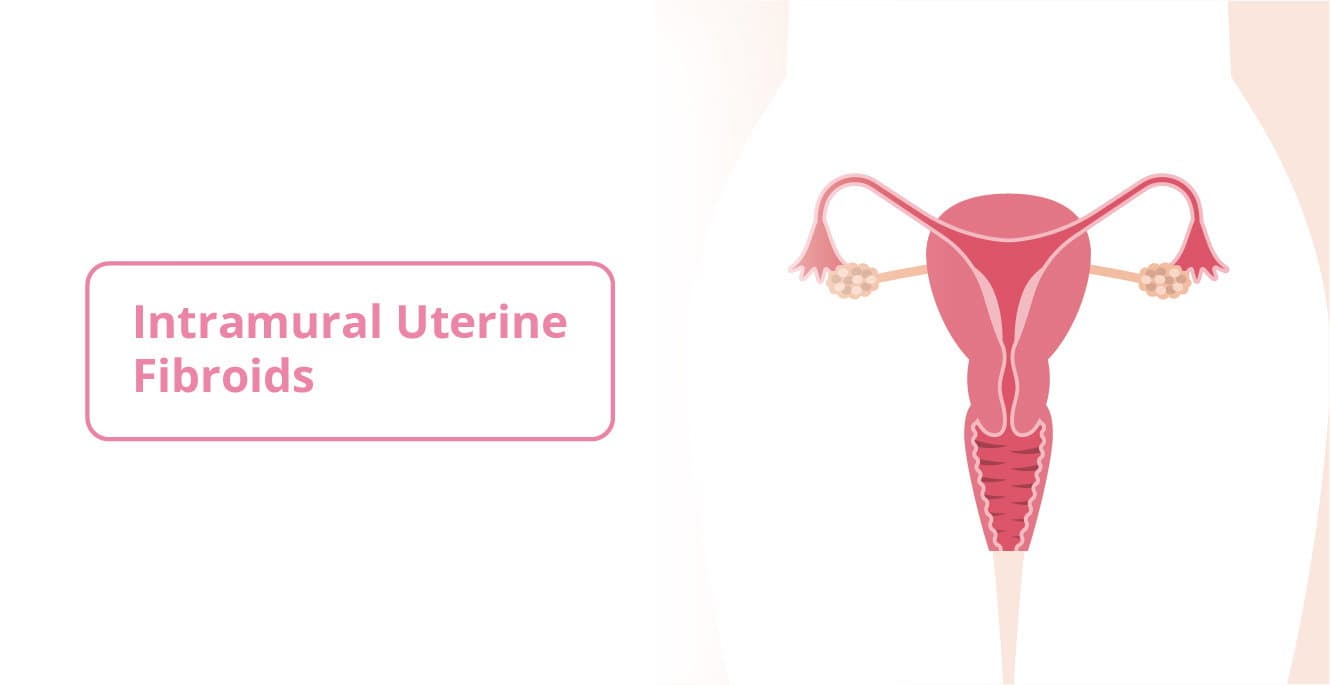
Intramural Uterine Fibroids: Causes, Symptoms and Treatment

Table of Contents
- What Are Intramural Uterine Fibroids?
- How Are Intramural Fibroids Different from Other Fibroids?
- Causes of Intramural Uterine Fibroids
- Symptoms of Intramural Uterine Fibroids
- How Are Intramural Fibroids Diagnosed?
- Treatment Options for Intramural Fibroids
- Intramural Fibroids and Fertility
- Intramural Fibroids and Pregnancy
- Complications & Self-Care
- Conclusion
- FAQs:
- Can an intramural fibroid be cancerous?
- Is it necessary to remove intramural fibroids?
- How common are intramural uterine fibroids?
- Can intramural fibroids be treated without surgery?
- Can other signs and symptoms indicate uterine fibroids?
- Can uterine fibroid treatments require surgical procedures?
- Can intramural uterine fibroids affect pregnancy results?
- What is the common age for uterine fibroids to occur?
Heavy periods, pelvic pressure, or unexplained fertility struggles often have an underlying cause that goes unnoticed. One such condition is intramural uterine fibroids, noncancerous growths that develop within the muscular wall of the uterus. But in most cases it goes undetected before it gets worse.
Why? It is because they grow deep inside the uterine muscle, and silently expand before symptoms become obvious. Many women live with fibroids without complications, others experience discomfort, irregular bleeding, or fertility issues.
In this blog, we will understand what intramural uterine fibroids are, why they develop, and how they affect the overall reproductive health.
What Are Intramural Uterine Fibroids?
An intramural fibroid is a noncancerous tumor that grows between the muscles of the uterus. Treatment options can depend on your symptoms and the size of your fibroids.
There are several types of intramural fibroids:
- anterior intramural fibroid, located in the front of the uterus
- posterior intramural fibroid, located in the back of the uterus
- fundal intramural fibroid, located in the upper part of the uterus
In size, intramural fibroids can range from as small as a pea to as large as a grapefruit.
How Are Intramural Fibroids Different from Other Fibroids?
Intramural fibroids differ from other types of uterine fibroids based on where they grow inside the uterus. They develop within the muscular wall which is known as myometrium. This causes the uterus to grow uniformly.
Here are different types fibroids:
- Intramural Fibroids- These grow within the uterine muscle wall and may cause heavy periods, pelvic pain, or pressure.
- Submucosal Fibroids- These develop just below the inner uterine lining and often affect fertility or cause heavy bleeding.
- Subserosal Fibroids- These grow on the outer surface of the uterus and may press on nearby organs like the bladder.
Since intramural fibroids grow within the muscle, they can affect both menstrual flow and uterine shape, sometimes affecting fertility.
Causes of Intramural Uterine Fibroids
Various factors can cause the endometrium to be thinner or thicker than normal. Let’s explore some of the common causes:
Causes of Thin Endometrium
- Oestrogen Deficiency: Insufficient thickening may result from low oestrogen levels during the follicular phase.
- Age: The endometrial linings of older women may be thinner as they approach menopause. Endometrial development may be hampered by noncancerous growths such as uterine fibroids or polyps.
- Anovulation: The amounts of progesterone and oestrogen required for healthy endometrial growth are impacted by irregular or missing ovulation.
- Inadequate Blood Flow: Endometrial growth and development are restricted by inadequate blood flow.
Causes of Thick Endometrium
- Pregnancy: Particularly in cases of ectopic pregnancy or early pregnancy.
- Endometrial Hyperplasia: Thickening may result from too much oestrogen and not enough progesterone.
- Endometrial Cancer: Endometrial thickness can be markedly increased by endometrial cancer or ovarian cancer.
- Obesity: Endometrial thickness is linked to obesity.
- Hormone Replacement Therapy (HRT): Due to unopposed oestrogen, hormone replacement therapy (HRT) may cause thickness.
Symptoms of Intramural Uterine Fibroids
Numerous symptoms associated with intramural uterine fibroids include:
- Menstrual Changes: Prolonged periods, heavy bleeding, and irregular menstruation are common signs.
- Pelvic Pain and Pressure: Fibroids can result in lower abdominal pain, discomfort, and a feeling of fullness or pressure.
- Pelvic Pain During Sexual Interaction: Intramural fibroids can cause pain or discomfort during sexual interaction.
- Problems with Fertility: For some women, fibroids may be a factor in infertility or repeated miscarriages.
How Are Intramural Fibroids Diagnosed?
Experts may use a range of examinations and imaging procedures to diagnose intramural uterine fibroids, including:
- Pelvic Exam: Fibroids can occasionally be found during a physical examination of the pelvis.
- Ultrasound: The uterus and any existing fibroids are clearly visible in transvaginal or abdominal ultrasound imaging.
- Magnetic Resonance Imaging (MRI): The uterus and fibroids can be seen in incredibly fine detail thanks to magnetic resonance imaging (MRI) studies.
- Hysterosonography: To improve ultrasound imaging, sterile saline is injected into the uterus.
Treatment Options for Intramural Fibroids
The size and extent of the uterine fibroids, the severity of symptoms, and the patient’s reproductive goals all play a role in determining the best course of treatment for intramural uterine fibroids. Options for treatment include:
- Watchful Waiting: Experts could advise “watchful waiting” if fibroids are small and asymptomatic, rather than recommending prompt treatment.
- Medication: Hormonal medications, such as hormonal birth control pills or IUDs, can ease symptoms like heavy monthly bleeding.
- Minimally Invasive Procedures: Fibroids can be reduced or removed while retaining fertility using techniques including uterine artery embolization, myomectomy, and laparoscopic or hysteroscopic surgery.
- Hysterectomy: A hysterectomy, which removes the uterus and, in turn, the fibroids, may be advised in severe cases or when fertility is unaffected.
Intramural Fibroids and Fertility
Fertility and pregnancy outcomes are somehow impacted by intramural uterine fibroids. They obstruct implantation, foetal development, or labour and delivery. These depend on their size and location. Many women who have developed intramural fibroids are able to get pregnant and give birth to healthy babies without any complications. It is especially true in case they receive the right medical attention and monitoring since the diagnosis.
Intramural Fibroids and Pregnancy
Intramural fibroids can affect pregnancy depending on their size, number, and exact location within the uterine wall. Some women develop small fibroids that do not interfere with conception or pregnancy. However, there are larger intramural fibroids that can distort the uterine cavity, reducing blood flow to the lining, or interfere with embryo implantation.
In some extreme cases, they may increase the risk of miscarriage, preterm labor, placental problems, or cesarean delivery. Fibroids can also cause pain during pregnancy due to degeneration.
However, this doesn’t mean that women who have intramural fibroids cannot have healthy pregnancies. With the help of proper monitoring through ultrasound and timely medical guidance helps manage potential risks and improve outcomes. In case there are fertility challenges, we have treatment options that can be considered before conception.
Complications & Self-Care
Intramural fibroids can sometimes lead to complications, especially if they grow large or remain untreated. These include:
- Heavy or prolonged menstrual bleeding, which can cause anemia
- Chronic pelvic pain or pressure
- Frequent urination if the fibroid presses on the bladder
- Constipation due to pressure on the bowel
- Fertility challenges or pregnancy complication in certain cases
The severity of complications often depends on the size, number, and location of the fibroids. Though, worry now, there are some self-care tips that can help:
- Maintain a healthy weight to support hormonal balance
- Follow a balanced, iron-rich diet to prevent anemia
- Exercise regularly to improve circulation
- Heating pads are used for pelvic discomfort
- Go for regular gynecological check-ups for monitoring
Early attention and consistent care can help reduce symptoms and improve overall well-being.
Conclusion
Intramural uterine fibroids are a common issue that has an impact on women’s general health, including their ability to procreate. People can choose their care in an informed manner if they are aware of the causes, symptoms, and possible treatments. Individuals can navigate the challenges of intramural fibroids and enhance their quality of life by seeking expert advice and exploring personalized treatment plans that address symptom management, fertility preservation, and improved reproductive health. If you are diagnosed with any fertility issues and are looking for effective treatment, call us today or book an appointment by filling out the required details.
FAQs:
Can an intramural fibroid be cancerous?
Intramural fibroids are almost always noncancerous (benign) growths. Cancerous transformation is extremely rare and occurs in a very small percentage of cases.
Is it necessary to remove intramural fibroids?
Removal is not always required, especially if they are small and symptom-free. Treatment is usually recommended only if they cause severe symptoms, fertility issues, or complications.
How common are intramural uterine fibroids?
It is most common and is diagnosed in women between the ages of 30-45 years. Therefore, it is better to have a routine check-up to eliminate the risk of uterine fibroids and receive timely treatment.
Can intramural fibroids be treated without surgery?
It varies from one patient to another, depending on the severity of the condition. In addition, the expert may recommend the first-line treatment, such as medication or hormonal therapy. If the medication does make a difference, the expert may advise another treatment option for the condition.
Can other signs and symptoms indicate uterine fibroids?
Heavy bleeding, irregular periods, and frequent miscarriages are common signs and symptoms of uterine fibroids. However, these signs also indicate uterine polyps and hormonal imbalances.
Can uterine fibroid treatments require surgical procedures?
Not really; the treatment is determined by the expert based on the severity of the condition, the size, and the location of the uterine fibroid. Though myomectomy is the most common surgical procedure recommended to remove uterine fibroids.
Can intramural uterine fibroids affect pregnancy results?
Yes, there is a possibility that women diagnosed with uterine fibroids may face issues with fertility. Most of the time, women with uterine fibroids feel pressure in their pelvic region and are not able to carry a full-term pregnancy.
What is the common age for uterine fibroids to occur?
Some reports state that about 20% to 80% of women experience uterine fibroids by the time they reach the age of 50. In addition, it is also said that the most common age bracket for uterine fibroids in women is 35-50 years old.
Our Fertility Specialists
To know more
Birla Fertility & IVF aims at transforming the future of fertility globally, through outstanding clinical outcomes, research, innovation and compassionate care.


Had an IVF Failure?
Talk to our fertility experts