
 Our Centers
 Select City


 Select City
Failed IVFWhat to Do Next?
A failed IVF cycle can be one of the most stressful experiences while trying to conceive. After weeks of medication, procedures, and hope, a negative test result can feel very demotivating and make people wonder why it did not work. However, an unsuccessful IVF cycle does not mean future cycles will fail. Evaluating the previous cycle and changing the treatment strategy can help, with options such as Blastocyst Culture, FET, ICSI, and genetic screening.
 verified 95% Patient Satisfaction biotech
 Advanced Lab Diagnostics groups
 Expert Second Opinion
Book a Consultation Today!
Begin your Journey with Confidence.
Numbers Speaks for Themselves
With years of fertility care experience, our team combines medical expertise, advanced technology, and personalised treatment to support every fertility journey.

120+
Fertility Specialists

140,000+
IVF Cycles Experience

50+
Fertility Clinics

100%
Price Transparency
Data Analysis Summary
Real-time clinical metrics and patient outcomes performance.

215
TOTAL ACTIVE CASES

160
POSITIVE CASES (74%)

55
NEGATIVE CASES (26%)
215
TOTAL ACTIVE CASES
160
POSITIVE CASES (74%)
55
NEGATIVE CASES (26%)
Cycle-wise Patient Attrition
Treatment progression across consecutive cycles
1st Cycle
100% Start
2nd Cycle
57.8%
3rd Cycle
20.7%
4th Cycle
6.0%
5th Cycle
0.9%
Outcome Distribution
 STUDY COVERAGE AREAS
 METHODOLOGY
Prospective observational study across tiered clinical cycles with standard protocol tracking.
Last Synced
Oct 24, 2025 • 09:12 AM
How We Support Second Chances

In-depth Root Cause Analysis
We meticulously review your medical history and previous IVF cycle data to identify potential reasons for failure.

Advanced Tech & Protocols
Leveraging PGT-A, ERA, and customised stimulation protocols tailored specifically for patients with repeated implantation failures.

Emotional Wellness
A failed IVF cycle is emotionally taxing. Our counselors provide dedicated support to help you heal and regain hope.
In-depth Root Cause Analysis
We meticulously review your medical history and previous IVF cycle data to identify potential reasons for failure.
Advanced Tech & Protocols
Leveraging PGT-A, ERA, and customised stimulation protocols tailored specifically for patients with repeated implantation failures.
Emotional Wellness
A failed IVF cycle is emotionally taxing. Our counselors provide dedicated support to help you heal and regain hope.
Understanding IVF Attrition & Failure
Experiencing a failed IVF cycle can be emotionally taxing. Understanding the common reasons attrition and clinical gaps is the first step toward a more personalised and successful next journey.

Protocol Mismatch
Sometimes the stimulation protocol doesn't align with an individual's ovarian reserve or hormonal profile, leading to sub-optimal egg retrieval results.

Embryo Quality
The majority of IVF failures are due to chromosomal abnormalities in the embryo. This is often an age-related factor or genetic mismatch.

Diagnostic Gaps
Uterine receptivity or undiagnosed conditions like endometriosis or thin endometrium can prevent even high-quality embryos from implanting successfully.
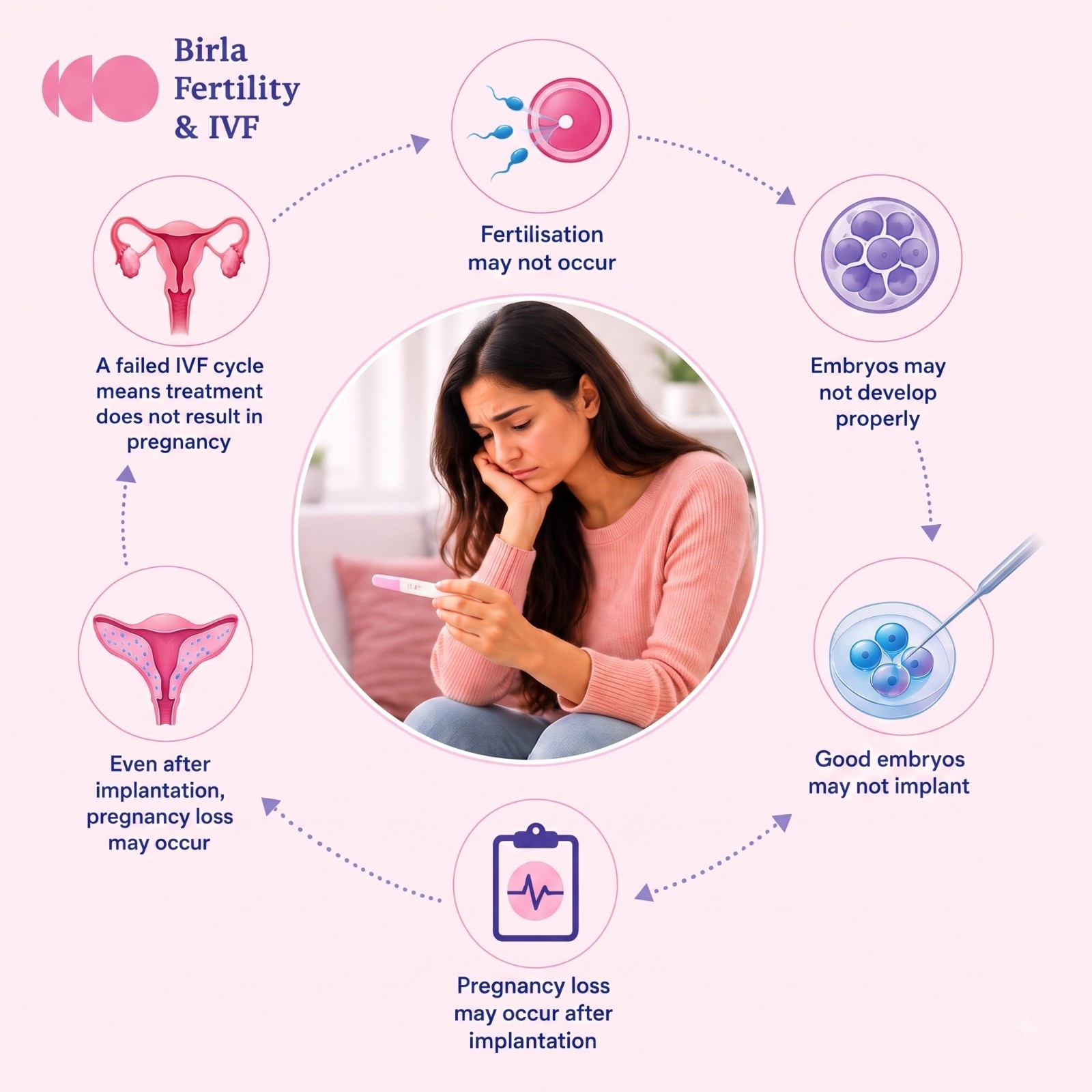
What is Failed IVF?
A failed IVF cycle is a situation whereby the IVF treatment fails to achieve a pregnancy. Failure can happen at any stage of the procedure. In some cases, fertilisation of the eggs might be difficult. In other instances, development of the embryos before transfer to the uterus might fail. There could also be cases when even after good quality embryos are transferred, the implantation might fail to occur. At times, even with successful implantation, a pregnancy loss after IVF takes place.
The occurrence of a failure of an IVF cycle does not necessarily point to permanent infertility. There are several factors that determine the success rate of the process like age, embryo quality, uterine condition, sperm quality, hormonal levels, and medical conditions. Identifying the specific reason behind the failed cycle helps fertility specialists decide the most appropriate next steps.
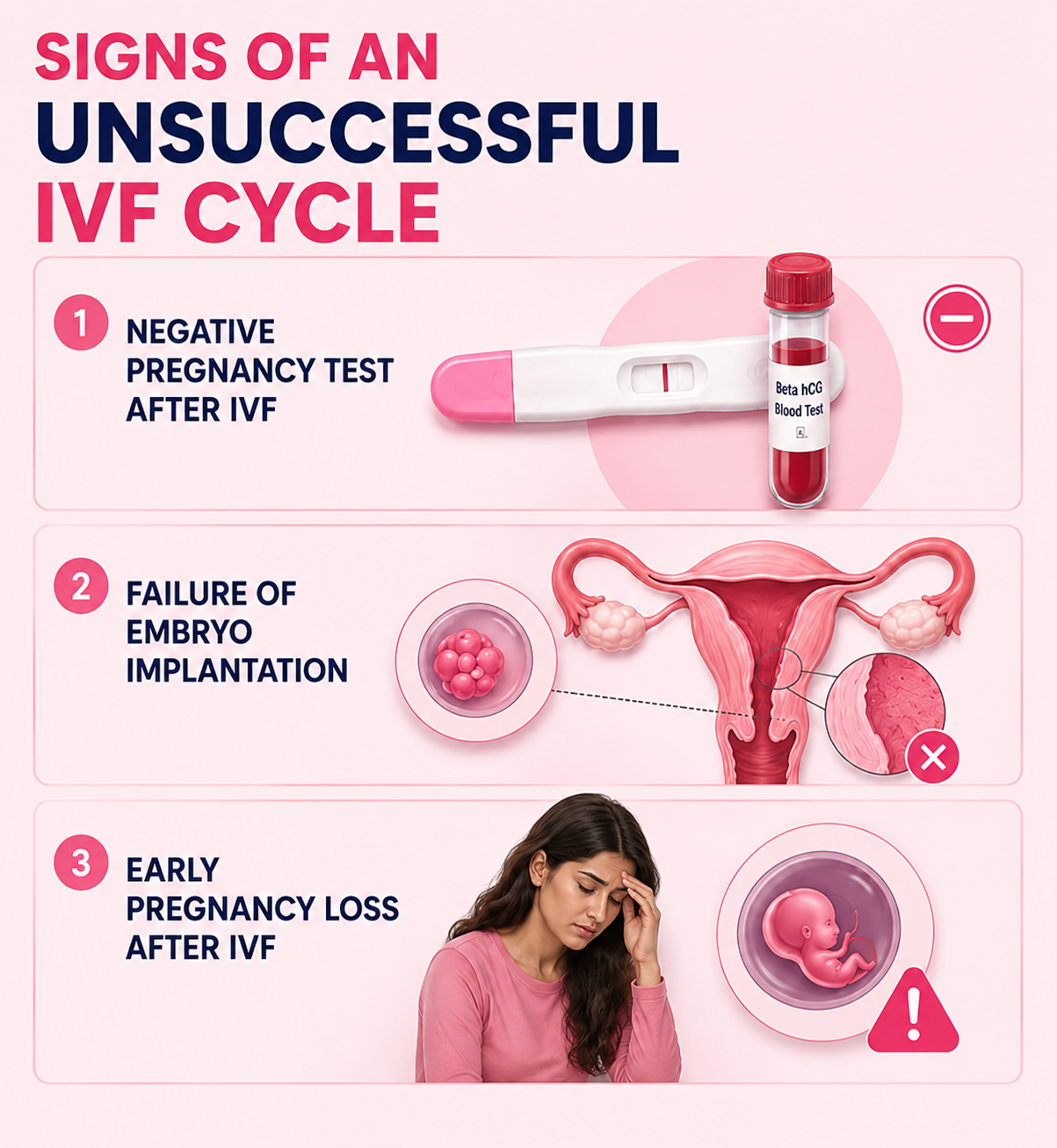
Signs of an Unsuccessful IVF Cycle
While a pregnancy test provides the final confirmation, certain signs may indicate an unsuccessful IVF cycle.
Negative Pregnancy Test After IVF
A negative beta hCG blood test, which takes place on day 12–14 after transfer of the embryo, is one of the most common indications of IVF failure. A blood test at this time is more reliable than a home pregnancy test.
Failure of Embryo Implantation
Sometimes, high-quality embryos do not attach to the lining of the uterus. Reasons for this can be embryonic problems, decreased receptivity of the endometrium, uterine problems or hormonal disorders.
Early Pregnancy Loss After IVF
At times, pregnancy occurs, but the pregnancy is lost in the early stage. It may be associated with chromosomal abnormalities, maternal age, hormonal disorders and uterine problems. Multiple pregnancy losses require further evaluation.
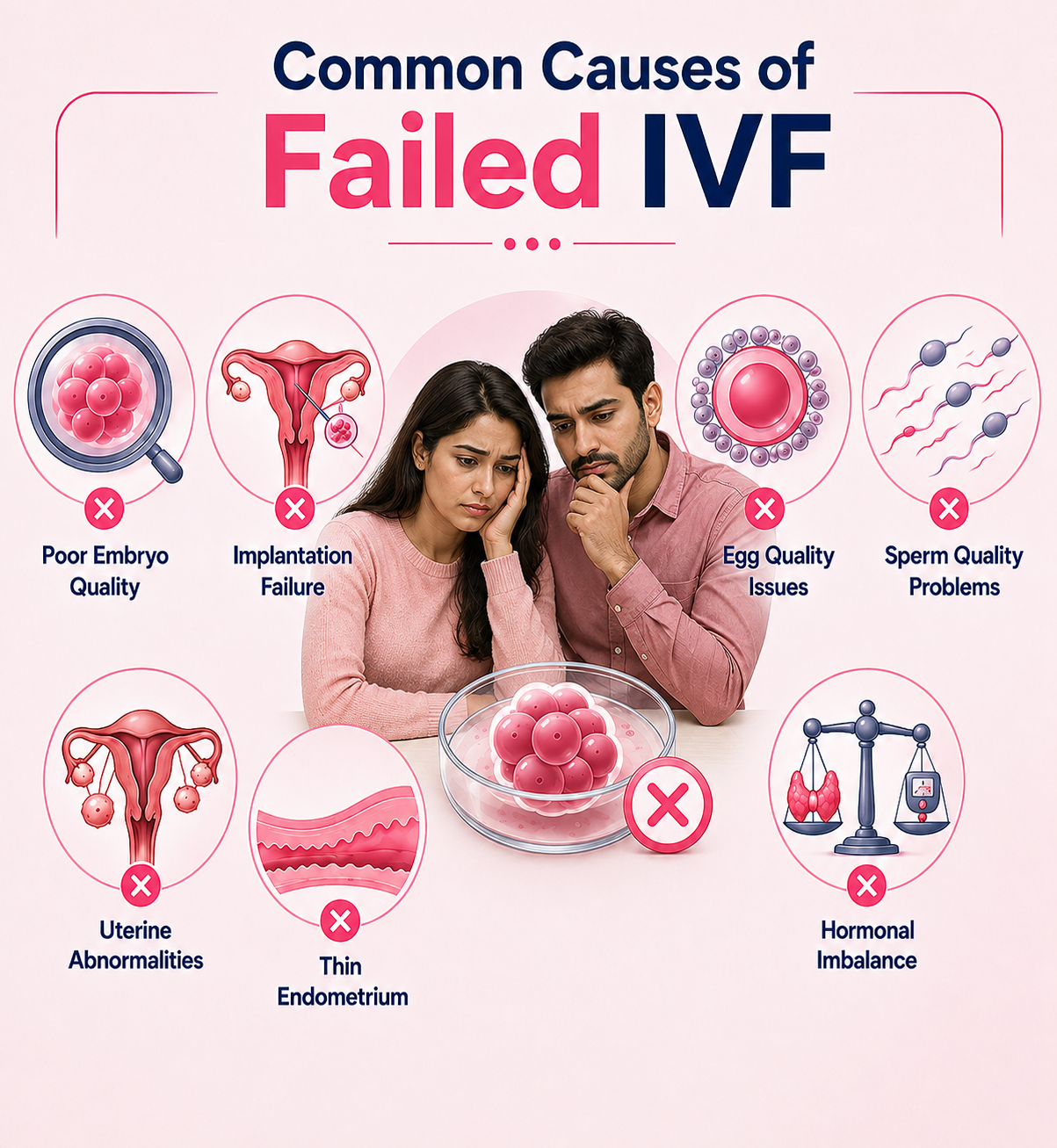
Common Causes of Failed IVF
There can be several reasons behind failed IVF and understanding those can help in better planning for future cycles.
Poor Embryo Quality
Embryos affected by chromosomal abnormalities have lower chances of implanting or growing into a healthy pregnancy. Both egg and sperm quality, as well as maternal age, determine the quality of the embryo.
Implantation Failure
At times, despite having a good-quality embryo, implantation fails because of lower endometrial receptivity, uterine abnormalities, hormones or embryo-related issues.
Egg Quality Issues
As women get older, particularly after 35, their egg quality begins to deteriorate. Lower egg quality is at risk of producing embryos with genetic abnormalities, which can fail IVF treatment.
Sperm Quality Problems
Poor sperm count, motility, morphology or a high sperm DNA fragmentation rate can impact fertilisation and embryo development. In some cases, ICSI may improve fertilisation outcomes.
Uterine Abnormalities
The presence of fibroids, endometrial polyps, uterine adhesions or congenital uterine malformations can affect the process of implantation or increase the risk of miscarriage. These conditions need to be diagnosed and treated before undergoing another cycle of IVF.
Thin Endometrium
If endometrium is too thin to provide an appropriate place for embryo implantation, your fertility doctor might suggest certain treatments to improve the thickness of your endometrium before transferring embryos.
Hormonal Imbalance
Hormonal disorders such as thyroid disease, high prolactin levels, or uncontrolled diabetes can affect ovulation, implantation, and early pregnancy. Treating these conditions before IVF may improve outcomes.
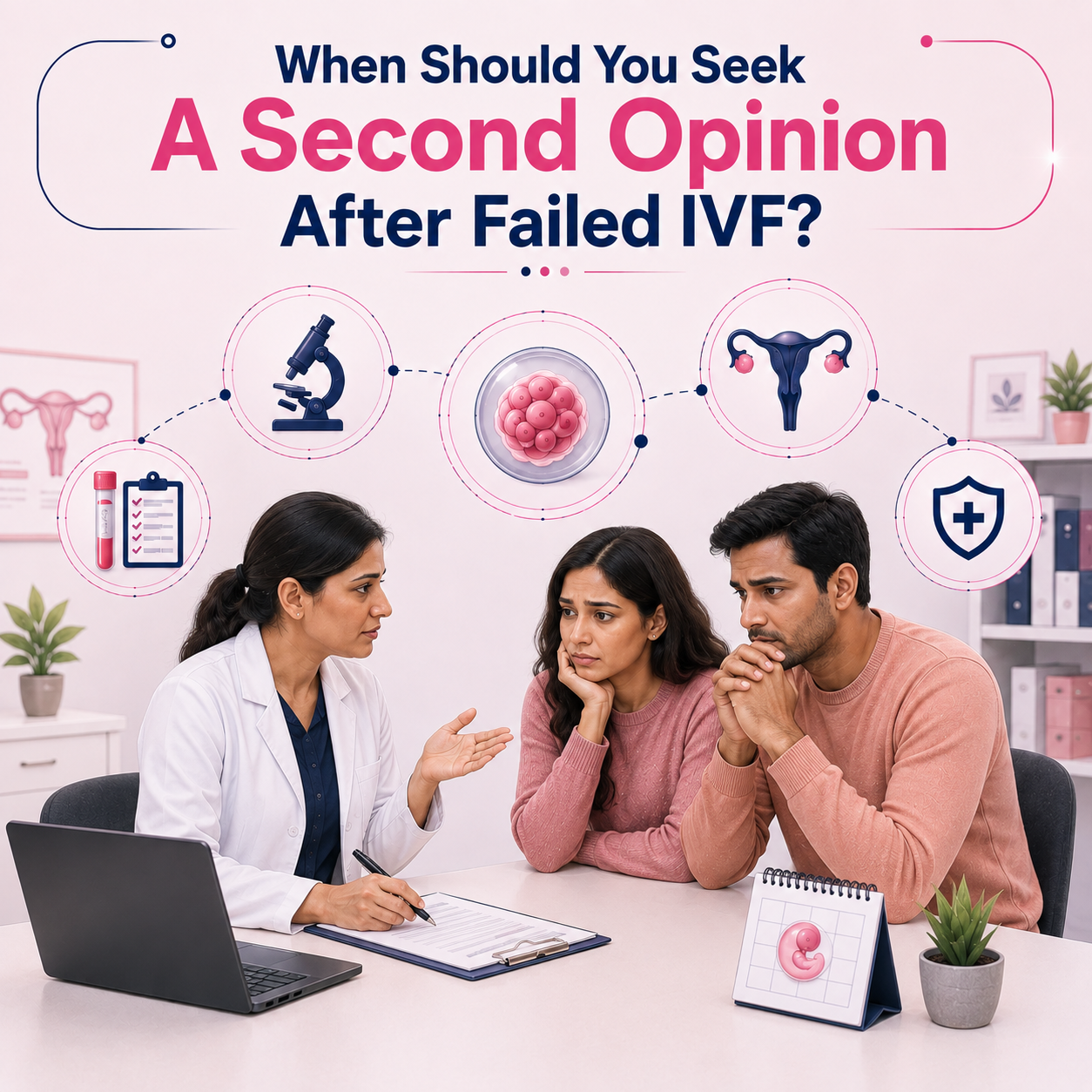
When Should You Seek a Second Opinion After Failed IVF?
A second opinion can help identify factors that may have been missed during previous treatment. It is especially worth considering if you have experienced:
- Two or more failed IVF cycles
- Repeated implantation failure
- Pregnancy loss after IVF or recurrent pregnancy loss
- Poor embryo development despite a good ovarian response
- An unclear diagnosis or no identifiable cause of infertility
A fertility specialist may review your previous treatment protocol, laboratory reports, embryo quality, uterine health, and medical history to determine whether a different approach could improve your chances of success.
How is Failed IVF Evaluated?
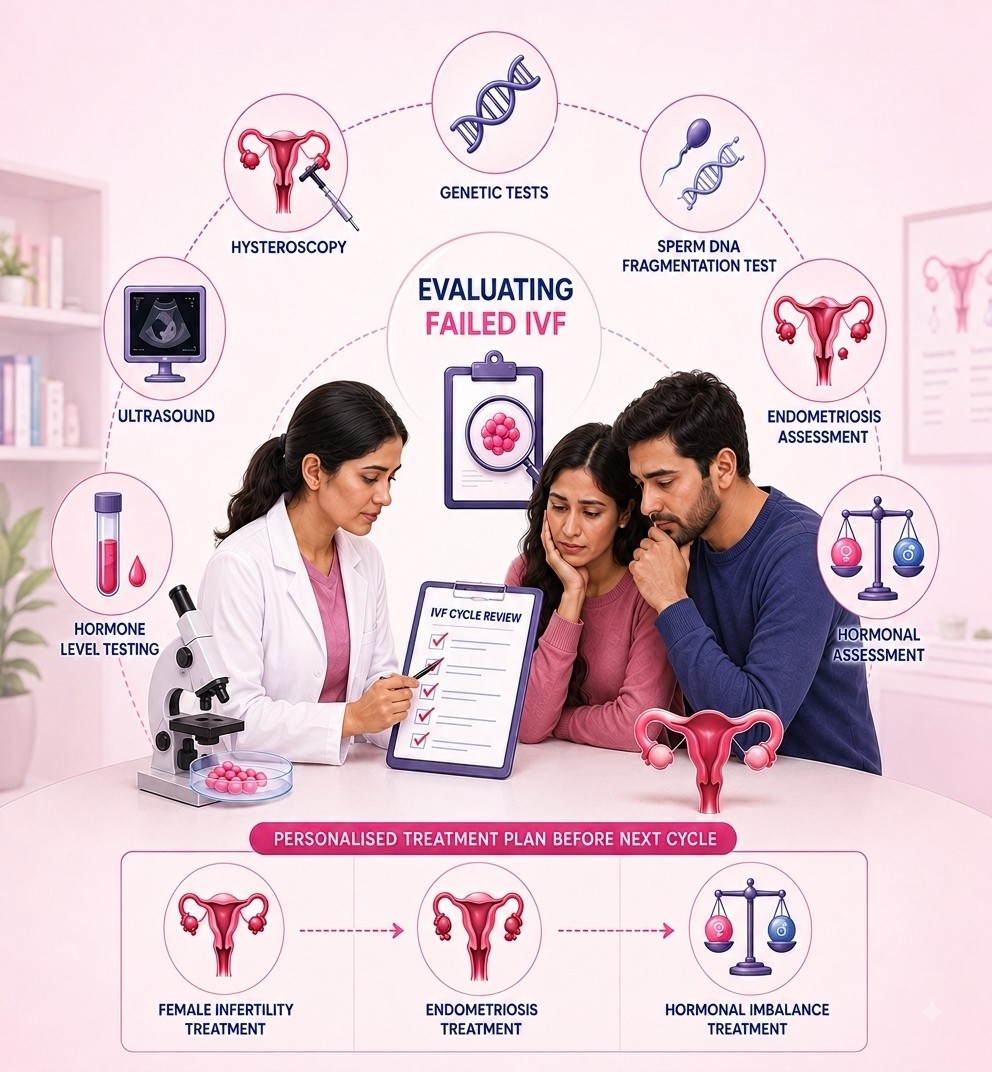
In case your IVF treatment fails, your fertility doctor will assess the complete cycle in order to determine what factors may have played a role in this.
Depending on your health history, further tests may be required. These could include hormone level testing, ultrasound, hysteroscopy, genetic tests, or even a DNA fragmentation test for the sperm. In case you have certain conditions, including endometriosis, uterine issues, or hormone imbalance, you may be advised a suitable female infertility treatment plan, endometriosis treatment, or hormonal imbalance treatment before planning your next cycle.
Advanced Treatment Options After Failed IVF
Depending on the cause of a failed IVF cycle, your fertility specialist may recommend modifying the treatment plan using advanced fertility techniques.
Blastocyst Culture
The process of Blastocyst Cultureinvolves the growth of embryos in the laboratory for five to six days prior to their transfer. With this procedure, embryos with a higher potential for development can be selected which may increase implantation success in eligible patients.
Frozen Embryo Transfer (FET)
In Frozen Embryo Transfer (FET), healthy embryos are frozen and transferred during the subsequent cycle once the uterine lining has become more receptive. In certain situations, this method may help increase the implantation rate.
ICSI
Intracytoplasmic Sperm Injection (ICSI) is a method that is usually suggested in case of male infertility. With this procedure, a single healthy sperm is directly injected into the egg to improve chances of fertilisation.
PGT
Preimplantation Genetic Testing (PGT) helps in identifying any chromosomal abnormalities in the embryos prior to their transfer. This test may be required for those couples who have multiple failed IVF cycles, recurrent miscarriages or certain genetic conditions.

Why Choose Birla Fertility & IVF for Failed IVF Cases?
At Birla Fertility & IVF, we recognise that an unsuccessful IVF cycle may be emotionally and physically overwhelming for many couples. Our specialists focus on finding out what might have gone wrong rather than following the same procedure again.
Patients benefit from:
- Personalised treatment based on past IVF experiences
- Fertility experts and embryologists who have years of experience in their field
- Advanced techniques such as ICSI, Blastocyst Culture, Frozen Embryo Transfer (FET), and PGT.
- Top-notch embryology labs with high-quality standards
- End-to-end support and counselling during the fertility journey

A failed IVF cycle does not mean another attempt will fail. Reviewing the previous cycle can help guide the next treatment plan.

Review the Previous Cycle
Your doctor reviews ovarian response, fertilisation, embryo development, implantation, and uterine factors.

Identify What May Need to Change
The previous treatment response helps determine whether your IVF protocol or approach should be adjusted.

Consider Further Evaluation
Repeated IVF failure may require additional assessment of embryo, sperm, egg, uterine, or hormonal factors.

Review the Previous Cycle
Your doctor reviews ovarian response, fertilisation, embryo development, implantation, and uterine factors.
Identify What May Need to Change
The previous treatment response helps determine whether your IVF protocol or approach should be adjusted.
Consider Further Evaluation
Repeated IVF failure may require additional assessment of embryo, sperm, egg, uterine, or hormonal factors.
What Influences IVF Success?
IVF outcomes depend on several medical and personal factors. Understanding these variables can help you navigate your fertility journey.

Age
Highest success rates for ages 24-34, which naturally declines with maternal age.

Pregnancy History
Previous successful births often correlate with higher chances of future IVF success.

Cause of Infertility
Specific factors like fibroids, ovarian dysfunction, or male factor issues impact strategy. Lorem ipsum dolor sit amet, conan...

Egg & Embryo Quality
The biological health of eggs and embryos is a cornerstone of a successful pregnancy.

Embryos Transferred
Advanced ART techniques can overcome challenges in male factor infertility.

Sperm Quality
Advanced ART techniques can overcome challenges in male factor infertility.

Donor Eggs
Utilising donor resources can significantly increase success rates for some patients.

Stimulation Protocol
Customised hormonal treatment plans tailored to your body's unique response.

Embryos Transfer Technique
Precision and timing during the transfer process are critical for implantation.

Uterine Receptivity
The environment of the uterine lining plays a vital role in successful attachment.

Lifestyle Factors
Factors such as smoking, alcohol consumption, and BMI can influence overall success rates.

Experience of the fertility centre
Experienced fertility specialists, advanced laboratories, and personalised treatment plans play an important role in IVF success.
Age
Highest success rates for ages 24-34, which naturally declines with maternal age.
Pregnancy History
Previous successful births often correlate with higher chances of future IVF success.
Cause of Infertility
Specific factors like fibroids, ovarian dysfunction, or male factor issues impact strategy. Lorem ipsum dolor sit amet, conan...
Egg & Embryo Quality
The biological health of eggs and embryos is a cornerstone of a successful pregnancy.
Embryos Transferred
Advanced ART techniques can overcome challenges in male factor infertility.
Sperm Quality
Advanced ART techniques can overcome challenges in male factor infertility.
Donor Eggs
Utilising donor resources can significantly increase success rates for some patients.
Stimulation Protocol
Customised hormonal treatment plans tailored to your body's unique response.
Embryos Transfer Technique
Precision and timing during the transfer process are critical for implantation.
Uterine Receptivity
The environment of the uterine lining plays a vital role in successful attachment.
Lifestyle Factors
Factors such as smoking, alcohol consumption, and BMI can influence overall success rates.
Experience of the fertility centre
Experienced fertility specialists, advanced laboratories, and personalised treatment plans play an important role in IVF success.