
 Our Centers


Gravid Uterus: Symptoms, Diagnosis, and Trimester-Wise Changes

Table of Contents
Pregnancy brings many changes, and we are not just talking about changes in eating habits or morning sickness. We are referring to the changes that occur within the body. During one of the many doctor visits, a term that frequently appears is “gravid uterus.”
Sounds unfamiliar, right?
While it sounds medical, the meaning of a gravid uterus is a uterus that is carrying a pregnancy. For many women, this term raises numerous questions.
Is it normal? What kind of changes can I expect? How does it affect my body? Will there be different changes during each trimester?
All these questions can be easily clarified once you have a complete understanding of a gravid uterus. From early signs and diagnosis to the remarkable changes that occur in each trimester, knowing what’s happening inside your body can ease anxiety and help you recognise what is normal and when to seek medical advice.
What is a Gravid Uterus?
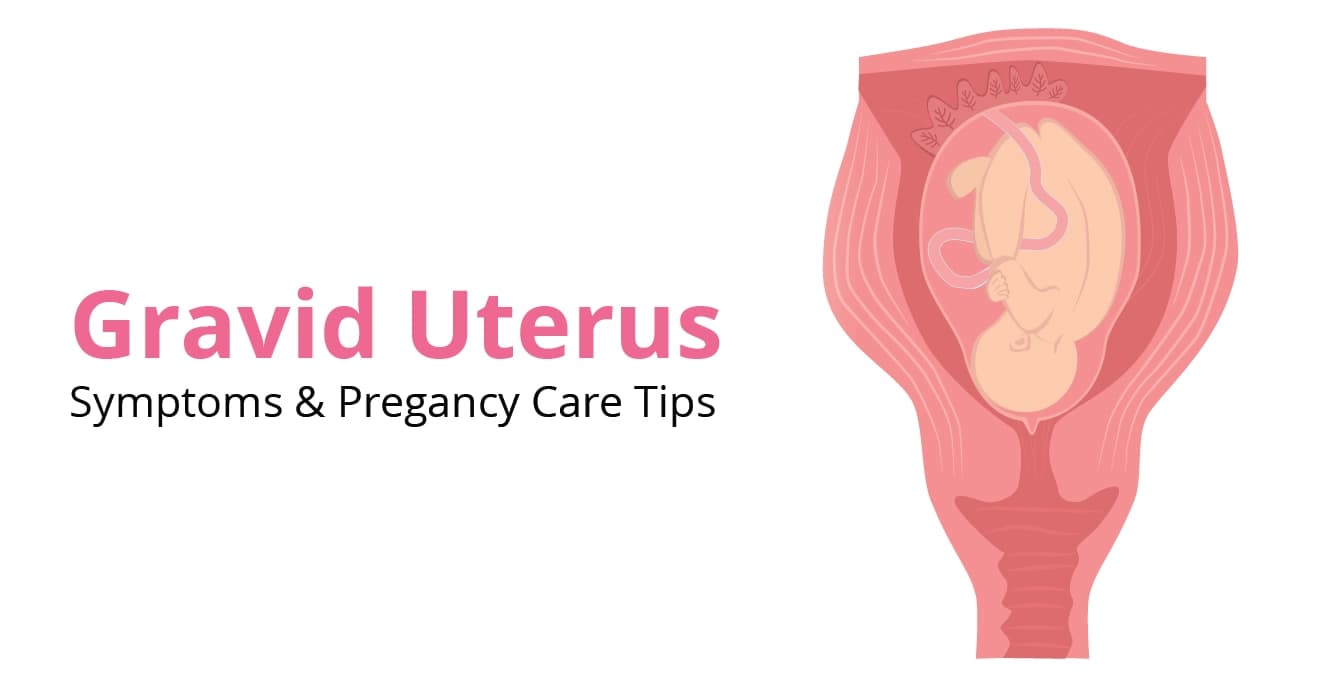
The gravid uterus is essentially a pregnant uterus with a developing embryo or fetus. The uterus undergoes significant changes throughout pregnancy to accommodate the developing fetus. The walls become thicker as a result. In medical parlance, “gravid” simply means “pregnant.” As the pregnancy progresses, the gravid uterus supports the growth of the fetus by facilitating the development of the placenta, which provides essential nutrition and oxygen. These modifications provide the embryo with a favourable environment for growth, which ultimately leads to birth.
Symptoms of Gravid Uterus
As a gravid uterus expands and changes position, it can produce a number of obvious symptoms. Typical signs and symptoms include:
- Moderate pelvic pressure
- Soreness in the lower back
- Sharp, fleeting twinges near the hips or lower abdomen are common symptoms of discomfort in the round ligaments.
- A sensation of pelvic weight
- Changes in posture brought on by the change in body weight
Clinical Assessment of the Gravid Uterus
Confirming pregnancy, tracking its development, and spotting any issues early on all depend on an accurate diagnosis. The following are the primary techniques for identifying a gravid uterus:
1. Medical history and symptoms
The first thing that the doctor will ask you is about your missed menstrual periods. In case you are experiencing nausea, vomiting, or breast tenderness, then you must consult with your healthcare provider. Bring all your past medical history reports in case they are required.
2. Physical examination
Next, a pelvic exam is done to detect uterine enlargement. The softening of the cervix is checked along with changes in uterine consistency.
3. Laboratory tests
A positive β-hCG (beta-human chorionic gonadotropin) test in blood or urine is done. Hormone levels are also monitored to assess early pregnancy.
4. Imaging tests
Next, sonography is done to confirm a gravid uterus. Assessment of fetus heartbeat, gestational age, and uterine structure follows.
Early diagnosis ensures proper antenatal care and monitoring throughout pregnancy.
How the Uterus Changes in Pregnancy
The uterus undergoes significant changes throughout pregnancy to support the developing fetus. Size, form, position, and function are all impacted by the gradual changes that occur over the course of the three trimesters.
The main uterine alterations that occur during each trimester are summed up in the table below:
|
Trimester |
Uterine Changes |
|
First Trimester |
During this time, the uterus begins to expand and becomes more globular. To facilitate implantation and early fetal growth, the cervix softens (Goodell’s sign), and early vascular alterations occur. There may be slight stretching or cramping feelings. |
|
Second Trimester |
During this period, the uterus expands more, rising above the pelvis. The blood flow increases to meet the demands of the fetal. Ligaments stretch, which can sometimes cause pain in the round ligament. The fundus height becomes measurable for monitoring growth and development. |
|
Third Trimester |
During this period, the uterus reaches its maximum size. It basically extends to the ribcage. Muscles stretch and thin; position may shift slightly as the baby descends. Pre-labor changes include uterine tightening and increased contractility, which prepare the uterus for childbirth. |
Care and Management During a Gravid Uterus
Even though a gravid uterus is completely normal during pregnancy, there are some ways that help with the same:
- Frequent Antenatal Care: Monitor the mother’s health, fetal development, and uterine growth by attending periodic check-ups.
- Balanced Nutrition: To promote uterine and foetal growth, eat a diet high in protein, vitamins, and minerals.
- Hydration and Rest: Drinking enough water and getting enough sleep help keep the uterus healthy and avoid problems like premature contractions.
- Let go of Bad Habits: Steer clear of smoke, alcohol, and prescription drugs.
- Medical Intervention When Needed: Treatment under medical supervision may be necessary for conditions such as uterine fibroids, irregular bleeding, or other related issues.
- Exercise & Gentle Activity: Engaging in light exercises, prenatal yoga, and walking can help improve blood flow and uterine health.
Note: A gravid uterus itself does not need treatment; focus is on supportive care and monitoring throughout pregnancy.
The Bottom Line
Understanding the gravid uterus is really about understanding your own experience. When you know how your uterus changes and why those changes happen, you can respond to your symptoms with more clarity instead of worry. It helps you recognise what feels normal for your pregnancy and when something deserves attention.
You may trust the indications your body provides. You don’t have to deal with the strange feelings that come with pregnancy on your own. Taking care of yourself and your child involves asking questions, seeking reassurance, and staying informed.
You are not attempting to learn medical jargon by studying the functioning of the gravid uterus. You’re empowering yourself to navigate pregnancy with understanding, assurance, and a feeling of collaboration with your medical team.
FAQs
Is a gravid uterus harmful in pregnancy?
No, a gravid uterus is not harmful in pregnancy.
Can a non gravid uterus become a gravid uterus?
Yes, a non-gravid uterus can become gravid after a woman becomes pregnant. It typically occurs when the uterus is preparing to carry a pregnancy.
What is the position of the gravid uterus?
The gravid uterus is usually anteverted or slightly tilted forward in early pregnancy. However, as it enlarges, it rises into the abdominal cavity, and its position can vary depending on gestational age and individual anatomy.
What size is a gravid uterus?
The size of a gravid uterus changes with pregnancy:
- During the first trimester, the gravid uterus is about the size of a fist or an orange, which is approximately 7-8 cm in length.
- During the second trimester, the uterus enlarges roughly to the size of a papaya. The fundal height rises above the pelvis area.
- During the third trimester, the uterus reaches a position near the level of the rib cage, measuring approximately 30-35 cm in length. This is when it is ready to accommodate full-term fetal growth.
Does a gravid uterus cause pain?
A gravid uterus itself is usually not painful, but many women may experience mild cramping, stretching, or back discomfort as the uterus grows and ligaments stretch during pregnancy.
How common is the gravid uterus?
It is very common and typically occurs during most of pregnancy.
Our Fertility Specialists


Kolkata New Town, West Bengal
Dr. Aaheli Maiti
MBBS, MS (Obstetrics & Gynaecology)


Gorakhpur, Uttar Pradesh
Dr. Akriti Gupta
MBBS, MS (Obstetrics & Gynaecology)

Siliguri, West Bengal
Dr. Angana De
MBBS, MD, Fellowship in Reproductive Medicine

Vijayapura, Karnataka
Dr. Ashwini Karjol
MBBS, MS, FRM

Palakkad, Kerala
Dr. Kalpana P
MBBS, MS, DNB, FNB in Reproductive Medicine

Varanasi, Uttar Pradesh
Dr. Pragati Bharati
MBBS, MS (Obstetrics and Gynaecology)

Koramangala, Karnataka
Dr. Snehadarshini Karanth
MBBS, MS (Obstetrics & Gynaecology), FRM
Related Blogs




To know more
Birla Fertility & IVF aims at transforming the future of fertility globally, through outstanding clinical outcomes, research, innovation and compassionate care.


Had an IVF Failure?
Talk to our fertility experts