
 Our Centers
 Select City


 Select City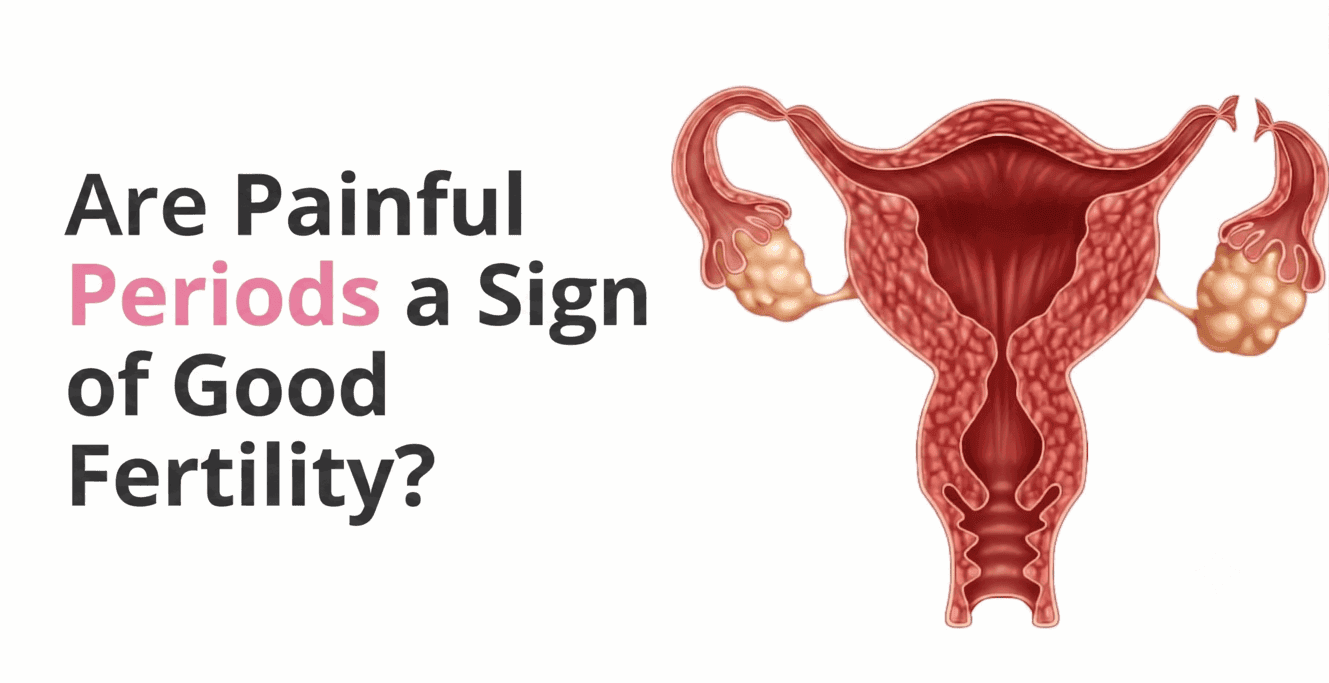
Are Painful Periods a Sign of Good Fertility?

Table of Contents
- What Causes Painful Periods?
- Are Painful Periods a Sign of Good Fertility?
- Can Painful Periods Affect Fertility?
- Conditions That Can Cause Painful Periods and Affect Fertility
- How Much Period Pain Is Normal?
- When Should You See a Fertility Specialist?
- How Are Painful Periods Diagnosed?
- Treatment Options for Painful Periods
- How Much Does Diagnosis and Treatment Cost?
- FAQs
Period pain is common but does it say anything about your fertility? Many women wonder whether painful periods mean they are ovulating well or whether severe cramps could make it harder to get pregnant.
The answer is not quite that simple. Painful periods are not a sign of good fertility, but they are not necessarily a sign of infertility either. In some cases, cramps are a normal part of menstruation. In others, particularly when the pain is severe or worsening, they may point to an underlying condition that can affect fertility.
Understanding the difference can help you know when period pain is nothing to worry about and when it deserves a closer look.
What Causes Painful Periods?
Painful periods, medically called dysmenorrhea, usually cause cramping in the lower abdomen. Some women may also experience back pain, nausea, headaches or loose stools.
There are two main types.
Primary dysmenorrhea
Primary dysmenorrhea is period pain that is not caused by another pelvic condition. It often starts during adolescence and is linked to prostaglandins, chemicals that make the uterus contract during menstruation. For many women, these cramps are uncomfortable but temporary and do not affect fertility.
Secondary dysmenorrhea
Secondary dysmenorrhea happens because of an underlying reproductive health condition. It may develop later in life, become more painful over time or continue beyond the first few days of the period. Endometriosis, adenomyosis and fibroids are some common causes.
Are Painful Periods a Sign of Good Fertility?
This is a common misconception. Since menstruation is part of the reproductive cycle, it is easy to assume that feeling strong cramps means the reproductive system is functioning well.
Why this myth exists
Menstrual cramps happen because the uterus contracts to shed its lining. However, the intensity of these contractions does not tell us whether a woman is ovulating, whether her egg quality is good or whether she can conceive.
So, if you have been wondering, “Do painful periods mean you are fertile?”, the answer is no.
What science says
There is no established link between the severity of period pain and fertility. A woman can have painful periods and conceive naturally, while another woman may have almost no period pain and still experience difficulty getting pregnant. In other words, period pain and pregnancy chances are not directly connected.
Can Painful Periods Affect Fertility?
The cramps themselves usually do not cause infertility. What matters is why the pain is happening.
When cramps are unlikely to affect fertility
Mild or moderate cramps that occur around the beginning of your period and improve within a few days are often due to primary dysmenorrhea. When there is no underlying reproductive condition, these menstrual cramps generally do not interfere with ovulation, fertilisation or pregnancy.
When pain may signal an underlying fertility issue
Severe or progressively worsening menstrual pain can sometimes be associated with conditions that affect reproductive health. For example, endometriosis may cause painful periods as well as difficulty conceiving. Fibroids, adenomyosis and previous pelvic infections can also affect fertility in some women.
This does not mean that every woman with these conditions will experience female infertility. The effect depends on the condition, its severity and other fertility factors.
Conditions That Can Cause Painful Periods and Affect Fertility
Period pain causes that can also affect fertility can vary from one woman to another. Here are some key causes:
Endometriosis
Endometriosis occurs when tissue similar to the uterine lining grows outside the uterus. Severe period pain is one of its common symptoms, although symptoms vary from person to person.
It may also cause pelvic pain, pain during sex (dyspareunia) and, in some women, difficulty conceiving. The relationship between endometriosis and fertility is complex, and many women with the condition can still become pregnant.
Adenomyosis
Adenomyosis occurs when tissue similar to the uterine lining grows into the muscular wall of the uterus. It can cause painful or heavy periods and pelvic discomfort. Some studies have found an association between adenomyosis and reduced fertility, although having the condition does not automatically mean a woman cannot conceive.
Fibroids
Fibroids are non-cancerous growths that develop in or around the uterus. They may cause heavy bleeding, pelvic pressure or painful periods. Whether fibroids affect fertility depends largely on their size and location. Fibroids that distort the uterine cavity may have a greater impact on conception or pregnancy.
Pelvic inflammatory disease
Pelvic inflammatory disease (PID) is an infection of the female reproductive organs, often linked to certain sexually transmitted infections. If left untreated, PID can damage the fallopian tubes and increase the risk of infertility. Pelvic pain may occur along with abnormal discharge, painful sex or irregular bleeding.
Ovarian cysts
Ovarian cysts are common and many disappear on their own without treatment. However, some types, particularly cysts associated with endometriosis, can cause significant pain and may be linked with fertility concerns. The impact depends on the type of cyst and the underlying cause.
How Much Period Pain Is Normal?
Some cramping during menstruation is common. But severe menstrual cramps that interfere with everyday life should not simply be accepted as normal.
- Pain that affects daily activities: If cramps prevent you from working, studying, exercising or sleeping normally, they deserve medical attention.
- Pain that is getting worse: Period pain that becomes more severe over time may need evaluation for an underlying condition.
- Pain with other symptoms: Very heavy bleeding, pelvic pain between periods, painful sex or significant changes in your menstrual cycle are worth discussing with a doctor.
- Pain with difficulty conceiving: If you are trying to get pregnant and have persistent or severe period pain, a fertility evaluation may help identify possible causes.
When Should You See a Fertility Specialist?
You should visit a fertility specialist in the following cases:
- Severe or worsening period pain: If your cramps are severe, getting worse with time or affecting your daily activities, consider getting evaluated.
- Pain with other symptoms: Heavy bleeding, pain during sex, persistent pelvic pain or irregular periods may need further assessment.
- Difficulty conceiving: If you have been trying to conceive without success, especially alongside painful periods, a fertility evaluation can help identify possible causes.
- Known fertility-related conditions: If you have endometriosis, fibroids, adenomyosis or a history of pelvic infections, your doctor may recommend an earlier fertility assessment.
Generally, fertility evaluation is recommended after 12 months of regular unprotected intercourse if the woman is under 35. For women aged 35 or older, an evaluation is generally advised after six months. Earlier assessment may be recommended when there are known fertility concerns or significant symptoms.
How Are Painful Periods Diagnosed?
Diagnosis usually begins with a discussion about your symptoms. Your doctor may ask when the pain starts, how long it lasts, how severe it is and whether your periods have changed.
Medical and menstrual history
Your doctor may ask about your cycle, bleeding pattern, pain severity and other symptoms to understand what could be causing the discomfort.
Pelvic examination
A pelvic examination may be recommended depending on your symptoms and medical history. It helps in identifying any tenderness, swelling or abnormalities in reproductive organs.
Ultrasound
An ultrasound can help identify conditions such as fibroids, ovarian cysts or changes that may suggest adenomyosis.
Additional tests
Blood tests, infection testing or other imaging and procedures may be recommended when clinically appropriate.
If you are also having difficulty conceiving, fertility tests may be advised to assess ovulation, ovarian reserve, the uterus and fallopian tubes.
Treatment Options for Painful Periods
The treatment for painful periods depends on its root cause. Below are some common approaches:
Pain-relieving medicines
Medicines such as NSAIDs may help reduce menstrual cramps by lowering prostaglandin levels, which are involved in uterine contractions. They are commonly used for primary dysmenorrhea and are generally most effective when taken as advised by a doctor.
Heat therapy
Applying a heating pad or hot water bottle to the lower abdomen may help relax the uterine muscles and ease cramps. It can be used alongside other pain-relief measures for temporary symptom relief.
Hormonal treatment
Hormonal contraceptives may be recommended for some women to make periods lighter and less painful. The choice depends on overall health, symptoms and whether pregnancy is currently being planned.
Treatment for the underlying cause
When painful periods are caused by conditions such as endometriosis, fibroids or adenomyosis, treatment focuses on managing the underlying condition. The approach may include medicines, monitoring or surgery, depending on the condition and its severity.
Fertility-focused treatment
If painful periods occur alongside difficulty conceiving, the treatment plan may address both the underlying condition and fertility. Depending on the individual case, fertility medicines, IUI or IVF may be considered.
How Much Does Diagnosis and Treatment Cost?
The cost of diagnosing painful periods can vary depending on the suspected cause and the tests required. In India, a gynaecologist consultation may cost around ₹500–₹2,000, while a pelvic ultrasound may cost approximately ₹800–₹2,500. Additional tests for conditions such as endometriosis, fibroids or fertility concerns can increase the overall cost. Treatment costs also depend on whether medication, surgery or fertility treatment is needed.
If fertility evaluation is involved, ask the clinic for a clear breakdown of consultation, investigations, medicines and procedures so you know what is included in the overall treatment plan.
FAQs
Do painful periods indicate infertility?
No. Painful periods do not automatically indicate infertility. However, severe or worsening pain can sometimes be a symptom of conditions such as endometriosis or adenomyosis that may affect fertility.
What are the first signs of infertility in females?
Infertility often has no obvious symptoms. Irregular or absent periods, certain reproductive conditions, previous pelvic infections and difficulty conceiving may indicate that a fertility evaluation is needed.
Is period pain good for fertility?
No. Period pain is not an indicator of good fertility. Mild cramps can be a normal part of menstruation, but the severity of cramps does not tell you how fertile you are.
What are good signs that I am fertile?
Regular menstrual cycles can suggest that ovulation is occurring, but they cannot confirm fertility. Fertility depends on several factors, including ovulation, egg health, the fallopian tubes and the uterus.
What are the 4 stages of fertility?
The menstrual cycle has four commonly described phases: menstruation, the follicular phase, ovulation and the luteal phase. These describe changes during the menstrual cycle rather than four stages of fertility.
What are signs you are not fertile?
There is no single symptom that can confirm infertility. Irregular or absent periods, certain reproductive conditions and difficulty conceiving may be reasons to seek a fertility evaluation.
Our Fertility Specialists
To know more
Birla Fertility & IVF aims at transforming the future of fertility globally, through outstanding clinical outcomes, research, innovation and compassionate care.


Had an IVF Failure?
Talk to our fertility experts