
 Our Centers


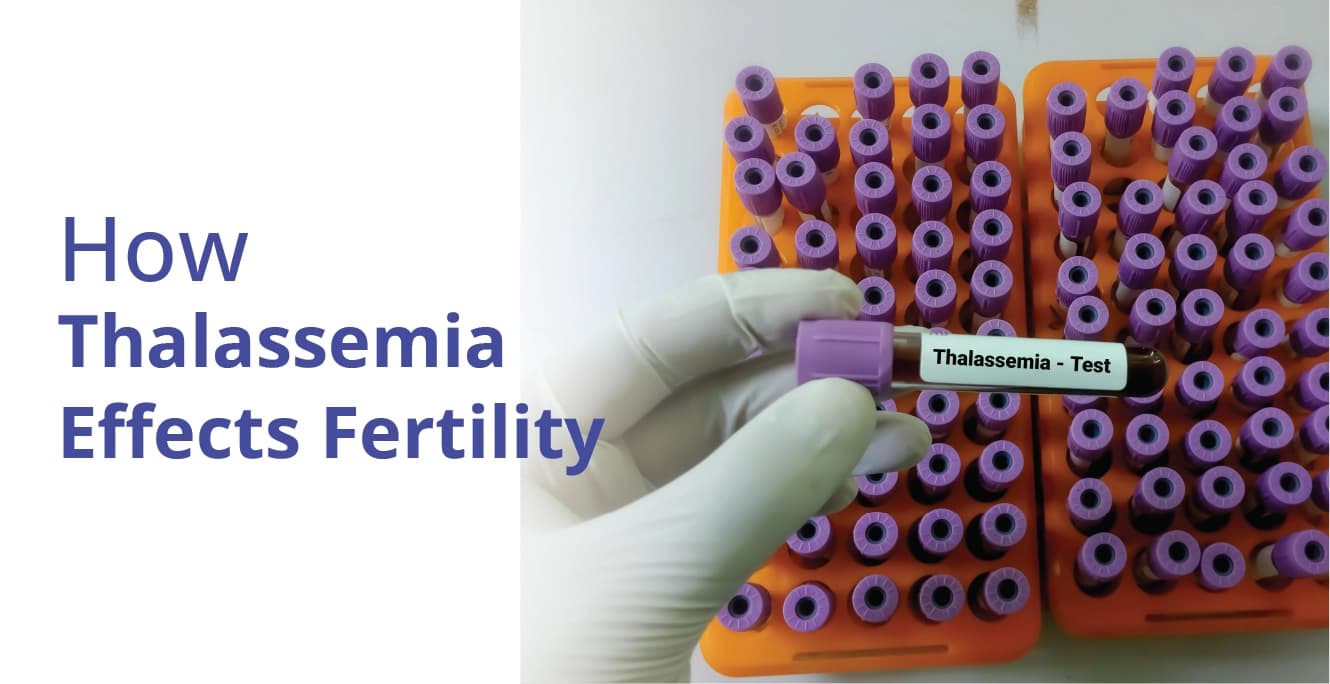
How Thalassemia Effects Fertility

Table of Contents
- What is Thalassemia?
- Types of Thalassemia
- Symptoms of Thalassemia
- Causes of Thalassemia
- Diagnosis of Thalassemia
- Can Thalassemia Patients Conceive Naturally?
- What is the Impact of Thalassemia on Fertility?
- Fertility Treatments Available for Thalassemia Patients
- What is the Impact of Thalassemia on Pregnancy?
- What Precautions Should be Taken by a Thalassemia Patient Before or During Pregnancy?
- The Closing Note
- FAQs
Living with thalassemia may bring unique physical and emotional challenges, but today, many people live with it confidently, thanks to better awareness and advanced medical care. As more individuals with thalassemia plan their future, whether it is education, career, or relationships, the questions around fertility and pregnancy naturally come up. The good news is that with the right guidance and timely care, safe fertility planning and healthy parenthood are very much possible. Let’s understand this in detail.
What is Thalassemia?
Thalassemia is a genetic blood disorder that affects the ability of the body to produce healthy red blood cells. Red blood cells contain haemoglobin, which is responsible for transporting oxygen throughout our body. In thalassemia, there is a defect in the genes responsible for producing haemoglobin, which leads to fewer or abnormal red blood cells. This makes thalassemia people more vulnerable to anaemia, fatigue, and weakness. They may also require blood transfusions based on the severity of the condition.
Types of Thalassemia
Thalassemia is broadly divided into two main types based on which part of the haemoglobin protein is affected, alpha or beta. Each type has different levels of severity.
Alpha Thalassemia |
Beta Thalassemia |
This occurs when one or more of the four alpha-globin genes are mutated or missing. The severity depends on how many genes are affected:
|
This occurs when one or both beta-globin genes are defective. It is classified into:
|
Symptoms of Thalassemia
Milder forms may have no symptoms at all, while severe thalassemia often shows signs early in life. Therefore, symptoms may vary based on the type and severity of thalassemia. Some common onces include:
- Persistent tiredness or fatigue
- Pale or yellowish skin
- Slow growth in children
- Bone deformities (especially in the face)
- Enlarged spleen
- Shortness of breath
- Frequent infections
- Poor appetite in children
Causes of Thalassemia
Thalassemia is an inherited disorder and is not caused by lifestyle, diet, or stress factors. The chances depend on the genetic makeup of the parents:
| Parents’ Status | Risk to Child |
| Both parents are carriers |
|
| One carrier + one normal parent |
|
| Both parents normal |
|
| One parent has thalassemia major + one normal parent |
|
| One parent has thalassemia major + one carrier |
|
Diagnosis of Thalassemia
Early diagnosis helps manage symptoms effectively and plan future fertility or pregnancy care. It usually involves a combination of the following tests:
- Complete Blood Count (CBC): This test helps detect anaemia and shows whether the red blood cells are smaller or paler than normal, which is often seen in thalassemia.
- Haemoglobin Electrophoresis: It identifies abnormal forms of haemoglobin in the blood and helps confirm if someone has thalassemia or is a carrier.
- Iron Studies: These tests measure iron levels in the body to distinguish thalassemia from iron-deficiency anaemia and check for iron overload from transfusions.
- Prenatal Testing: Chorionic villus sampling or amniocentesis is performed to check whether the baby has inherited thalassemia.
- Genetic Testing: It is important to detect specific mutations in DNA that are responsible for this condition.
Can Thalassemia Patients Conceive Naturally?
Yes, many thalassemia patients conceive naturally, especially those with:
- Thalassemia minor
- Well-controlled iron levels
- Regular menstrual cycles
- Normal hormone levels
- Adequate sperm parameters
However, severe forms of thalassemia may require medical support or fertility treatments, and a comprehensive fertility evaluation.
What is the Impact of Thalassemia on Fertility?
Thalassemia does not directly impact fertility, but the complications associated with this disorder can impact fertility in the following ways:
- Risk Due to Iron Overload: Frequent blood transfusions are required to treat thalassemia. This can cause excess iron build-up in hormone-regulating organs. This iron overload may affect ovulation in women and testosterone production in men, affecting their fertility.
- Hormonal Imbalances: In thalassemia, there is a lesser secretion of sex hormones, a condition known as hypogonadism. This may affect menstruation and ovulation in women, low sperm count or poor sperm quality in men, and reduced libido in both men and women.
- Delay in Puberty: Children with thalassemia major may experience a delay in puberty, which can affect their future fertility potential.
- Risk of Organ Damage: Severe iron overload can affect multiple organs, including the heart, liver, and endocrine glands. This causes an indirect impact on fertility.
Fertility Treatments Available for Thalassemia Patients
If thalassemia affects fertility, the following treatment options are available:
- Hormone Therapy: It is used to manage ovulation issues, low testosterone levels, and irregular menstrual cycles. It helps restore natural fertility in many cases.
- Ovulation Induction: Medications like letrozole or clomiphene may be used to help women ovulate regularly.
- In Vitro Fertilisation: IVF is recommended in any of the following cases:
- Hormonal treatments fail to improve fertility
- Sperm count or quality is very low
- When couples wish to undergo embryo-level genetic testing (PGT-M) to reduce the risk of passing thalassemia to their child
- ICSI for Men: If sperm concentration or motility is poor, Intracytoplasmic Sperm Injection (ICSI) can improve fertilisation rates.
- Donor Options: In severe infertility cases, donor egg or donor sperm may be considered.
What is the Impact of Thalassemia on Pregnancy?
The following challenges may occur:
- The anaemia can worsen during pregnancy, requiring more blood transfusions.
- There is an increased risk of gestational diabetes.
- There are chances of heart strain if iron levels are not controlled.
- Chances of preterm birth are high.
What Precautions Should be Taken by a Thalassemia Patient Before or During Pregnancy?
The following precautions can help:
- Consulting a haematologist and fertility specialist before trying to conceive helps plan a safe pregnancy journey by understanding individual risks.
- Screening of the partner is important to ensure that you understand the genetic risks for your baby. This helps guide further steps, such as genetic counselling.
- Maintaining the iron levels in a safe range before pregnancy reduces strain on the heart, liver, and hormonal systems. This makes pregnancy safer for both mother and baby.
- Regular checks ensure personalised care throughout pregnancy, including managing anaemia, blood transfusions, and overall well-being.
The Closing Note
We understand that living with thalassemia can be challenging, but with timely medical support and consistent care, many people with thalassemia live fulfilling lives, and those who want to become parents can do so. At Birla Fertility & IVF, our experienced and highly skilled fertility specialists can help you plan your pregnancy journey with utmost care so that you have a safe pregnancy despite this condition.
FAQs
Is there any effect of thalassemia on male fertility?
Yes, thalassemia can also have an indirect impact on male fertility. This is because long-term iron overload due to regular blood transfusions can affect testosterone levels and sperm production in men. However, with the right treatment approach, many men successfully embrace fatherhood.
What is the maximum age of thalassemia patients?
Life expectancy can differ based on the severity of the condition. However, many thalassemia patients can live into their 50s or beyond with advanced medical care.
What happens if a baby is born with thalassemia major?
In case of thalassemia major, there is a chance that the baby may develop anaemia early in life. This may create a need for regular blood transfusions and monitoring.
Our Fertility Specialists


Lucknow, Uttar Pradesh
Dr. Shreya Gupta
MBBS, MD (Obstetrics & Gynaecology), DNB (Obstetrics & Gynaecology)


Varanasi, Uttar Pradesh
Dr. Deepika Mishra
MBBS, MS (Obstetrics & Gynaecology)

Lajpat Nagar, Delhi
Dr. Muskaan Chhabra
MBBS, MS (OBGY), DNB (OBGY), MNAMS, MRCOG1
Kolkata, West Bengal
Dr. Swati Mishra
MBBS, MS (Obstetrics & Gynaecology)

Gurgaon – Sector 14, Haryana
Dr. Prachi Benara
MBBS (Gold Medalist), MS (OBG), DNB (OBG), PG Diploma in Reproductive and Sexual health
Related Blogs



To know more
Birla Fertility & IVF aims at transforming the future of fertility globally, through outstanding clinical outcomes, research, innovation and compassionate care.


Had an IVF Failure?
Talk to our fertility experts