
 Our Centers


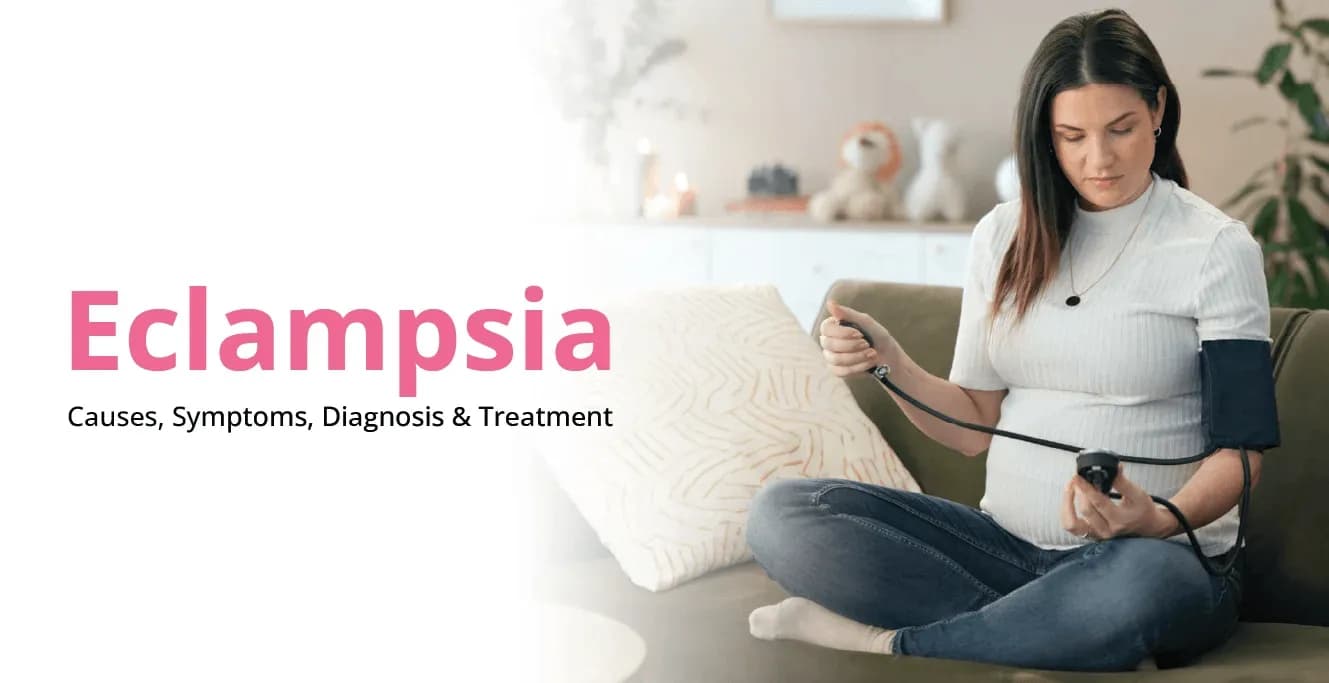
Eclampsia: Causes, Symptoms, Diagnosis & Treatment

Table of Contents
Did you know that high blood pressure during pregnancy isn’t always just a minor concern?
It can sometimes signal a serious condition that affects both mother and baby.
Understanding preeclampsia and its rare complication, eclampsia, is crucial for every expectant mother.
Preeclampsia is a pregnancy complication that typically occurs when a woman develops high blood pressure and protein in her urine. On the other hand, eclampsia occurs when preeclampsia worsens and a person begins to have seizures. Because of abnormal brain activity, these seizures are characterised by a great deal of violent shaking and bewilderment. Seizures that persist after delivery are known as postpartum eclampsia. Because this issue can impact both the mother and the foetus, those who are affected should get medical attention as soon as possible.
How Does Eclampsia Differ from Preeclampsia?
Eclampsia and preeclampsia are both pregnancy-related issues; however, they are different from each other. The symptoms of preeclampsia, which often appear after 20 weeks of pregnancy, include elevated blood pressure, protein in the urine, and facial, foot, or hand swelling.
They signal a state of stress on the body’s organs, particularly the kidneys and liver. Preeclampsia can develop into eclampsia, a more severe illness characterised by seizures or convulsions, if treatment is delayed. These seizures can be dangerous for both the mother and the unborn child and are brought on by the brain effects of extremely high blood pressure.
Thankfully, better prenatal care has made eclampsia uncommon nowadays. Preventing preeclampsia from progressing to eclampsia through appropriate treatment, early diagnosis, and routine monitoring is essential for a safer pregnancy and delivery for both mother and child.
Causes and Risk Factors of Eclampsia
Eclampsia is mainly associated with issues pertaining to the placenta. These tissues disturb the blood flow between the mother and the fetus. It happens because of preeclampsia, but the exact pathophysiology of eclampsia is still unknown. Here are some of the causes & risk factors:
- You may be more susceptible to recurrent preeclampsia or eclampsia if you have a history of preeclampsia from prior pregnancies.
- If you have any kidney illness or persistently high blood pressure.
- If you are expecting triplets or twins.
- Whether you are under the age of eighteen or over thirty-five.
- Whether you are overweight or have diabetes.
- The occurrence of eclampsia can be influenced by socioeconomic factors and healthcare access.
Common Symptoms of Eclampsia
Before you develop any severe symptoms, your body may exhibit a number of warning indicators of eclampsia. Among them are:
- Excruciating headaches
- Breathing difficulties
- Vomiting or feeling queasy
- Pain in the upper right abdomen
- Double or blurred vision
- Hand, facial, or ankle swelling
You might, however, occasionally directly encounter the main symptoms of eclampsia. These are:
- Seizures (uncontrollable shaking)
- Severe confusion or disorientation
- Loss of consciousness
If you want to prevent any further complications, then we would suggest you go for an early diagnosis as soon as you recognise any of the above-mentioned symptoms.
Potential Complications for Mother and Baby
There are some serious complications that can happen when preeclampsia or eclampsia goes undetected or if it is not treated in time. It can affect both the mother and the baby.
Complications for the mother:
- High blood pressure can damage vital organs like the liver, kidneys, brain, and heart.
- There can be fluid buildups in the lungs.
- Chances of abdominal pain, severe headaches, vision changes, and more.
- Lead to HELLP syndrome, which is a severe liver and blood-clotting disorder.
- Some cases can result in stroke or organ failure.
- Seizures associated with eclampsia can raise the risks of pregnancy and delivery even further.
Complications for the baby:
- Reduced blood flow through the placenta can limit oxygen and nutrient supply.
- There is a chance of restricted growth of the baby, also called IUGR (Intrauterine Growth Restriction)
- In some cases, there is a high risk of preterm birth.
- In severe cases, it can result in placental abruption or even stillbirth.
However, most of these issues can be avoided and managed with routine prenatal check-ups. Your doctor would recommend that you go for early diagnosis and treatment. It ensures the safety of both the mother and the unborn child during and after pregnancy.
How Is Eclampsia Diagnosed?
There are a couple of steps that need to be followed when diagnosing eclampsia. Here are the steps:
Clinical Evaluation
The first step of diagnosing eclampsia is going for a complete clinical evaluation. The doctors will have a thorough check, including your past medical history. Details about prior pregnancies, any current illnesses, and symptoms are properly evaluated. Blood pressure, reflexes, and any indications of neurological impairments or swelling will all be evaluated during a physical examination.
Diagnostic Tests
To determine the severity of the condition and confirm eclampsia, a number of diagnostic tests may be used:
- Blood tests: These tests help assess the platelet counts, electrolyte levels, and liver and kidney function.
- Urinalysis: To detect the presence of protein in the urine, a crucial sign of preeclampsia.
- Imaging Tests: Placental function and foetal health can be evaluated by ultrasound.
- Electroencephalogram (EEG): To assess seizure activity, an EEG may occasionally be conducted.
Treatment Options For Eclampsia
Medical Treatments
Eclampsia is usually treated with hospitalisation and prompt medical attention. Important choices for treatment include:
- Anticonvulsants: The first-line medication for stopping and managing seizures is magnesium sulphate. It helps stabilise the mother’s condition and is given intravenously.
- Antihypertensives: To avoid more problems, blood pressure-lowering medications may be required.
- Delivery: There can be two types of deliver, vaginal or a caesarean. This depends on the clinical circumstances.
Non-Pharmacological Treatments
There are some non-pharmacological treatments as well that can help with the general health:
- Lifestyle Changes: It is advised to follow a healthy and balance diet along with consistent exercise (yoga).
- Prenatal Care: Early diagnosis helps manage future complications. It can be done with routine prenatal monitoring and examinations.
Special Considerations
Different populations could need different strategies:
- Paediatric: Although eclampsia in teenagers is uncommon, people with a history of seizures need to be closely watched.
- Geriatric: Pregnant women who are older may have extra health issues that need to be carefully managed.
Preventive Measures and Early Detection
Strategies for Prevention
Addressing risk factors and advancing maternal health are essential to preventing eclampsia:
- Frequent Prenatal Care: Blood pressure monitoring and the identification of preeclampsia symptoms can be aided by early and regular prenatal visits.
- Healthy Lifestyle: Regular physical activity and a diet full of fruits, vegetables, and whole grains can help lower risk.
- Education: Early detection and treatment of preeclampsia and eclampsia can result from educating expecting women about their symptoms.
Recommendations
- Vaccinations: Maintaining current immunisations will help avoid illnesses that could make preeclampsia worse.
- Hygiene Practices: Pregnancy-related illnesses can be prevented with proper hygiene.
- Dietary Changes: Consuming enough calcium and magnesium can help reduce blood pressure.
Recovery and Postpartum Care
- Blood Pressure Monitoring: Following birth, blood pressure may continue to rise for several days or weeks. Frequent examinations are necessary.
- Medications: To regulate blood pressure and avoid complications like stroke, doctors may recommend medications.
- Emotional Health: Postpartum depression, stress, and anxiety are all possible for women. It’s crucial to have support from family, medical professionals, or counsellors.
- Healthy Lifestyle: Recuperation and blood pressure maintenance are aided by a balanced diet, moderate exercise, enough sleep, and abstinence from alcohol and tobacco.
- Follow-up Care for the Baby: Paediatric examinations, feeding assistance, and tracking developmental milestones are crucial, particularly for babies born prematurely or with low birth weights.
- Ongoing Medical Supervision: After delivery, ongoing care guarantees that the mother and child stay healthy and may flourish.
Bottom Line
Eclampsia, while rare, is a serious complication of pregnancy that can develop from untreated or severe preeclampsia. Early detection, regular prenatal care, and timely medical intervention are essential to protect the health of both mother and baby. Understanding the risk factors, recognizing the warning signs, and following recommended treatment plans can significantly reduce complications and improve outcomes. With proper monitoring, lifestyle adjustments, and emotional support, most women recover well postpartum, and babies born in these circumstances can thrive. Awareness, education, and proactive care remain the most effective tools in preventing and managing eclampsia, ensuring a safer pregnancy and a healthier start for both mother and child.
Our Fertility Specialists

Kolkata New Town, West Bengal
Dr. Aaheli Maiti
MBBS, MS (Obstetrics & Gynaecology)


Gorakhpur, Uttar Pradesh
Dr. Akriti Gupta
MBBS, MS (Obstetrics & Gynaecology)

Allahabad, Uttar Pradesh
Dr. Ankur Pandey
MBBS, DGO, DNB
Mangalore, Karnataka
Dr. Niyaf N A
MBBS, MS, DNB (Obstetrics and Gynaecology), FRGUHS-FRM
Related Blogs




To know more
Birla Fertility & IVF aims at transforming the future of fertility globally, through outstanding clinical outcomes, research, innovation and compassionate care.


Had an IVF Failure?
Talk to our fertility experts