
 Our Centers
 Select City


 Select City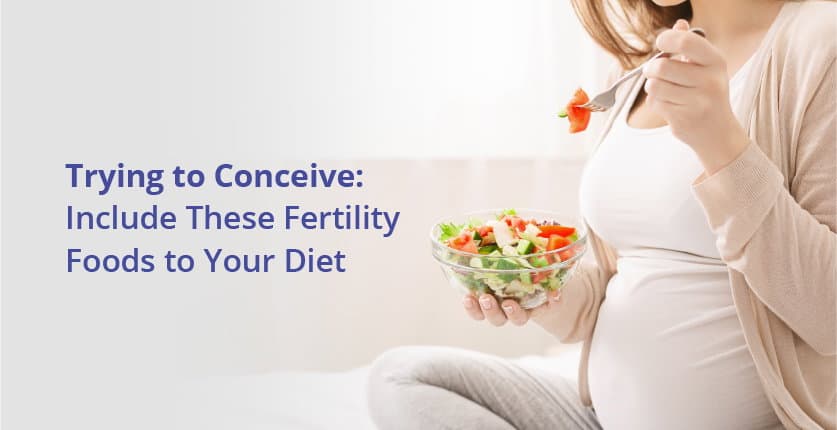
கருவுறுதலை அதிகரிக்கும் சிறந்த உணவுகள்
நீங்கள் நன்றாக சாப்பிட கர்ப்பமாக இருக்கும் வரை காத்திருக்க வேண்டியதில்லை. கருத்தரிப்பதற்கு முன் ஆரோக்கியமான உணவை உட்கொள்வது உங்கள் கருவுறுதலை அதிகரிக்க உதவும், எனவே கருவுறுதலை அதிகரிக்கும் அந்த உணவுகளை உங்கள் உணவில் எப்போதும் சேர்த்துக்கொள்வது நல்லது.
சில பெண்கள் கர்ப்பத்தை ஊக்குவிக்க மது மற்றும் பிற பொருட்களை கைவிடுகிறார்கள். “கருவுறுதல் ஊட்டச்சத்து” என்ற யோசனை சற்று விசித்திரமாகத் தோன்றினாலும், கர்ப்பமாக இருக்க முயற்சிக்கும் போது உங்கள் உடலை எவ்வாறு வளர்க்கிறீர்கள் என்பது முக்கியம்.
பெண்கள் மற்றும் ஆண்கள் இருவருக்கும் மலட்டுத்தன்மையை ஏற்படுத்தும் சில தீவிர மருத்துவ நிலைகளுக்கு உணவு தேர்வுகள் உதவாது என்பதை கவனத்தில் கொள்ள வேண்டியது அவசியம். உதாரணமாக, ஃபலோபியன் குழாய்கள் அடைக்கப்பட்டு, விந்தணுக்கள் முட்டையை அடைவது தடுக்கப்பட்டால், உங்கள் உணவை மாற்றுவது அடைப்பை நீக்கவோ அல்லது ஃபலோபியன் குழாய்களைத் திறக்கவோ முடியாது, இந்த நிலைமைகளுக்கு நீங்கள் கருவுறுதல் மையத்திற்குச் சென்று சிகிச்சை பெற வேண்டும்.
இந்த கட்டுரையில், பிர்லா கருத்தரிப்பு & IVF இன் மருத்துவ சேவைகளின் தலைவரான டாக்டர் பங்கஜ் தல்வார், ஆண்களுக்கும் பெண்களுக்கும் கருவுறுதலை அதிகரிக்கும் உணவுகள் மற்றும் இயற்கையான கர்ப்பத்தைத் திட்டமிட உங்கள் உணவுத் தேர்வுகளை எவ்வாறு மாற்றலாம் என்பதைப் பற்றி விவாதிப்பார்.
கருவுறுதலை அதிகரிக்க உண்ண வேண்டிய முதல் 8 சிறந்த உணவுகள்
- சூரியகாந்தி விதைகள்
வறுத்த மற்றும் உப்பு சேர்க்காத சூரியகாந்தி விதைகளில் வைட்டமின் ஈ அதிகமாக உள்ளது, இது அத்தியாவசிய ஊட்டச்சத்து ஆகும் விந்தணு எண்ணிக்கையை அதிகரிக்கிறது மற்றும் சிலருக்கு இயக்கம். கூடுதலாக, சூரியகாந்தி விதைகளில் ஃபோலிக் அமிலம் மற்றும் செலினியம் நிறைந்துள்ளது, இது பெண் மற்றும் ஆண் கருவுறுதலுக்கு முக்கியமானது. மேலும், சூரியகாந்தி விதைகள் ஒமேகா-6 கொழுப்பு அமிலங்களின் நல்ல மூலமாகவும், சிறிய அளவில் ஒமேகா-3 கொழுப்பு அமிலங்களைக் கொண்டிருக்கின்றன. - Beans and lentils
Beans and lentils are excellent sources of fiber and folate, both of which are important for maintaining healthy hormone balance. Other things in legumes include high levels of the polyamine spermidine, which helps sperm fertilize eggs. They are also high in protein, which promotes healthy ovulation. - Pomegranate
has long been associated with fertility and childbirth due to its many seeds. While this is not a scientific reason to praise pomegranates, it is certainly interesting. According to science, pomegranates are rich in antioxidants, which improve sperm quality. - Egg
yolks provide the same nutrients as eggs, including iron, calcium, zinc, vitamin B6, folic acid, and vitamin B12. Eggs contain 100% of the vitamin A in eggs. Egg yolks from free-range hens are rich in the fertility-promoting omega-3 fatty acids EPA and DHA, as well as the fat-soluble vitamins A, D, E, and K2.
Another great reason to eat eggs: They’re an inexpensive source of lean protein, which is good for fertility in both men and women. Eggs also contain choline, which may reduce the risk of certain birth defects. However, not all studies have found this benefit. - Pineapple
Pineapple contains a natural enzyme called bromelain, which has anti-inflammatory and anticoagulant properties. Bromelain stimulates your immune system to break down the inflammatory response. Inflammatory foods can affect your fertility, and chronic inflammation can trigger the body to suppress ovulation. - Salmon
Salmon is on almost every superfood list, whether it’s for fertility or not. Salmon is high in essential fatty acids and omega-3 fatty acids, which are beneficial for fertility in both men and women.
It’s also a great source of selenium and vitamin D. Selenium is an essential vitamin for sperm health, and low levels of vitamin D appear to be associated with poor fertility in both men and women. - Taking cinnamon
supplements may help speed up irregular menstrual cycles in women with polycystic ovarian syndrome (PCOS), a common cause of female infertility. - Citrus fruits,
such as oranges and grapefruits, are one of the best sources of vitamin C. Grapefruits and oranges contain the polyamine putrescine, which some animal studies have linked to the potential for improving egg and sperm health.
When you’re trying to conceive, it’s natural to focus on the big picture, such as tracking your ovulation, maintaining a healthy lifestyle, and exploring fertility treatments. However, one often overlooked aspect that can significantly affect your fertility is your diet. The foods you eat can play a key role in preparing your body for pregnancy, increasing your chances of conceiving.
In this blog, we will explore the connection between diet and fertility, highlighting key nutrients and foods that can improve your reproductive health. Whether you are just starting your journey to parenthood or have been trying for a while, incorporating these fertility-boosting foods into your diet can make a real difference.
The Fertility-Food Connection
Your diet is a fundamental aspect of your overall health, and this is especially true when it comes to fertility. The nutrients you consume can affect hormone production, egg and sperm quality, and the health of your future baby. A well-balanced diet rich in fiber, omega-3 fatty acids, essential vitamins, minerals, and antioxidants, such as the Mediterranean diet, can:
- Regulating ovulation
- Improve egg and sperm quality
- Support early fetal development
- Reduce the risk of certain birth defects
In contrast, a diet lacking in key nutrients or high in trans fats, sugar, and refined carbohydrates can negatively impact fertility. That’s why it’s so important to make careful food choices when you’re trying to conceive.
Foods that should be included in a fertility-friendly diet:
- Fruits and vegetables are packed with vitamins, minerals, and antioxidants.
- Whole grains and legumes (including legumes) for nutrients like fiber, protein, and folic acid
- Plant-based and lean proteins, such as beans, lentils, chicken, and fish
- Healthy fats from sources like avocados, nuts, seeds, and olive oil
- Low-fat dairy and chicken
Nutrients that increase female fertility
When it comes to foods that boost fertility in women , there are several key nutrients to focus on:
|
Nutrition |
Food sources |
Benefits |
|---|---|---|
|
Folic acid |
Dark leafy greens, legumes, fortified cereals |
Prevents birth defects, supports fetal development |
|
Vitamin B12 |
Low-mercury fish, lean meats, eggs, yogurt |
Helps in the development of the baby’s brain and nervous system |
|
Omega-30 fatty acids |
Salmon, flaxseed, chia seeds, olive oil |
Supports fetal development and overall health |
|
Iron |
Beans, chicken, eggs, fish, beef, broccoli |
The need for healthy ovulation |
|
Antioxidants and fiber |
Berries, apples, quinoa, avocado |
Improves ovulation and overall fertility |
Nutrients that increase male fertility
Male fertility can also benefit from a nutrient-rich diet. Some key nutrients to focus on are:
|
Nutrition |
Food sources |
Benefits |
|---|---|---|
|
Zinc and selenium |
Sunflower seeds, walnuts, and seafood |
Improves sperm count, motility, and morphology. |
|
Vitamin E |
Sunflower seeds |
Increases sperm volume and motility |
|
Omega-30 fatty acids |
Salmon, flaxseed, chia seeds, olive oil |
Beneficial for men’s sperm health and overall reproductive well-being. |
Foods to avoid for optimal fertility
Just as some foods can boost fertility, others can hinder it. When trying to conceive, it’s best to limit or avoid:
- Processed foods : High in unhealthy fats, added sugars, and artificial ingredients, processed foods can contribute to inflammation and hormonal imbalances.
- High-Mercury Fish : While fatty fish are great for fertility, some types of fish (like swordfish and shark) are high in mercury, which can be harmful to fetal development.
- Alcohol : Excessive alcohol consumption can disrupt hormone production and reduce fertility in both men and women.
- Caffeine : While moderate caffeine intake (less than 200 mg per day) is generally considered safe, excessive consumption may negatively affect fertility.
Strengthening your fertility diet
In addition to eating a variety of nutrient-rich foods, you may also want to consider taking a prenatal vitamin supplement. Key vitamins to look out for in supplements include:
- Folic acid: essential for conception and preventing birth defects
- Vitamin B12: Supports healthy fetal development and fertility
- Vitamin D: Promotes bone growth
- Iron: Supports placental and fetal development and helps prevent anemia.
Note: Before starting any new supplement regimen, you should always consult your doctor.
For more information on improving your fertility, watch our video on the Fertility Diet.
Fertility and weight: finding the right balance
In addition to the quality of your diet, your overall calorie intake and body weight can affect fertility. Being underweight or overweight can disrupt hormone production and affect ovulation.
For women, maintaining a body mass index (BMI) of 18.5 to 24.9 is considered optimal for fertility. Obesity, especially when accompanied by conditions such as polycystic ovary syndrome (PCOS), can significantly reduce the chances of conceiving. In women, obesity has been linked to:
- High rates of infertility
- Lower in vitro fertilization (IVF) success rate
- Increased risk of PCOS
Like women, male fertility is affected by weight. Obesity in men has been linked to:
- Low testosterone levels
- Reduced sperm count
- Decreased sperm motility
If you’re struggling with your weight, working with a dietitian can help you create a plan to achieve a healthy BMI and improve your fertility.
Myth busting: Can certain foods increase your chances of having twins?
You may have heard that certain foods, such as legumes or dairy products, can increase your chances of having twins. However, there is no scientific evidence to support these claims.
The likelihood of having twins is largely determined by genetics and maternal age. While some studies suggest that women who consume a lot of dairy products may have a slightly higher chance of having twins, this link is not conclusive and should not be relied upon as a fertility strategy.
Underline
Focus on eating a balanced diet full of whole foods, lean proteins, and healthy fats. Also, pay attention to key nutrients like folic acid, vitamin B12, and omega-3 fatty acids, and maintain a healthy body weight through a balanced diet and regular exercise.
A word from the expert
A healthy diet is like laying a strong foundation for fertility. It provides your body with the essential nutrients and energy it needs to conceive and have a healthy pregnancy. Think of it as an investment in your reproductive health.
takeaway
Having good nutrition in your diet is good for a healthy body and reproductive system and can help you get pregnant.
Making some lifestyle changes and eating a healthy diet can help increase fertility and prepare your body for pregnancy.
If you’re trying to get pregnant, it’s important to start a healthy diet and lifestyle today. But don’t let stress and anxiety put you off. Talk to your fertility specialist to find the best options for you.
Frequently Asked Questions
What are the Indian foods that boost fertility?
There are many things that a woman needs to take care of throughout her pregnancy, especially when it comes to her diet. Here is a list of foods that boost fertility and ovulation and are easily available in every Indian kitchen.
- Greek yogurts
- Asparagus
- Walnuts
- Egg yolks
- Cheese
- Berries
- Leafy green vegetables
What are the 7 best foods to boost fertility?
is no magic food that will lead to pregnancy, but diet and lifestyle choices have a significant impact on reproductive health for both women and men. The foods you eat and other factors, such as lifestyle changes and managing stress, can also boost fertility.
Top 7 foods that help increase fertility-
- Beans and lentils
- Sunflower seeds
- Butter
- Salmon
- After six o’clock
- Cheeses
- Greek yogurt
What foods affect fertility?
When trying to conceive, you should do everything possible to ensure that your sperm are healthy and can fertilize your partner’s egg. Eat plenty of fruits and vegetables rich in iron, zinc, and vitamins. There are certain foods that you should avoid. Consuming these foods can interfere with sperm production and lead to the development of sperm with poor motility and inappropriate morphology. Here are some foods that you should avoid during fertility treatment:
High-mercury fish
Full-fat dairy
Processed meats
Alcohol and carbonated drinks
Cigarettes
Which fruit is good for fertility?
Berries are great for both men and women trying to conceive. Raspberries and blueberries are full of anti-inflammatory phytonutrients and natural antioxidants that help boost fertility. They are also a good source of folic acid and vitamin C, which help with fetal development. Berries aid in weight loss and should be included in your diet to boost fertility.
How to improve egg quality during pregnancy?
Women who want to increase egg quality and improve fertility are always told to include certain foods and lifestyle changes in their diet:
To know more
Birla Fertility & IVF aims at transforming the future of fertility globally, through outstanding clinical outcomes, research, innovation and compassionate care.


Had an IVF Failure?
Talk to our fertility experts