
 Our Centers


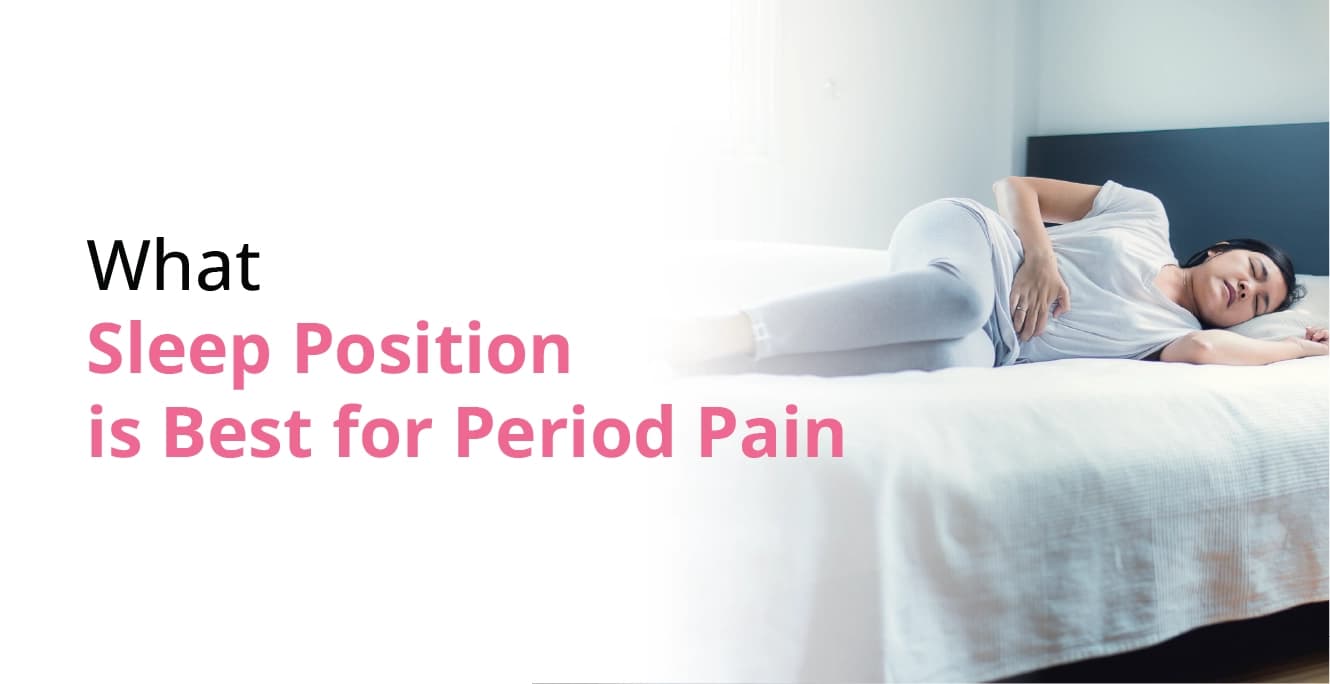
What Sleep Position is Best for Period Pain?

Table of Contents
Period pain can make even the simplest things, like getting a good night’s sleep, feel impossible. The cramping, bloating, and constant discomfort can leave you tossing and turning, wondering how to sleep during periods without waking up every hour. If you’ve ever hugged a pillow, curled into a ball, or changed positions a dozen times just to ease the pain, you’re definitely not alone.
The good news? Certain sleeping positions can actually make a significant difference in relieving cramps. Choosing the best sleeping position for period cramps helps relax your muscles, improve blood flow, and reduce pressure on your lower abdomen. In this guide, we’ll explore the best position to sleep during periods so you can finally get the rest your body needs.
How Does Sleep Position Affect Period Pain
Your sleep position plays a much bigger role in managing period pain than most people realise. When you’re on your period, your uterus contracts to shed its lining. Certain positions can either ease or exacerbate these contractions. The right sleep posture helps relax pelvic muscles, reduces pressure on the abdomen, and improves blood flow—leading to noticeable relief from cramps.
Here’s how sleep position affects period pain:
- Pelvic Muscle Relaxation
Some positions, like the fetal position, help loosen tense pelvic muscles, reducing the intensity of menstrual cramps. - Better Blood Flow
Sleeping in a curled or side-lying position can improve circulation to the uterus, helping you feel more comfortable. - Reduced Pressure on the Uterus
Lying on your stomach or flat on your back may increase abdominal pressure, making cramps feel sharper or heavier. - Improved Digestion
Certain postures support digestion and reduce bloating—another contributor to discomfort during periods. - Back Support
Proper alignment of the spine and lower back can reduce lower-back pain, which many women experience alongside cramps.
Choosing the right sleeping position can significantly reduce discomfort, help you sleep better, and support your body’s natural healing process throughout the night.
Sleeping positions
Your spine should be aligned from the top of your head to your hips when you sleep. You need the proper support from your cushion and mattress to attain a proper, neutral spine position. The following advice on sleeping positions may improve comfort and posture:
Sleeping on your side
- It is best for your spine to sleep on your side, especially if you use pillows to support you. A cushion should be the same thickness as the space between your neck and shoulder in order to support your head and maintain its alignment with your spine.
- If you sleep on your side with a thin pillow or blanket between your knees to level out your hips, you may also be less likely to wake up with back pain. To keep yourself in place, you can also place pillows on either side of your body.
- Sleeping on your left side is preferable to sleeping on your right since it places less strain on your organs.
Sleeping on your back
- Sleeping on your back is a neutral position that can help alleviate lower back discomfort by maintaining the alignment of your spine, distributing your weight evenly, and relieving pressure on your bones and ligaments.
- Lying on your back has the drawback of potentially causing breathing issues that could lead to snoring or sleep apnoea, which is a temporary stoppage of breathing.
- Sleeping on one’s back may exacerbate back discomfort for some individuals. If you prefer to sleep on your back, it may be beneficial to place a small pillow beneath your lower back to prevent a space from developing between your mattress and lower back. Alternatively, you might put a tiny pillow beneath your knees.
Sleeping on your stomach
- Sleeping on your stomach puts strain on your spine and provides the least support for your back, which can cause back pain upon waking.
- If you prefer to sleep on your stomach, consider using a thin cushion or none at all, and place a thin pillow under your hips to minimize strain on your spine. When lying on your stomach, a firm mattress can also help minimise spinal misalignment.
Other Remedies to Get Rid of Period Pain
To help you fall asleep more easily, you can use additional pain-relieving techniques. Here they are:
- Before going to bed, consider engaging in some relaxing activities. These can include practicing meditation, reading a book, listening to soothing music or any podcast, or playing ambient music in the background.
- You can take a warm bath before bed or place a hot water bottle on your lower abdomen to help alleviate cramps.
- Gently massage your lower belly. It can help with the pain.
- Using an over-the-counter (OTC) medication can help with the pain, such as aspirin, ibuprofen, or paracetamol.
- Eat a balanced meal, and avoid processed food that can cause gas.
Yoga Poses to Help Ease Period Pain
Yoga can be a gentle and effective way to relieve period pain by relaxing your muscles, improving blood flow, and reducing stress. During menstruation, your pelvic area becomes more sensitive, and certain yoga poses can help release that tension naturally.
- Child Pose
Also known as balasana, this yoga pose helps relax the lower back and pelvic muscles. They ease cramps and calm your mind.
- Cat-Cow Stretch
Also known as Marjaryasana-Bitilasana, the rhythmic movements on this yoga pose helps boost blood circulation. It further reduces stiffness and relieves abdominal discomfort.
- Reclined Bound Angle Pose
Also known as Supta Baddha Konasana, this pose helps open the hips and pelvis reducing cramping and lower-abdominal pressure.
- Seated Forward Bend
Also known as Paschimottanasana, it gently stretches the lower back and hamstrings, relaxing tight muscles and easing menstrual tension.
- Cobra Pose
Also known as Bhujangasana, this yoga pose stretches the abdomen, improves blood flow, and reduces fatigue.
- Knees-to-Chest Pose
Also known as Apanasana, it helps release trapped gas, bloating, and lower-belly pressure.
Practising these poses slowly and mindfully can help you feel lighter and more comfortable during your periods.
Conclusion
Managing period pain can be challenging, especially when you’re trying to rest. But choosing the best sleeping position for period cramps, like the fetal position or supported side sleeping, can make a big difference. These sleep period pain relief positions help relax your muscles, ease pressure on the abdomen, and improve blood flow so you can finally sleep better.
Along with soothing bedtime habits and gentle yoga, you can discover how to sleep during periods more comfortably. If your cramps are severe or constant, speak with a doctor. With the right period pain relief positions, restful nights are absolutely possible.
Our Fertility Specialists


Rohini, Delhi
Dr. Karishma Makhija
MBBS, DGO, DNB


Koramangala, Karnataka
Dr. Kavya D Sharma
MBBS, MS, OBG, MRCOG-1

Gurgaon – Sector 14, Haryana
Dr. Khushboo Goel
MBBS, MS Obstetrics & Gynaecology (Gold Medallist), DNB (Obstetrics & Gynaecology), MRCOG 2, FNB in Reproductive Medicine
Related Blogs



To know more
Birla Fertility & IVF aims at transforming the future of fertility globally, through outstanding clinical outcomes, research, innovation and compassionate care.


Had an IVF Failure?
Talk to our fertility experts