
 Our Centers


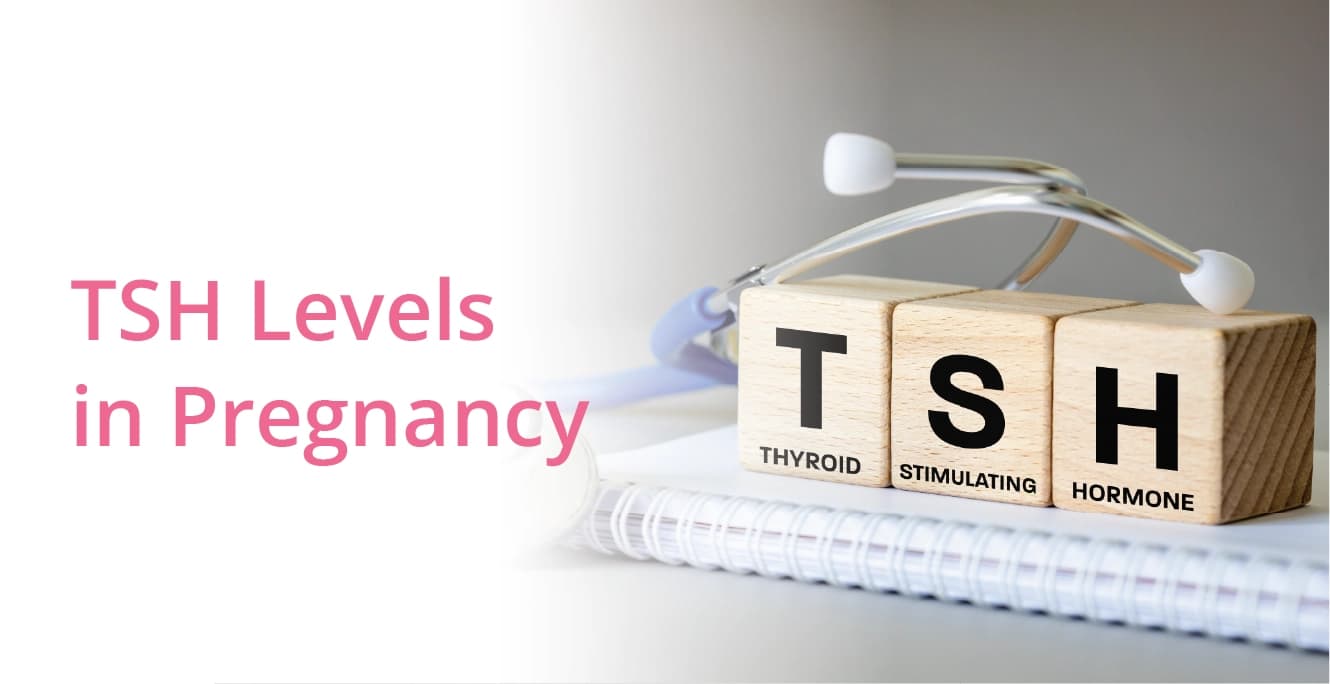
TSH Level in Pregnancy: Normal Range, Symptoms & Treatment

Table of Contents
- Why is Thyroid Level Crucial in Pregnancy?
- Normal TSH Level in Pregnancy
- Low TSH Level in Pregnancy
- Symptoms of Low TSH Level in Pregnancy
- High TSH Level in Pregnancy
- Symptoms of High TSH Level in Pregnancy
- How to Manage TSH Level in Pregnancy?
- TSH Levels During Pregnancy Chart in India
- How to Reduce TSH Level in Pregnancy?
- On a Concluding Note
- FAQs
Pregnancy brings countless changes.
Some you can feel, and others you can’t.
One such silent yet powerful change happens in your thyroid.
The thyroid is a small, butterfly-shaped gland located in the neck that produces hormones regulating metabolism. It is more common than one can realise. Understanding the TSH levels during pregnancy chart in India can help you understand what’s normal, what’s not, and when to take action. In the long term, it can make all the difference in ensuring a healthy journey to motherhood.
Why is Thyroid Level Crucial in Pregnancy?
The first question that comes to one’s mind is why it is crucial to maintain thyroid levels during pregnancy. The simple answer is that it is essential for the healthy development of both the mother and the baby.
During the first trimester, the baby’s brain and nervous system depend entirely on the mother’s thyroid hormones. This is because the baby’s own thyroid gland is not yet functional. Hence, an imbalance in TSH levels in the first trimester of pregnancy can interfere with this development.
The effects of low or high TSH levels in pregnancy can lead to complications such as preterm birth, low birth weight, preeclampsia, miscarriage, and developmental delays in the baby.
Pregnancy-related thyroid problems are somewhat prevalent, especially in India, although they may not necessarily result in symptoms. Due to this, immediate management and routine screening are essential. Maintaining normal thyroid levels throughout pregnancy reduces pregnancy-related risks, promotes healthier outcomes for both mother and child, and ensures appropriate fetal growth.
Normal TSH Level in Pregnancy
- First Trimester (0–12 weeks):
0.1 – 2.5 mIU/L - Second Trimester (13–26 weeks):
0.2 – 3.0 mIU/L - Third Trimester (27–40 weeks):
0.3 – 3.0 mIU/L
Important Notes
- TSH levels naturally drop in early pregnancy due to rising hCG levels.
- Using non-pregnant adult TSH ranges during pregnancy can lead to misdiagnosis.
- Many Indian endocrinologists and obstetricians follow these ranges as per the ATA (American Thyroid Association) recommendations when local trimester-specific lab ranges are unavailable.
- Always interpret TSH along with Free T4 and clinical symptoms.
Low TSH Level in Pregnancy
Your thyroid gland is probably producing too much thyroid hormone if you have low TSH. Hyperthyroidism, or an overactive thyroid, is the term used to describe this condition. Thyroid nodules and Graves’ disease are two of the many disorders that cause hyperthyroidism.
Weight loss, nervousness, a fast heartbeat, and trouble sleeping are some of the symptoms. Uncontrolled hyperthyroidism can raise the risk of low birth weight, early birth, or miscarriage.
Medication and routine monitoring can effectively control both disorders. Therefore, don’t panic if you experience any strange symptoms or if your TSH levels are abnormal; simply consult your physician.
Symptoms of Low TSH Level in Pregnancy
Hyperthyroidism is typically indicated by low TSH levels. The following are signs of hyperthyroidism:
- Quick heartbeat (palpitations).
- Feeling uneasy and/or nervous.
- Increase in appetite along with unexplained weight reduction.
- Frequent defecation and diarrhoea.
- Alterations in vision and/or enlarged eyes.
- Warm, moise, and thin skin
- An enlarged thyroid gland (goitre) causes swelling and enlargement of the neck.
- Irregular menstruation cycles.
It’s crucial to consult with your doctor if you’re experiencing these symptoms, so you can receive the correct diagnosis.
High TSH Level in Pregnancy
Your thyroid may not be producing enough thyroid hormone if you have an elevated TSH level. We refer to this condition as hypothyroidism, or underactive thyroid. Hashimoto’s disease is one of several disorders that can result in hypothyroidism.
Fatigue, weight gain, constipation, and coldness may result from this. More significantly, though, if left untreated, it might have an impact on your baby’s brain development. For this reason, controlling thyroid levels at an early age is crucial.
Symptoms of High TSH Level in Pregnancy
Symptoms of hypothyroidism include:
- Exhaustion
- Tingling in hands along with numbness
- Constipation
- Unexplained weight gain
- Depression
- Being unable to withstand low temperatures
- Decreased interest in sex
- Heavy and frequent menstrual cycles
If you experience these symptoms, it is essential that you consult with your healthcare provider. It is possible to treat hypothyroidism.
How to Manage TSH Level in Pregnancy?
Your doctor will often recommend medication if your thyroid is either hyperactive or underactive. Levothyroxine is a popular and safe treatment for hypothyroidism that helps replenish the thyroid hormone your body is lacking.
Drugs like methimazole (after the first trimester) or propylthiouracil (during the first trimester) are frequently used to restore normal hormone levels in people with hyperthyroidism.
Regular blood tests are required in both situations to ensure that the medication is effective. Maintaining normal thyroid levels throughout pregnancy is crucial for the health of both the mother and the developing fetus.
Based on the findings of your tests, doctors typically modify dosages every few weeks. Regular follow-ups are crucial for this reason.
TSH Levels During Pregnancy Chart in India
| Trimester | Recommended TSH Range (mIU/L) |
| First Trimester (0–12 weeks) | 0.1 – 2.5 mIU/L |
| Second Trimester (13–26 weeks) | 0.2 – 3.0 mIU/L |
| Third Trimester (27–40 weeks) | 0.3 – 3.0 mIU/L |
How to Interpret This Chart
- TSH levels within these limits are typically considered normal during pregnancy.
- A value over the range could indicate hypothyroidism, or an underactive thyroid.
- Hyperthyroidism (overactive thyroid) may be indicated by values that fall below the normal range.
- These are only recommendations; different labs may report somewhat different reference ranges.
How to Reduce TSH Level in Pregnancy?
- Follow your doctor’s instructions when taking your prescribed thyroid medicine, which is typically levothyroxine.
- Every four to six weeks, get your TSH levels checked so you can change your dosage if necessary.
- Ensure you’re getting enough iodine by consuming a balanced diet that includes dairy products, eggs, and iodized salt.
- Take thyroid medicine on an empty stomach, at least 30 to 60 minutes before eating.
- Keep a 4-hour gap between taking calcium or iron supplements and thyroid medicine.
- Keep up a nutritious diet full of fruits, vegetables, and proteins.
- During pregnancy, maintaining hormonal balance is crucial, so it’s essential to manage your stress and get sufficient sleep.
- Never change your prescription dosage on your own; instead, always speak with your doctor.
On a Concluding Note
Monitoring your TSH levels during pregnancy is a simple yet effective way to ensure the health of both you and your unborn child. Thyroid problems can be effectively treated with the appropriate diagnostics and prompt treatment. If you’ve ever wondered if thyroid levels might be affected by pregnancy, keep in mind that your thyroid is only one part of your body that works extra hard during these months.
We at Birla Fertility & IVF can assist you with all the details and diagnosis related to this matter. You can book an appointment with our expert specialists and get a personalised treatment plan.
FAQs
Which level of TSH is abnormal in pregnancy?
In pregnancy, a TSH level is considered abnormal if it falls below 0.1 mIU/L or rises above the trimester-specific upper limit. Generally, a TSH level above 2.5 mIU/L in the first trimester or above 3.0 mIU/L in the second and third trimesters is considered abnormal and requires evaluation.
What is the TSH level in the 1st trimester?
The recommended TSH level in the first trimester is 0.1–2.5 mIU/L.
What is the TSH level in the 2nd trimester?
The recommended TSH level in the second trimester is 0.2 – 3.0 mIU/L.
How often is the TSH level checked?
TSH levels are typically checked once during early pregnancy, usually in the first trimester. If any abnormality is detected or if you have a known thyroid condition, TSH is typically monitored every 4–6 weeks throughout pregnancy.
Our Fertility Specialists


Kolkata New Town, West Bengal
Dr. Aaheli Maiti
MBBS, MS (Obstetrics & Gynaecology)


Siliguri, West Bengal
Dr. Angana De
MBBS, MD, Fellowship in Reproductive Medicine

J P Nagar, Karnataka
Dr. Chaithanya C
MBBS, MS, Fellowship in Reproductive Medicine

Kannur, Kerala
Dr. Deepa Menon
MBBS, MD (Obstetrics and Gynecology) Diploma in ART (Kiel, Germany)

Kozhikode, Kerala
Dr. Shifa Safarulla
MBBS, MS (Obstetrics & Gynaecology)

Koramangala, Karnataka
Dr. Snehadarshini Karanth
MBBS, MS (Obstetrics & Gynaecology), FRM

Vijayapura, Karnataka
Dr. Ashwini Karjol
MBBS, MS, FRM
Related Blogs





To know more
Birla Fertility & IVF aims at transforming the future of fertility globally, through outstanding clinical outcomes, research, innovation and compassionate care.


Had an IVF Failure?
Talk to our fertility experts