
 Our Centers


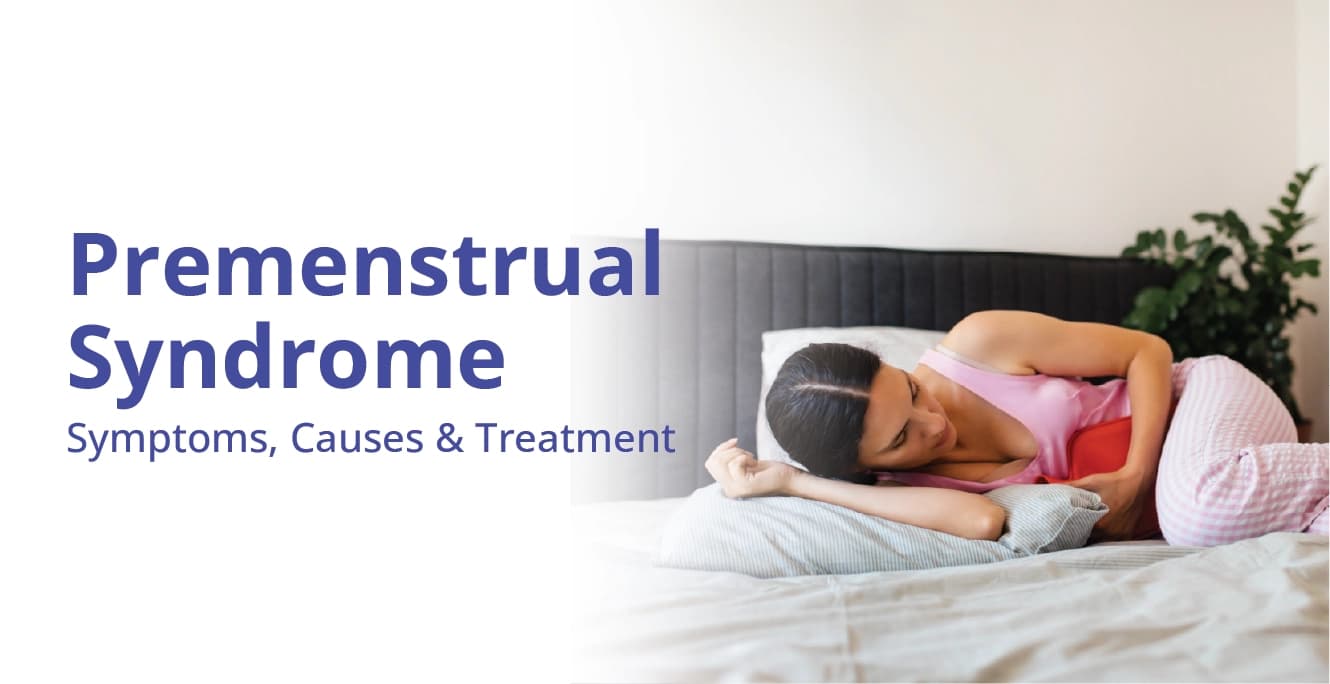
Premenstrual Syndrome (PMS): Symptoms, Causes Diagnosis & Treatment
Table of Contents
You have been preparing for the annual presentation for the last three months.
But today, when you woke up, you found yourself in a strange mood swing, feeling anxious, low on energy, and unusually emotional for no clear reason.
It’s not just stress!
This is what’s known as premenstrual syndrome, PMS.
Every month, women experience a mix of physical and emotional changes leading up to their menstrual cycle. While some face mood swings and anxiety, a few women feel bloated throughout the day. However, these can become intense enough to disrupt your daily routine.
Understanding what triggers these changes and how to manage them can significantly impact your comfort and well-being. With the right care, lifestyle adjustments, and medical support, PMS doesn’t have to take over your routine.
Let’s explore the underlying causes, symptoms, and effective ways to bring relief and balance during those challenging days of the month.
What is Premenstrual Syndrome
The premenstrual syndrome definition refers to a condition where you experience physical and emotional symptoms about one week before your period.
Most women face one or two symptoms of PMS, which are easily managed, but there are cases of extreme mood swings and fatigue, too. However, most of these symptoms subside after the period begins.
PMS symptoms can be worse during teenage years and in the lead-up to menopause (perimenopause), which may be due to changing hormone levels. You shouldn’t confuse it with PMDD, which is premenstrual dysphoric disorder. It is a condition that causes severe emotional and psychological distress.
What Are the Symptoms of Premenstrual Syndrome
Every woman is different, and everyone experiences different symptoms. They include both physical and emotional symptoms. These symptoms of premenstrual syndrome also vary from one cycle to another.
Emotional PMS (premenstrual syndrome) symptoms:
- Anxiety
- Irritability
- Sadness
- Mood changes
- Lower ability to cope
- Difficulty in concentrating
Physical PMS (premenstrual syndrome) symptoms:
- Pelvic cramping
- Bloating in the abdomen
- Breast discomfort and swelling
- Skin issues, including acne and fluid retention (swollen fingers or ankles)
Other symptoms:
- Headaches
- Tiredness, lethargy, insomnia
- Constipation, diarrhoea, or both
- Food cravings
- Aches and pains.
What Are the Causes of Premenstrual Syndrome
Here are some typical premenstrual syndrome causes and their effect on a woman’s body and mind:
| Category | Cause | Explanation |
| Hormonal Changes | Imbalance in progesterone and estrogen levels | Hormonal imbalance can affect the mood, energy & overall well-being |
| Chemical Imbalance | Changes in the serotonin levels | Lower serotonin levels can cause anxiety, depression, or irritation in general |
| Lifestyle Factors | Poor nutrition, sleep problems due to stress or inactivity | These factors can cause mood swings, exhaustion, and severe cramps |
| Nutritional Deficiencies | Low amounts of vitamin B6, magnesium, or calcium | These deficiencies play a huge role in regulating mood and muscle function |
| Genetic Factors | Family history of mood swings | Women who have close family members with PMS are more likely to get it themselves. |
| Unexplained Health Issues | Thyroid, anxiety, or depression | These can intensify the PMS symptoms, which makes them harder to manage |
Difference Between PMS & PMDD
PMDD is the abbreviation of Premenstrual Dysphoric Disorder. It is a more severe and intense form of PMS that affects a smaller percentage of women. It can cause extreme mood swings, depression, and anxiety that can appear in the weeks before menstruation. These generally improve once the period starts.
Unlike typical PMS, PMDD can significantly interfere with daily life, relationships, and emotional well-being. It often requires medical evaluation and treatment, such as lifestyle changes, therapy, or medication, to manage symptoms effectively.
Here’s a concise comparison between PMS (Premenstrual Syndrome) and PMDD (Premenstrual Dysphoric Disorder):
| Aspect | PMS | PMDD |
| Severity | Mild to moderate physical and emotional symptoms | Severe emotional and behavioral symptoms that disrupt daily life |
| Emotional Impact | Irritability, mood swings, mild anxiety | Intense mood changes, depression, anger, or hopelessness |
| Physical Symptoms | Bloating, fatigue, breast tenderness, cramps | Similar physical symptoms, but often more intense |
| Duration | Appears a few days before periods and eases with menstruation | Starts 1–2 weeks before periods and subsides shortly after they begin |
| Management | Lifestyle changes, diet, exercise, and over-the-counter relief | Requires medical treatment, therapy, or hormonal management |
While PMS and PMDD share similar symptoms, the key difference lies in their intensity and impact. PMS causes temporary discomfort, whereas PMDD is a more serious condition that can affect emotional stability and daily functioning, often needing professional medical support.
How to Manage PMS?
There is no premenstrual syndrome treatment as such, but there are several ways to manage your PMS. Let’s check them out:
Healthy Lifestyle-
Lifestyle can significantly impact how PMS affects you and help with the management of premenstrual syndrome. Here’s how:
- When you include regular exercise in your daily routine, the endorphin levels increase, which are also known as “feel-good” hormones. These promote relaxation and help you manage your mood better during PMS. We understand that your body may not feel like exercising during those days, but try to get in a 30-minute moderate exercise or a quick stroll. It will definitely make you feel better.
- By taking time to unwind and engage in enjoyable activities, you can also lower your stress levels. Go for yoga and meditation. Stress can also be lessened with good sleep.
- Consume a diet rich in fruits, vegetables, whole grains, and protein. Limit your consumption of sugar-filled, caffeinated, and alcoholic beverages, and drink plenty of water, up to two liters each day. Try to stop smoking if you do.
Natural Therapies-
A wide variety of complementary and alternative medicines and therapies (CAM) include natural remedies. Supplements (including vitamins, minerals, and fish oils), herbal medicine (in the form of teas, tablets, and liquids), and nutrition are examples of natural remedies. CAM also includes techniques like yoga, acupuncture, aromatherapy, mindfulness, meditation, and relaxation.
Acupuncture, naturopathy, and herbs are examples of complementary therapies that many individuals utilise to alleviate the physical and emotional symptoms of PMS. To fully understand the effectiveness of these treatments, further investigation is necessary.
Common supplements used to treat PMS symptoms include:
- Chaste tree – to reduce mood swings and irritability
- Vitamin B6
- Magnesium – to improve mood
- Calcium – about 600 mg twice a day
- Evening primrose oil – for breast swelling and pain.
Inform your doctor if you are taking any supplements, as they may interact with other medications you are taking.
Hormonal Treatments-
There are some hormonal therapies as well that doctors generally suggest when you face extreme conditions of PMS. These premenstrual syndrome medications can alleviate premenstrual syndrome symptoms by suppressing ovulation and lowering hormone levels during the weeks leading to your menstrual cycle.
Practical Ideas-
You must have seen women in your family or friends use a hot water bag during their menstrual cycles. Are they helpful? Indeed. You can also try to wear a soft cotton or bamboo bra on days when your breasts feel extra sensitive. Many find that applying a heat pack to their lower back or abdomen relieves cramping pain. Another option is to unwind in a warm bath.
When To See a Doctor?
There are women who face nausea, vomiting, and other physical difficulties during PMSing. These symptoms can also indicate the need for a comprehensive diagnosis since they can interfere with your daily activities or cause emotional distress. Persistent mood changes, depression, or intense pain could indicate PMDD or another underlying condition. A healthcare professional can help identify the cause and suggest the right treatment or lifestyle adjustments for relief.
The Bottom Line
We hope that this blog explains the meaning of premenstrual syndrome to you. As discussed above, PMS is a common experience for many women, but its impact can vary from mild discomfort to more disruptive symptoms. If you have ever wondered, “What are the symptoms of premenstrual syndrome?”, then understanding your body and its needs is crucial for managing them effectively.
With the right premenstrual syndrome diagnosis, a healthy diet, regular exercise, and professional support, it’s possible to alleviate both physical and emotional symptoms.
Remember, you don’t have to struggle through it. There are treatment options available to make every month more manageable and comfortable. Connect with our team of gynaecologists at Birla Fertility & IVF to learn about the next steps.
FAQs
Can you have PMS but no periods?
Yes, it’s possible to experience PMS-like symptoms even without a period, especially during anovulatory cycles, pregnancy, or perimenopause, when hormonal changes still occur.
How many days before the period does PMS start?
PMS symptoms usually begin 5 to 10 days before your period and often go away within a few days after menstruation starts.
Is PMS worse in the 30s?
Yes, PMS can become more noticeable or severe in your 30s due to hormonal fluctuations and changes that occur as you approach perimenopause.
Our Fertility Specialists

Kolkata New Town, West Bengal
Dr. Aaheli Maiti
MBBS, MS (Obstetrics & Gynaecology)


Bhubaneswar, Odisha
Dr. Amrita Nanda
MBBS, MS (OBG)
Perinthalmanna, Kerala
Dr. Amrutha C V
MBBS, DGO, DNB (Obstetrics & Gynaecology)

Gorakhpur, Uttar Pradesh
Dr. Akriti Gupta
MBBS, MS (Obstetrics & Gynaecology)
Siliguri, West Bengal
Dr. Angana De
MBBS, MD, Fellowship in Reproductive Medicine

J P Nagar, Karnataka
Dr. Chaithanya C
MBBS, MS, Fellowship in Reproductive Medicine

Kozhikode, Kerala
Dr. Celine Aricatt
MBBS, MS, Fellowship in Reproductive Medicine
Related Blogs


To know more
Birla Fertility & IVF aims at transforming the future of fertility globally, through outstanding clinical outcomes, research, innovation and compassionate care.


Had an IVF Failure?
Talk to our fertility experts