
 Our Centers
 Select City


 Select City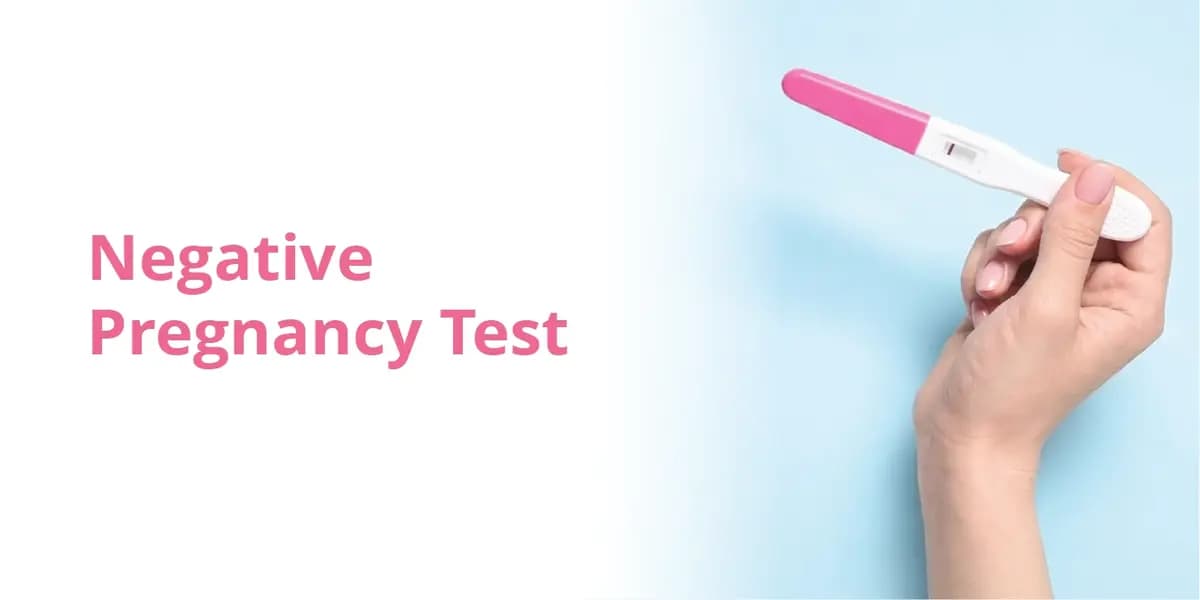

Table of Contents
- What Does a Negative Pregnancy Test Mean?
- Can You Be Pregnant with a Negative Test?
- Reasons for a Negative Pregnancy Test
- What is a False Negative Pregnancy Test?
- Pregnancy Symptoms but Negative Test: What Does it Mean?
- Missed Period but Negative Pregnancy Test: What Does it Mean?
- Home Pregnancy Test vs Blood Test
- What to do After a Negative Pregnancy Test?
- When Should You Retest?
- When Should You See a Doctor?
- Negative Pregnancy Test After IUI
- Negative Pregnancy Test After IVF
- Emotional Impact & Coping
- Myths vs Facts About a Negative Pregnancy Test
- Frequently Asked Questions (FAQs)
A negative pregnancy test can leave you with different emotions based on your situation and pregnancy goals. For instance, when you are expecting a positive result, and instead, you only get a single line in the test, it could leave you puzzled, especially when you have already missed your periods or you are showing symptoms of pregnancy. However, it is worth noting that a negative pregnancy test does not necessarily indicate that you are not pregnant. There are various things that could contribute to a negative pregnancy test, including timing of the test and hormone levels.
What Does a Negative Pregnancy Test Mean?
A negative pregnancy test result implies that there was no sufficient presence of human chorionic gonadotrophin (hCG) hormone in the body, which is usually produced once the fertilised egg attaches itself to the uterine wall.
In many cases, the result correctly indicates that you are not pregnant. Nevertheless, it is necessary to note that the results of the home pregnancy test might be false because of certain limitations. If you have conducted the test at an early stage or if hCG levels are still low, the test may fail to detect hormones even if pregnancy is achieved.
Thus, interpreting the negative result should take into account the following factors:
- The date of your last menstrual period
- Whether your periods are regular
- When you had unprotected intercourse or fertility treatment
- Whether you are experiencing pregnancy symptoms
Can You Be Pregnant with a Negative Test?
Yes, you can be pregnant even if you had a negative pregnancy test, but such cases are not very common.
Home pregnancy tests are mostly correct and reliable if they are correctly taken after missed periods. However, the thing is that they are based on the presence of hCG in the urine. If there are not enough hCG hormones, then the test results will be negative even though one is pregnant.
It is called a false negative pregnancy test.
In case your period does not come in the next few days, take the test again or consult a doctor. Your doctor may prescribe a blood test that detects even smaller amounts of hCG hormones.
Reasons for a Negative Pregnancy Test
Several factors can lead to a negative pregnancy test.
Testing Too Early
This is the most common reason for a negative result. If you test before enough hCG is produced after implantation, the result may be negative. Wait 48 to 72 hours before testing again.
Diluted Urine
Drinking too much water before testing can dilute hCG levels in urine. For the most accurate result, use your first morning urine.
Irregular Ovulation
Late ovulation can delay implantation and hCG production, making an early pregnancy test appear negative. This is common in women with irregular menstrual cycles.
PCOS
PCOS can make ovulation unpredictable, increasing the chances of testing too early. The condition itself does not cause a false negative pregnancy test.
Low hCG Levels
Some pregnancies produce hCG more slowly, delaying a positive result. If hCG levels remain low or symptoms persist, consult your doctor for further evaluation.
Faulty Test
Although uncommon, pregnancy tests can occasionally be defective or expired. Errors such as:
- Using an expired kit
- Not following the instructions
- Reading the result after the recommended time
can all affect accuracy.
Medications
Most medications, including antibiotics and birth control pills, do not affect pregnancy test results. However, fertility medications containing hCG can interfere with testing if taken recently. Your fertility specialist will advise you on the correct testing date after treatment.
What is a False Negative Pregnancy Test?
A false negative pregnancy test occurs when the result says you are not pregnant even though you actually are.
This usually happens because:
- The test was taken too early.
- hCG levels are still too low.
- Urine was diluted.
- The test was performed incorrectly.
- The test kit was expired or faulty.
False negatives are much more common than false positives.
If pregnancy is still suspected despite a negative result, repeating the test after 48 hours or getting a blood hCG test is recommended.
Pregnancy Symptoms but Negative Test: What Does it Mean?
Experiencing pregnancy symptoms while receiving a negative test result can be frustrating. Common symptoms include:
- Nausea
- Breast tenderness
- Fatigue
- Frequent urination
- Mild cramping
- Food cravings
- Bloating
These symptoms are not exclusive to pregnancy. Hormonal changes before menstruation, stress, thyroid disorders, PCOS, and certain medical conditions can produce similar symptoms.
If symptoms persist or worsen, repeat the pregnancy test after a few days or consult your healthcare provider.
Missed Period but Negative Pregnancy Test: What Does it Mean?
A missed period with a negative pregnancy test is relatively common. Besides pregnancy, delayed periods may occur due to:
- Stress
- Significant weight gain or weight loss
- Excessive exercise
- PCOS
- Thyroid disorders
- Certain medications
- Hormonal imbalances
If your period remains absent for more than a week after a negative test, it is advisable to repeat the test. If your period is delayed for several weeks without an obvious cause, seek medical evaluation.
Home Pregnancy Test vs Blood Test
| Feature | Home Pregnancy Test | Blood Pregnancy Test |
| Sample | Urine | Blood |
| Detects | hCG | hCG |
| Accuracy | Around 99% when used correctly after a missed period | More sensitive than urine tests |
| Detects Pregnancy | After missed period | A few days earlier than urine tests |
| Time for Results | Minutes | Few hours to one day |
| Best For | Initial testing at home | Confirming pregnancy or evaluating uncertain results |
A blood test is recommended when home test results are unclear, symptoms persist, or pregnancy needs to be confirmed after fertility treatment.
What to do After a Negative Pregnancy Test?
If you get a negative pregnancy test, then you can consider the following next steps:
- Retest after 48–72 hours: If your period has not started, repeat the test after a few days.
- Use first morning urine: Whenever you are testing at home, take a first morning urine sample. This can help improve the accuracy of a home pregnancy test.
- Consider a blood test: If results remain unclear, a blood hCG test can provide a more sensitive result.
- Consult your doctor: Seek medical advice if your period remains delayed or you have concerning symptoms.
When Should You Retest?
If your first pregnancy test is negative but you still suspect pregnancy, do not panic. A general timeline is:
| Situation | When to Retest |
| Tested before missed period | On the day your period is due or later |
| Negative on missed period | Repeat after 48-72 hours |
| Missed period continues | Repeat after one week |
| After IVF or IUI | Test only on the date advised by your fertility specialist |
Since hCG levels typically double every 48 to 72 hours in early pregnancy, waiting a couple of days before retesting improves the chances of an accurate result.
When Should You See a Doctor?
Consult your doctor if you:
- Miss your period for more than a week despite repeated negative tests.
- I have severe abdominal pain.
- Experience heavy vaginal bleeding.
- Have dizziness or fainting.
- Continue having pregnancy symptoms despite negative results.
- Have irregular periods for several months.
- Are undergoing fertility treatment and receive unexpected results.
Medical evaluation may include a blood hCG test, ultrasound, or additional investigations to identify the cause.
Negative Pregnancy Test After IUI
Waiting to take a pregnancy test after intrauterine insemination (IUI) can be tough emotionally for many people. Testing too early may yield a false negative due to the possibility that implantation may not have taken place yet or that hCG levels are not high enough.
Fertility experts usually advise that you wait for about 14 days from the time of IUI. If the result still comes negative, your doctor may advise repeating the test after a few days or will suggest you the next treatment step.
Negative Pregnancy Test After IVF
Time is of essence following the process of IVF.
It should be noted that the implantation process of an embryo may happen some days after embryo transfer while hCG levels take time to increase. It means that testing too early would give you a false negative result.
Most fertility centres recommend conducting blood hCG tests in 9-14 days from the day of embryo transfer depending on the type of transfer and treatment protocol used.
A negative result can be emotionally overwhelming, but it does not mean that the future IVF attempts will also be unsuccessful. Your fertility specialist will review the cycle, identify possible reasons, and recommend the most suitable next steps.
Emotional Impact & Coping
Having a negative pregnancy test result brings with it many different emotional responses. You might be disappointed, worried, or even confused, but there is no need to be stressed, particularly if you have been trying to conceive.
It may help to:
- Take some time to deal with your emotions.
- Not draw hasty conclusions after a single negative pregnancy test result.
- Discuss your feelings freely with your partner or a trusted friend.
- Follow your doctor’s recommendations regarding when you should take another test.
- Seek professional assistance, such as counselling, if you find that multiple negative results are affecting your mental wellness
It is important to note that one negative test result does not mean that you cannot conceive. If you are concerned about your fertility, discuss this matter with a fertility specialist.
Myths vs Facts About a Negative Pregnancy Test
| Myth | Fact |
| A negative test always means you are not pregnant. | Testing too early can produce a false negative. |
| Pregnancy tests work equally well at any time of the day. | First morning urine usually provides the most accurate result. |
| Drinking more water improves test accuracy. | Excess fluids can dilute urine and reduce hCG concentration. |
| PCOS causes false negative pregnancy tests. | PCOS does not affect the test directly but can delay ovulation, making testing too early more likely. |
| If symptoms continue despite a negative test, you should ignore them. | Persistent symptoms should be evaluated by a healthcare provider. |
Frequently Asked Questions (FAQs)
When is the best time to test?
The best time to take a pregnancy test is after you miss your period, using your first morning urine for the most accurate result.
Can I test negative and still be pregnant?
Yes. Testing too early or having low hCG levels can lead to a false negative. Retest after 48 to 72 hours if your period has not started.
How to 100% confirm you are not pregnant?
A blood hCG test, along with an ultrasound if needed, is the most reliable way to confirm whether you are pregnant.
How to deal with the first negative pregnancy test?
If you tested early, wait 48 to 72 hours and test again. If your period is still delayed or you have concerns, consult your doctor.
How to prepare your mind for pregnancy?
Maintain a healthy lifestyle, manage stress, and attend regular preconception check-ups. Remember that conception can take time.
How many days of pregnancy test negative?
If you test before or around your missed period, a negative result is possible. Retest after 48 to 72 hours if your period is still delayed.
Our Fertility Specialists
To know more
Birla Fertility & IVF aims at transforming the future of fertility globally, through outstanding clinical outcomes, research, innovation and compassionate care.


Had an IVF Failure?
Talk to our fertility experts