
 Our Centers
 Select City


 Select City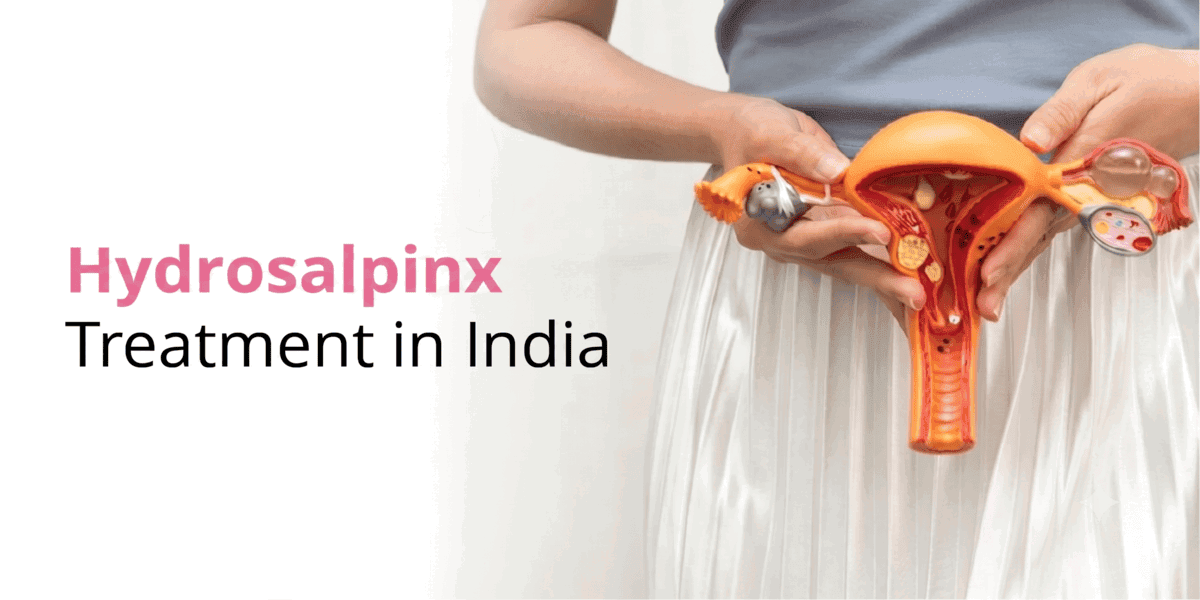
Hydrosalpinx Treatment in India

Table of Contents
- What Is Hydrosalpinx?
- Types of Hydrosalpinx
- Symptoms of Hydrosalpinx
- Causes of Hydrosalpinx
- How Does Hydrosalpinx Affect Fertility?
- When Should You Seek Medical Care?
- How Is Hydrosalpinx Diagnosed?
- Hydrosalpinx Treatment Options
- Can Hydrosalpinx Be Prevented?
- Frequently Asked Questions (FAQs)
- Can hydrosalpinx be treated without surgery?
- Can I get pregnant naturally with hydrosalpinx?
- Does hydrosalpinx reduce IVF success rates?
- Is it necessary to remove the affected fallopian tube before IVF?
- How is hydrosalpinx diagnosed?
- What causes hydrosalpinx?
- How long does recovery take after hydrosalpinx surgery?
- Can hydrosalpinx recur after treatment?
Hydrosalpinx occurs when one or both of your fallopian tubes become clogged and fill with fluid. This is typically caused by endometriosis, scar tissue from surgery, or a previous infection. Until a doctor brings it up, usually during a fertility test, most people are unaware of it. Because that trapped fluid may leak into the uterus and interfere with implantation, it can subtly reduce your odds of becoming pregnant naturally or even through IVF. What’s good? From surgery to remove or obstruct the tube to various strategies that safeguard fertility outcomes, there are a number of effective therapeutic choices. Let us dissect those.
What Is Hydrosalpinx?
A disorder known as hydrosalpinx occurs when fluid builds up in one or both fallopian tubes, obstructing them. Your uterus and ovaries are connected via your fallopian tubes. Your ovaries create an egg that passes through your fallopian tubes each month as part of your menstrual cycle. An open channel for the union of an egg and a sperm (fertilisation) is provided by healthy fallopian tubes. The embryo, or fertilized egg, enters your uterus through the same open pathway. An embryo can then implant in the wall of your uterus and grow into a fetus.
Fluid accumulation obstructs this channel with a hydrosalpinx. Sperm may not be able to reach your egg if your fallopian tube is blocked. The obstruction in your fallopian tube may prohibit the embryo from entering your uterus if fertilization does take place.
Types of Hydrosalpinx
Depending on whether one or both fallopian tubes are impacted, hydrosalpinx is categorized. Knowing the type of hydrosalpinx aids in determining the best course of treatment and how it affects fertility.
Unilateral Hydrosalpinx
When one fallopian tube is blocked and filled with fluid but the other tube is still open and functional, this condition is known as unilateral hydrosalpinx. If the healthy tube is able to release and catch an egg, spontaneous conception might still be feasible in specific circumstances. The fluid in the afflicted tube, however, may still lower fertility, obstruct implantation, or raise the possibility of an ectopic pregnancy. The degree of the obstruction, the symptoms, and the couple’s fertility objectives all influence the course of treatment.
Bilateral Hydrosalpinx
When both fallopian tubes are clogged and filled with fluid, bilateral hydrosalpinx happens. Because the egg and sperm cannot meet for fertilization, this greatly lowers the likelihood of natural conception. Furthermore, the collected fluid may return to the uterus, creating an environment that may be detrimental to the implantation of the embryo. In order to increase the likelihood of a successful pregnancy, IVF is frequently advised for women with bilateral hydrosalpinx who are attempting to conceive following the proper treatment, such as the removal or occlusion of the afflicted tubes.
Symptoms of Hydrosalpinx
Seldom does a hydrosalpinx induce symptoms. Until your doctor looks into what’s preventing you from getting pregnant, you might not be aware that your tubes are obstructed.
When symptoms appear, they consist of:
- pelvic pain that could get worse during or right after your period
- brownish or sticky vaginal discharge
Causes of Hydrosalpinx
Environmental and Infectious Causes
Infections that induce inflammation and scarring of the fallopian tubes are frequently the cause of hydrosalpinx. Typical infectious agents include of:
- Pelvic inflammatory disease: One of the main causes of pelvic inflammatory disease (PID), which can develop to hydrosalpinx, is Chlamydia trachomatis, a sexually transmitted infection.
- Neisseria gonorrhoeae: Another STD that can result in PID and subsequent fallopian tube blockage is Neisseria gonorrhoeae.
- Tuberculosis: Hydrosalpinx can also result from genital tuberculosis, especially in areas where the infection is common.
Although more research is required in this area, environmental factors, such as exposure to specific chemicals or poisons, may possibly contribute to the development of hydrosalpinx.
Autoimmune and Genetic Causes
Although infections are the main cause of hydrosalpinx, various autoimmune or genetic disorders may make a person more susceptible. Women who have a family history of reproductive problems, for instance, might be more vulnerable. Fallopian tube inflammation and scarring can also result from autoimmune illnesses, in which the body’s immune system unintentionally targets its own tissues.
Dietary and Lifestyle Factors
The likelihood of acquiring hydrosalpinx may be influenced by specific dietary and lifestyle decisions. Among the things to think about are:
- Smoking: Infertility and an elevated risk of pelvic inflammatory disease are among the reproductive health problems associated with tobacco use.
- Obesity: Being overweight can alter hormone levels and raise the chance of having diseases that could cause hydrosalpinx.
- Diet: Reproductive function and general health may be adversely affected by a diet heavy in processed foods and low in fruits and vegetables.
How Does Hydrosalpinx Affect Fertility?
There are several important ways that hydrosalpinx may impact fertility. First, natural conception is extremely challenging on that side because the clogged, fluid-filled tube typically prohibits an egg and sperm from meeting. Second, and more pertinent to IVF patients, the fluid within the tube may gradually seep back into the uterus. Not only might this fluid physically “wash out” an embryo immediately after transfer, before it has a chance to implant, but it is also believed to be harmful to embryos. Research indicates that as compared to women without hydrosalpinx, this can considerably reduce IVF success rates. Additionally, there is evidence that if pregnancy does occur, it may increase the risk of miscarriage. Because of this, physicians frequently advise treating hydrosalpinx prior to IVF attempts rather than after.
When Should You Seek Medical Care?
If you encounter any of the following, you should speak with a healthcare professional:
- Having trouble becoming pregnant after a year of consistent, unprotected sexual activity (or six months if you are 35 years of age or older)
- Recurrent or chronic pelvic discomfort
- Pain in the lower abdomen that does not go away
- Unusual vaginal discharge, particularly if it smells bad
- Pain during a sexual encounter
- Periods that are irregular or exceptionally uncomfortable
- An earlier fallopian tube procedure or ectopic pregnancy
- Severe pelvic discomfort, fever, or chills could be signs of an active infection and need to be treated right away.
How Is Hydrosalpinx Diagnosed?
There are three methods, which are frequently complementary, for figuring out whether the Fallopian tubes are blocked:
- Hysterosalpingography (HSG). For more thorough information about this test, see our webpage.
- An ultrasound examination typically shows the liquid in the Fallopian tubes and indicates the severity of the hydrosalpinx.
A laparoscopy is a surgical procedure that makes it easier to assess the Follopian tubes. By injecting a colored liquid through the uterus and watching to see if it passes all the way to the ends, it is possible to ascertain whether the tubes remain open.
Hydrosalpinx Treatment Options
The severity of the condition, the underlying reason, the symptoms, and whether or not you intend to become pregnant all influence the course of treatment for hydrosalpinx. Restoring reproductive health, reducing symptoms, and increasing the likelihood of a healthy pregnancy are the main objectives.
1. Medical Treatments
The severity of hydrosalpinx and the patient’s reproductive objectives determine the course of treatment. Among the options are:
Antibiotics: To treat the underlying cause of an infection, antibiotics may be recommended.
Surgery: Surgical procedures may be taken into consideration if hydrosalpinx is causing severe symptoms or infertility. These may consist of:
- Removal of the damaged fallopian tube is known as a salpingectomy.
- Making a hole in the fallopian tube to drain the fluid is known as a salpingostomy.
2. Non-Pharmacological Interventions
Hydrosalpinx can be managed with lifestyle changes in addition to medical interventions:
- Dietary Modifications: Reproductive health can be supported by a well-balanced diet high in fruits, vegetables, whole grains, and lean proteins.
- Frequent Exercise: Regular physical activity and maintaining a healthy weight helps enhance hormonal balance and lower the risk of reproductive problems.
- Stress Management: Stress can have an adverse effect on reproductive health. Stress management techniques include yoga, meditation, and counseling.
3. Unique Considerations
Treatment strategies may need to be modified for different populations:
- Pediatric: To prevent needless surgical procedures, cautious monitoring and conservative treatment may be recommended for younger patients.
- Geriatric: Depending on their general health and the existence of comorbidities, older women may require different therapeutic approaches.
4. Hyperspermia Treatment – Steps
- Detailed Diagnosis: The step one is having a proper diagnosis, starting with reviewing the medical history. Next, physical examination is done along with a semen analysis. These help determine any underlying reason for hyperspermia. Doctors can suggest more tests if necessary.
- Determine and Address the Root Cause: In order to enhance reproductive health, treatment for hyperspermia that is associated with an infection, hormonal imbalance, or another medical problem focuses on treating the underlying cause.
- Personalised Fertility Care: Doctors can suggest medication, lifestyle modification and in some cases assisted reproductive procedures like IVF or IUI based on the fertility assessment.
- Consistent Monitoring and Follow-Up: There can be semen analysis and follow up meeting aid in tracking development and guarantee that the treatment plan is made according to your fertility objectives.
Can Hydrosalpinx Be Prevented?
Certain tactics can lower the risk of hydrosalpinx, even though not all cases can be avoided:
- Safe Sex Practices: Infections that might cause hydrosalpinx can be avoided by using condoms and receiving frequent STI testing.
- Vaccinations: Certain illnesses that may affect reproductive health can be prevented with vaccines like the HPV vaccine.
- Good Hygiene: Keeping oneself clean can help lower the chance of infection.
- Healthy Lifestyle: You can promote general reproductive health by eating a balanced diet, exercising frequently, and abstaining from smoking.
Frequently Asked Questions (FAQs)
-
Can hydrosalpinx be treated without surgery?
Antibiotics can treat an active infection, but they are unable to clear the obstruction or fluid in the fallopian tube. When hydrosalpinx impairs fertility or results in chronic symptoms, surgery is frequently necessary.
-
Can I get pregnant naturally with hydrosalpinx?
Yes, you can get pregnant naturally with hydrosalpinx but only if one fallopian tube is affected and the other is healthy. Though, there are chances of lowered fertility and increase the risk of an ectopic pregnancy.
-
Does hydrosalpinx reduce IVF success rates?
Yes. If treatment is not received, the fluid from a hydrosalpinx may return to the uterus and adversely impact embryo implantation, lowering the success rate of IVF.
-
Is it necessary to remove the affected fallopian tube before IVF?
To increase the odds of implantation and pregnancy, many fertility professionals advise blocking or removing the problematic tube prior to IVF, albeit this is not always the case.
-
How is hydrosalpinx diagnosed?
Hydrosalpinx is diagnosed through pelvic ultrasound, HSG (hysterosalpingography), or laparoscopy. Depending on your symptoms and fertility assessment, your healthcare provider can ask you to go for more tests.
-
What causes hydrosalpinx?
Pelvic inflammatory disease (PID), untreated STDs, endometriosis, prior pelvic surgery, or pelvic adhesions are the most common causes of the disorder.
-
How long does recovery take after hydrosalpinx surgery?
The kind of procedure used determines how well a patient recovers. Although recovery after minimally invasive laparoscopic surgery is typically shorter, most patients recover in two to six weeks.
-
Can hydrosalpinx recur after treatment?
Yes, there can be a chance of recurrence even after hydrosalpinx treatment if not. It happens when the underlying cause is not addressed. One must go for proper follow- up and timely treatment of pelvic infection to help reduce the risk.
Our Fertility Specialists
To know more
Birla Fertility & IVF aims at transforming the future of fertility globally, through outstanding clinical outcomes, research, innovation and compassionate care.


Had an IVF Failure?
Talk to our fertility experts