
 Our Centers
 Select City


 Select City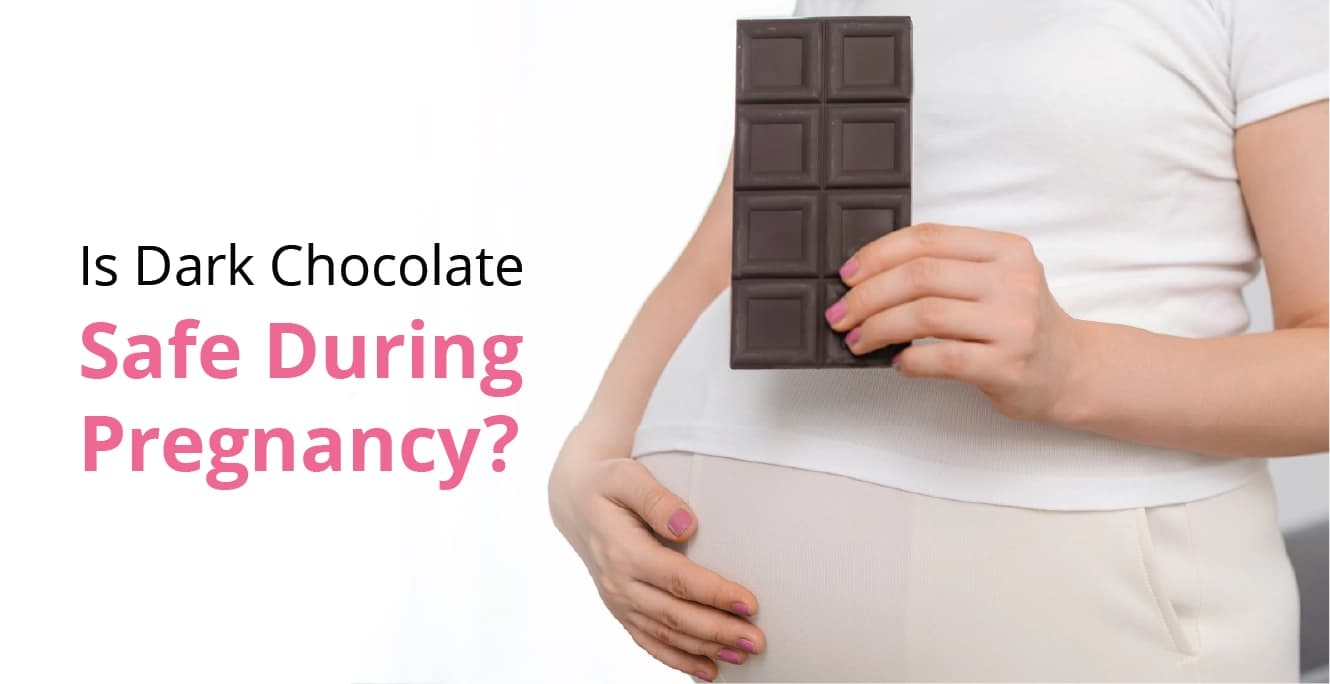
Is Dark Chocolate Safe During Pregnancy?

Table of Contents
- Is Chocolate Safe During Pregnancy?
- How Much Chocolate Is Safe During Pregnancy?
- Types of Chocolates That Can Be Taken During Pregnancy
- Benefits of Having Dark Chocolate During Pregnancy
- Nutritional Value from Dark Chocolate
- Tips to Take Dark Chocolate Safely During Pregnancy
- Consumption of Dark Chocolate by Trimester
- When to Avoid Dark Chocolate During Pregnancy?
- Wrapping it Up!
- FAQs
Chocolate cravings are quite common during pregnancy. Even women who do not usually enjoy it may suddenly feel like having a piece, sometimes after meals, sometimes just randomly during the day. That is usually when the question comes up is it actually safe right now? With so many food-related dos and don’ts in pregnancy, it is normal to feel confused about something as simple as chocolate. The good part is, it does not need to be looked at as a strict yes or no. It is more about how much you are having and how it fits into your overall diet.
Is Chocolate Safe During Pregnancy?
In most situations, eating chocolate during pregnancy is not something you need to worry about. It is not considered harmful when eaten in normal amounts. The confusion usually comes from what chocolate contains, not the chocolate itself. For example, chocolate has a small amount of caffeine. It is nowhere close to what you get in coffee, but it is still there. It also has sugar, especially in milk and white chocolate. So the real concern is not “yes or no”, but more about how much and how often.
If your pregnancy is uncomplicated and your doctor has not given you any specific dietary restrictions, having a bit of chocolate once in a while is generally fine. Most women do include it without any issues. Where it can become a problem is when it turns into a daily habit in large quantities. That is when sugar and caffeine intake can slowly go beyond what is recommended. So instead of thinking of chocolate as something to avoid, it helps to look at it as something to be mindful about.
How Much Chocolate Is Safe During Pregnancy?
There is no exact number here, and that is what usually confuses people. If you feel like having chocolate, a small piece is fine. Maybe a couple of squares, not the whole bar. It is really that simple. The only thing to keep in the back of your mind is caffeine. Chocolate has a little bit of it. On its own, it is not much. But if your day already includes tea or coffee, then it starts adding up without you realizing.
Also, it is easy to overeat chocolate without noticing. One piece turns into a few more, especially when the craving hits. That is where it becomes less about safety and more about excess sugar. So instead of thinking in numbers, it helps to just pause and ask — is this a small craving, or am I eating it out of habit? That usually answers it.
Types of Chocolates That Can Be Taken During Pregnancy
Not all chocolates are the same, even though they may look similar on the shelf. The main difference comes down to how much cocoa and sugar they contain.
- Dark chocolate: If you are choosing one, this is usually the better option. It has more cocoa and is not as sugary. Even then, it is something to have in small amounts, not daily.
- Milk chocolate: This is the more common one people reach for. It tastes milder, but it also has more sugar. Having it once in a while is fine, but too large portions should be avoided.
- White chocolate: This is mostly sweet and does not really have cocoa in the way dark chocolate does. It is better to treat it like an occasional dessert rather than something with any real benefit.
You do not need to overanalyze it. If you feel like having chocolate, picking a darker one and keeping the portion small usually works well.
Benefits of Having Dark Chocolate During Pregnancy
If you are having dark chocolate once in a while, there are a few reasons why it is often considered good:
- It has antioxidants: Dark chocolate contains flavonoids, which help the body deal with everyday stress and oxidative damage.
- It may help with blood pressure and circulation: Cocoa is linked to better blood flow, and some studies have even looked at its role in lowering the risk of pregnancy-related high blood pressure.
- It can improve mood: It is not just in your head. Chocolate can trigger feel-good hormones like serotonin, which is why it sometimes feels calming.
- It provides small amounts of nutrients: It does contain iron, magnesium and a few other minerals, though not in very high amounts.
- It may support placental blood flow: Some research suggests better circulation to the placenta with cocoa intake, though this is still being studied.
That said, this does not mean more is better. Most of these benefits are linked to small quantities. Once chocolate intake increases, it is mostly extra sugar and calories, which is not what you want during pregnancy.
Nutritional Value from Dark Chocolate
The values can vary slightly depending on the brand, but for 100 grams of 70–85% dark chocolate, the approximate nutritional values are:
| Nutrition | Approximate Value (per 100 g) |
| Calories | ~590–600 kcal |
| Fats | ~42–43 g |
| Carbohydrates | ~45–46 g |
| Sugar | ~23–24 g |
| Protein | ~7–8 g |
| Fiber | ~10–11 g |
| Iron | ~10–12 mg |
Dark chocolate does give some nutrients, but it also brings fats and calories with it. That is why it is better to keep it occasional rather than treating it like a health food that can be eaten every day.
Tips to Take Dark Chocolate Safely During Pregnancy
If you plan to include dark chocolate in your diet, a few small things can make it easier to manage:
- Eat only a small piece at one time
- Do not make it an everyday habit
- Choose dark chocolate with more cocoa and less sugar
- If you also drink tea or coffee, keep that in mind because chocolate has caffeine, too
- Avoid eating it late if you usually get acidity
- Check the ingredients; some bars have too much sugar or fillings
- If it does not suit your body, stop or reduce it
You do not need to follow strict rules here. Just staying a little aware is usually enough.
Consumption of Dark Chocolate by Trimester
There is no separate rule for each trimester. It mostly stays the same, but your tolerance can change.
In the first trimester, many women deal with nausea. Chocolate can feel too rich or sweet during this time. If it makes you uncomfortable, it is better not to have it.
By the second trimester, things usually settle. Appetite improves, and having a small amount of dark chocolate once in a while is generally okay.
In the third trimester, you can still have it, just keep the quantity low. Eating more than needed may lead to acidity, heartburn, or trouble sleeping, especially at night.
When to Avoid Dark Chocolate During Pregnancy?
Avoid eating dark chocolates in the following cases:
- You have gestational diabetes or high sugar levels.
- You are experiencing frequent heartburn, bloating, restlessness or acidity.
- You are sensitive to caffeine.
- Your doctor has advised you to limit sugar intake.
Wrapping it Up!
Are you still wondering if it is okay to have dark chocolate during pregnancy? A small amount is generally considered fine. Even if you do eat it, dark chocolate is said to contain some antioxidants and minerals, and many women feel it helps with a better mood as well. However, it still comes as something to keep limited. What matters more is how often you have it. If it stays occasional and the portion is small, there is usually nothing to worry about. And like everything else during pregnancy, just see how your body responds. If it suits you, you can include it. If not, it is perfectly okay to leave it out.
FAQs
How much chocolate is safe during pregnancy?
A small amount is fine. Think a few pieces, not the whole bar. It should not be something you are eating every day.
Which type of chocolate is best in pregnancy?
Dark chocolate is usually a better option because it has less sugar compared to milk or white chocolate.
Is taking excessive sugar harmful in pregnancy?
Yes. Too much sugar can increase the risk of gestational diabetes and unnecessary weight gain.
Can chocolate cause miscarriage?
No, chocolate itself is not linked to miscarriage when eaten in normal amounts.
Can chocolate be consumed in all trimesters?
Yes, but the quantity should stay limited. Also, how your body reacts may change in each trimester.
Can chocolate affect babies during pregnancy?
In small amounts, it does not harm the baby. The concern is only when intake becomes high, mainly due to sugar and caffeine.
Our Fertility Specialists
To know more
Birla Fertility & IVF aims at transforming the future of fertility globally, through outstanding clinical outcomes, research, innovation and compassionate care.


Had an IVF Failure?
Talk to our fertility experts