
 Our Centers


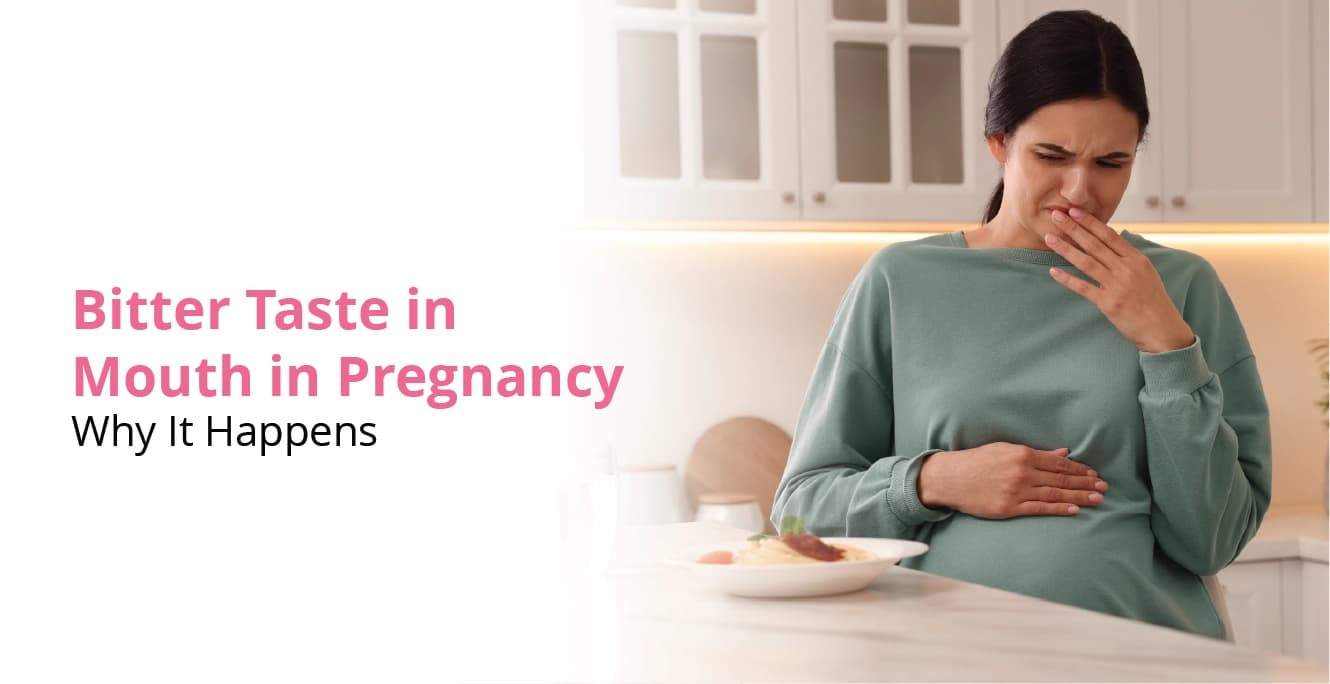
Bitter Taste in Mouth in Pregnancy:What It Means and How to Manage It

Table of Contents
- Causes of Bitter Taste in Pregnancy
- Symptoms of Bitter Taste in Pregnancy
- Diagnosis of Bitter Taste in Pregnancy
- Treatment of Bitter Taste in Pregnancy
- How Long Does it Last?
- Home Remedies for Bitter Taste in Mouth During Pregnancy
- Preventive Measures
- When Does Bitter Taste in Pregnancy Start?
- Diet and Lifestyle Tips
- When to See a Doctor?
- Conclusion
- FAQs
Have you experienced a situation where you take a bite of your favourite meal, and suddenly, something feels off.
There can be a lingering taste that makes even familiar foods taste bitter.
If you’re pregnant, this experience is more common than you might think.
Many women notice unexpected changes in taste early on, often without a clear reason. While it can be very confusing and uncomfortable, it is not that uncommon. At Birla Fertility & IVF, we understand how even a small symptom can feel concerning when couples are on their parenthood journey.
With the right guidance and simple steps, this temporary change can be managed easily. This blog will help you understand about the nitty gritty of why a bitter taste occurs during pregnancy, how long it lasts, and the simple ways to manage it effectively.
Causes of Bitter Taste in Pregnancy
First, let’s understand the common cause of having a bitter taste in pregnancy. Here are they:
Hormonal changes
Due to hormonal changes like increase of estrogen, your taste buds may be strongly impacted. This is the reason why you become more sensitive to some food items and flavours.
Heightened senses
Your sense of taste and smell are generally heightened during pregnancy. This sensitivity can make common food items taste bitter, occasionally giving a metallic taste.
Morning sickness and acid reflux
During pregnancy, nausea, vomiting, and heartburn, also referred to as GERD or acid reflux are frequently experienced. A metallic or sour taste may be left behind when stomach acid enters your mouth.
Prenatal vitamins and supplements
The vitamins you take to support your baby are packed with minerals. A distinct metallic aftertaste may be left by some, particularly those with a high iron content.
Changes in saliva
You may experience an increase in saliva production or a change in the makeup of your saliva. Your perception of taste may be directly impacted by these alterations in your saliva.
Dehydration
Dehydration and a dry tongue can result from not drinking enough water, which can intensify and highlight the metallic taste.
Oral health issues
Your gums may become more vulnerable to diseases like gingivitis (gum inflammation) during pregnancy. An odd taste in the tongue can occasionally be caused by any oral health problems or gum diseases.
Other illnesses
Inflammation and congestion because of allergies or respiratory diseases (such as a cold or sinus infection) can also change your taste buds. In rare cases, underlying medical disorders may also play a role. So, it’s a good idea to let your doctor know about any ongoing symptoms.
Symptoms of Bitter Taste in Pregnancy
A persistent bitter taste in the mouth is the main symptom of this disorder, however depending on the underlying reason, there may be additional symptoms as well. Here are a few typical signs to watch out for:
- Persistent metallic or bitter flavor that doesn’t go away
- Reduced salivary flow or dry mouth
- burning feeling in the throat or mouth
- Having trouble speaking or swallowing
- Halitosis, or bad breath
- Vomiting or nausea (when digestive issues are present)
- Hoarseness or sore throat (in situations of respiratory illnesses)
- Weakness or exhaustion (if there are underlying medical issues)
Diagnosis of Bitter Taste in Pregnancy
It’s crucial to see a doctor for a precise diagnosis if you have a persistent bitter taste in your mouth. Here are a few typical methods for diagnosis:
- Medical History: During a thorough medical history, your treating physician will inquire about your symptoms, food preferences, prescription drugs, and any underlying health issues.
- Oral Examination: Any oral health problems that might be causing the bitter taste can be found by examining the mouth, teeth, gums, and tongue.
- Laboratory Tests: To rule out underlying medical disorders, your doctor may request a variety of laboratory tests, such as blood tests, saliva tests, or imaging investigations, based on your symptoms and medical history.
- Taste Bud Assessment: To examine your taste buds’ functionality and spot any possible damage or dysfunction, your doctor may occasionally conduct a taste bud assessment.
- Consultation with Specialists: Your doctor may recommend that you see a gastroenterologist, endocrinologist, or neurologist for additional testing and diagnosis if the reason behind the bitter taste is not immediately evident.
Treatment of Bitter Taste in Pregnancy
The underlying reason for a bitter taste in the mouth will determine the course of treatment. Here are a few typical methods of treatment:
- Treating Underlying Medical Conditions: Treating the underlying reason is crucial if the bitter taste is caused by illnesses such acid reflux, respiratory infections, or hormonal abnormalities. This could entail prescription drugs, lifestyle modifications, or other focused treatments.
- Oral Hygiene and Dental Treatment: Your dentist may suggest suitable dental procedures, antibiotics, or antifungal drugs if the bitter taste is associated with oral health conditions including cavities, gum disease, or oral thrush.
- Medication Adjustments: Your doctor may change the dosage or recommend a different drug if the bitter taste is a side effect of a particular medication.
- Saliva Stimulation: A bitter taste may be exacerbated by a dry mouth. Using artificial saliva products, sucking on sugar-free candies, or using oral moisturizers are some methods your doctor might suggest to boost saliva production.
- Taste Bud Retraining: To assist restore normal taste perception, doctors may occasionally suggest taste bud retraining therapy. This treatment entails progressively retraining the taste buds to identify and value distinct tastes by exposing them to a variety of flavors.
- Dietary Adjustments: Food may taste harsh at times. You can lessen the bitter taste sensation by making dietary changes, such as avoiding certain bitter-tasting foods or drinks. Appropriate dietary adjustments can be suggested by your dietician.
How Long Does it Last?
A bitter taste during pregnancy usually begins in the first trimester and may continue into the second trimester. For many women, it gradually fades as hormone levels begin to stabilise. In some cases, it can last longer, depending on individual hormonal changes and sensitivity. While it may feel persistent, this symptom is typically temporary and tends to improve on its own as the pregnancy progresses, especially with simple dietary and lifestyle adjustments.
Home Remedies for Bitter Taste in Mouth During Pregnancy
While getting medical help is crucial if you have a chronic bitter taste in your mouth, there are several home remedies that can either supplement or offer short-term relief. Consider the following home treatments for bitter taste in the mouth:
- Keep Hydrated: To help eliminate any residual bitter compounds and encourage the production of saliva, which can help offset the bitter taste, drink as much water as possible.
- Chew Sugar-Free Gum: These help temporarily hide the bitter taste by increasing salivation.
- Eat Acidic Foods and Drinks: Consuming acidic foods and drinks, such as tomatoes, citrus fruits, or unsweetened cranberry juice, can help counteract the bitter taste in the mouth.
- Maintain Good Oral Hygiene: You can get rid of any bacteria or food particles that might be causing the bitter taste by brushing, flossing, and using an antibacterial mouthwash.
- Try Baking Soda Rinse: You can neutralize your mouth’s pH and lessen the bitter taste by mixing a teaspoon of baking soda with 180 milliliters (or one glass) of lukewarm water.
- Eat Dairy Products: Milk, yogurt, and cheese are examples of dairy products that can help coat the palate and momentarily mask the bitter taste.
- Suck on Lemon or Lime Wedges: The bitter taste in your tongue might be lessened by the citric acid in lemons and limes.
Preventive Measures
Hormonal fluctuations cannot be completely avoided, but you can lessen their effects:
- Keep your teeth clean.
- Make sure you stay hydrated throughout the day.
- Steer clear of strong-smelling foods if they make you uncomfortable.
- If ordinary toothpaste tastes too strong, choose mildly flavored toothpaste.
- To promote general health, get enough sleep.
- The secret is to be consistent. Little daily actions frequently result in discernible relief.
When Does Bitter Taste in Pregnancy Start?
A bitter taste in pregnancy often begins early, sometimes even before you realise that you’re pregnant. In most cases, it starts in the first trimester itself, around 4-5 weeks. This happens because of hormonal changes, especially rising estrogen levels which further affect the sense of taste. This condition is known as dysgeusia, that makes food taste metallic or unpleasant. While the timing can vary from person to person, it’s commonly one of the early, temporary symptoms of pregnancy.
Diet and Lifestyle Tips
- Stay Hydrated- One must drink plenty of water throughout the day to help reduce the lingering bitter or metallic taste.
- Eat Small, Frequent Meals– If the situation persists, you can manage the bitter taste by eating small meals to prevent an empty stomach.
- Include Citrus & Fresh Foods- Include fruits like lemon, orange, and fresh vegetables that can help neutralise the bitter taste.
- Maintain Good Oral Hygiene- Brush your teeth regularly, use a mild mouthwash, and clean your tongue to reduce taste disturbances.
- Avoid Trigger Foods– You must limit overly spicy, fried, or strong smelling foods that may intensify the bitter taste.
When to See a Doctor?
Regular or severe symptoms should be reported to your doctor, even if a bitter taste in the mouth during pregnancy is usually not harmful. See a doctor if you have nausea, vomiting, or excessive salivation that interferes with your everyday activities and is accompanied by a bitter taste in your mouth.
Conclusion
Although it might be unsettling, a bitter taste in the tongue during pregnancy is typically a natural part of the early stages of pregnancy. The problem is usually resolved by simple home care procedures or spontaneous resolution. Home remedies for bitter mouth taste during pregnancy, such as drinking more water, maintaining good dental hygiene, and avoiding reflux triggers, can play a significant role.
Don’t put off seeing a specialist if there is a bitter taste in your mouth throughout pregnancy.. Schedule a consultation with our experts to help you out with the best path forward.
FAQs
Why is there a bitter taste in pregnancy?
There are various reasons behind the bitter metallic taste in the mouth during pregnancy. The most common reasons are hormonal changes, morning sickness and acid flux, dehydration, oral health issues, and more.
How long does the bitter taste in pregnancy last?
A bitter taste during pregnancy usually begins in the first trimester and may continue into the second trimester. For many women, it gradually fades as hormone levels begin to stabilise. In some cases, it can last longer, depending on individual hormonal changes and sensitivity.
Which fruits should be taken for bitter taste?
Fruits like lemon, orange, and fresh vegetables can help neutralise the bitter taste in your mouth during pregnancy.
Our Fertility Specialists


Kozhikode, Kerala
Dr. K U Kunjimoideen
MBBS, MD, DNB (Obstetrics and Gynaecology), Chairperson Of Kerala ISAR 2022-2024


Palakkad, Kerala
Dr. Kalpana P
MBBS, MS, DNB, FNB in Reproductive Medicine

Rohini, Delhi
Dr. Karishma Makhija
MBBS, DGO, DNB

Chennai, Tamil Nadu
Dr. Indumathy Vallimuthu
MBBS, DGO, FRM
Related Blogs




To know more
Birla Fertility & IVF aims at transforming the future of fertility globally, through outstanding clinical outcomes, research, innovation and compassionate care.


Had an IVF Failure?
Talk to our fertility experts