
 Our Centers


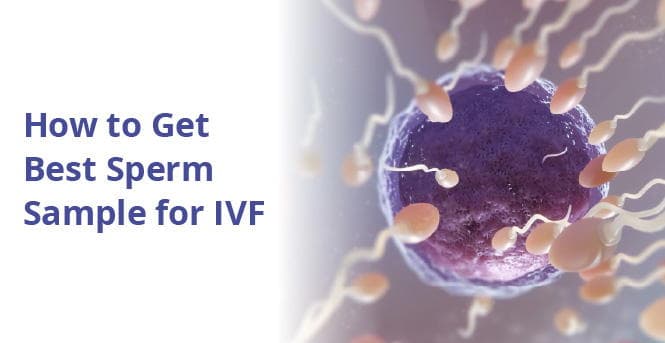
How to Get the Best Sperm Sample for IVF

Table of Contents
Are you one of the couples struggling to conceive naturally?
Don’t worry. Infertility affects millions of people across the nation. While most discussions focus on women’s reproductive health, male infertility generally receives less attention.
In an IVF treatment, the quality of the sperm sample is an integral part of the process. It also affects the treatment’s success rate. We at Birla Fertility & IVF understand that preparing for IVF can be both thrilling and overwhelming.
Do you wonder “How to get the best sperm sample for IVF “? It is a common question, especially for men who want to ensure their sperm sample is of the highest quality.
This blog explains how our expert team of specialists can assist you during the procedure and offers essential guidance on collecting the optimal sperm sample for IVF.
Importance of a Good Sperm Sample
A quality sperm sample is essential to the success of in vitro fertilisation. Fertilisation and the development of the embryo are directly impacted by the quantity, quality, and motility of sperm.
It is estimated that between 40 and 50 percent of infertility cases in India are caused by male infertility. Results can be greatly enhanced by maintaining a healthy lifestyle, reducing stress, and abstaining from alcohol and tobacco for a few days before to sample collection.
In addition to increasing the likelihood of successful fertilisation, a robust sperm sample also improves the quality of the embryo, bringing couples one step closer to realising their goal of becoming parents.
Tips for Collecting the Best Sperm Sample
Here are some tips that you should keep in mind during sperm collection for the IVF process:
- Follow the Sperm Collection Guidelines – The first and foremost tip is to carefully follow all the instructions for sperm collection provided by your healthcare centre.
- Timing is Everything – Your sperm quality can be significantly impacted by the timing of your reproductive activities. The majority of clinics recommend not ejaculating for two to five days prior to sample collection.
- Prevent Heat Exposure – The quality of sperm can be affected by prolonged exposure to heat. We recommend avoiding saunas, hot baths, and tight clothing.
- Stay Hydrated – Sperm health also depends on adequate hydration. To guarantee the best possible volume and quality of semen, stay hydrated in the days leading up to the collection.
- Limit the Consumption of Alcohol and Tobacco – These substances might negatively impact the motility and quality of sperm. In the days leading up to your sample collection, it is advisable to avoid these substances.
- Maintain a Healthy Diet – Sperm quality can be improved by eating a balanced diet high in vitamins and minerals. To promote reproductive health, emphasise diets rich in zinc, omega-3 fatty acids, and antioxidants.
- Keep It Warm – Before processing, sperm must be kept at a warm temperature. To preserve the sample’s viability, if you’re travelling a long way to the clinic, keep it close to your body temperature.
- Manage Stress Levels – Stress might affect the quality of sperm. To help you remain composed throughout the collection process, practice relaxation techniques such as deep breathing or meditation.
Methods of Sperm Collection
There are several ways of sperm collection that can be used to ensure accuracy, comfort, and the best outcomes for IVF treatment. Here are some of the most popular ones:
Masturbation
This is the most common and preferred method of sperm collection. The semen sample is collected in a sterile container in a private environment. The doctors generally recommend not engaging in any sexual activity, including masturbation, for 2-5 days prior to the sample collection. This helps ensure optimal sperm quality.
Testicular Sperm Aspiration (TESA)
It is the second method of collecting sperm. A minimally invasive procedure is performed under local anaesthesia. In TESA, the sperm is directly collected from the testes. It is especially done in cases when ejaculation is not possible or the sperm count is extremely low.
Precutaneous Epididymal Sperm Aspiration (PESA)
In this method, the sperm is extracted from the epididymis using a fine needle and PESA is mostly recommended for men with blocked sperm ducts or ejaculation issues.
Testicular Sperm Extraction (TESE)
Men suffering from azoospermia are recommended to collect sperm with the help of the TESE method. For those who don’t know, azoospermia is a condition where there is no sperm in the semen. Testicular Sperm Extraction is a minimally invasive surgical procedure in which a small sample of tissue is removed from the testis.
Each method is selected based on individual medical needs to ensure a safe, comfortable, and effective sperm retrieval experience.
Process of Collecting the Best Sperm Sample
There is a specific process that needs to be followed when collecting the best sperm sample. It includes both mental and physical factors, as well as the environment in which it is collected.
Let’s understand these factors briefly:
Mental and Physical Preparation
If you thought an individual’s physical and mental health had no contribution to the sperm quality, then you are mistaken. It can affect the quality; however, here are some tips that can help you prepare before your sperm collection date:
- Relaxation Technique – Incorporate relaxation techniques, such as deep breathing or meditation, into your daily routine. It will help you lessen stress and anxiety, which negatively impact sperm production.
- Adequate Sleep – To enhance the general health and vitality of sperm, make sure you get a decent night’s sleep prior to the collection day.
- Abstinence – Do not get involved in ejaculation for two to three days before sample collection.
Environmental Factors to Consider
The quality of the sperm sample is significantly influenced by the environment in which it is collected. Paying close attention to details helps guarantee the sample’s integrity and avoid contamination:
- Temperature– One should maintain a comfortable temperature in the room where the sperm will be collected. Too much heat can harm the quality of sperm.
- Cleanliness– Dust and chemical vapours, which might lower the quality of sperm, should not be present in the collection area.
- No Lubricants- There are chemicals in lubricants that can harm sperm, so one must avoid using them unless the reproductive clinics have cleared them.
A high-quality sample, which is essential for the success of IVF treatments, can be obtained by making sure that both physical comfort and mental calm are taken care of on the day of sperm collection.
Handling and Transporting the Sperm to the Lab
If you think IVF sperm collection makes it all job done, then you are mistaken. Once you have collected the sample, whether in a clinic or your private space, there are certain things to keep in mind while handling it. You must be very careful when transporting the sample to the lab. Like:
- It should always be kept in a sterile container that is provided by your healthcare centre. Do not use condoms or home containers for collecting the sperm.
- Always maintain the temperature during transportation at approximately 37°C, neither too hot nor too cold.
- The sample should reach the lab within 30–60 minutes of collection for the most accurate results.
- The container lid should be tightly closed during transportation to prevent leakage.
Tips for Managing Good Sperm
Good sperm means better chances of getting pregnant with your partner. Here are some tips that can help you manage the quality and quantity of the sperm:
Eat Balanced Food – Maintaining a healthy and balanced diet is crucial. Add foods that are rich in antioxidants, vitamin C and E, zinc, and folic acid. These support sperm quality.
Regular Exercise – Adding exercise to one’s normal daily routine helps maintain hormone balance and supports sperm health.
Avoid Smoking or Drinking– If you are a chain smoker or indulge in excessive drinking, then stop at once. These can lower the sperm count and motility.
Manage stress: High stress levels can impact hormone levels and sperm function.
Get regular check-ups: Routine fertility evaluations at Birla Fertility & IVF can help monitor sperm health and detect issues early.
Bottom Line
Now you must have understood how to make sure they the lab or you can collect the best sperm samples to increase the chances of conception. Keep the above-mentioned things in check and maintain a supportive environment. These tips will help you enhance your sperm quality, thereby increasing the likelihood of IVF success.
In case of any confusion, get in touch with our experts at Birla Fertility & IVF. They will help you throughout the process of collecting the sperm diligently and patiently.
FAQ’s
What is the ideal temperature for storing the sperm after collection?
The ideal temperature for storing the sperm after collection is 37°C, which is neither too hot nor too cold.
At what age is the crucial time for sperm collection in IVF?
Sperm quality starts declining noticeably after age 40, making 35–40 years an important window for sperm collection in IVF. Collecting and testing sperm within this age range can improve the chances of IVF success.
Our Fertility Specialists


Kozhikode, Kerala
Dr. Shifa Safarulla
MBBS, MS (Obstetrics & Gynaecology)


Salem, Tamil Nadu
Dr. S. VANITHADEVI
MBBS, MD (Obstetrics and Gynaecology)

Dwarka, Delhi
Dr. Rekha Brar
MBBS, DNB, Fellowship in Fertility Medicine

Mumbai, Maharashtra
Dr. Navina Singh
MBBS, MS (Obstetrics and Gynaecology), MRM (London), DRM (Germany)
Related Blogs





To know more
Birla Fertility & IVF aims at transforming the future of fertility globally, through outstanding clinical outcomes, research, innovation and compassionate care.


Had an IVF Failure?
Talk to our fertility experts