
 Our Centers
 Select City


 Select City
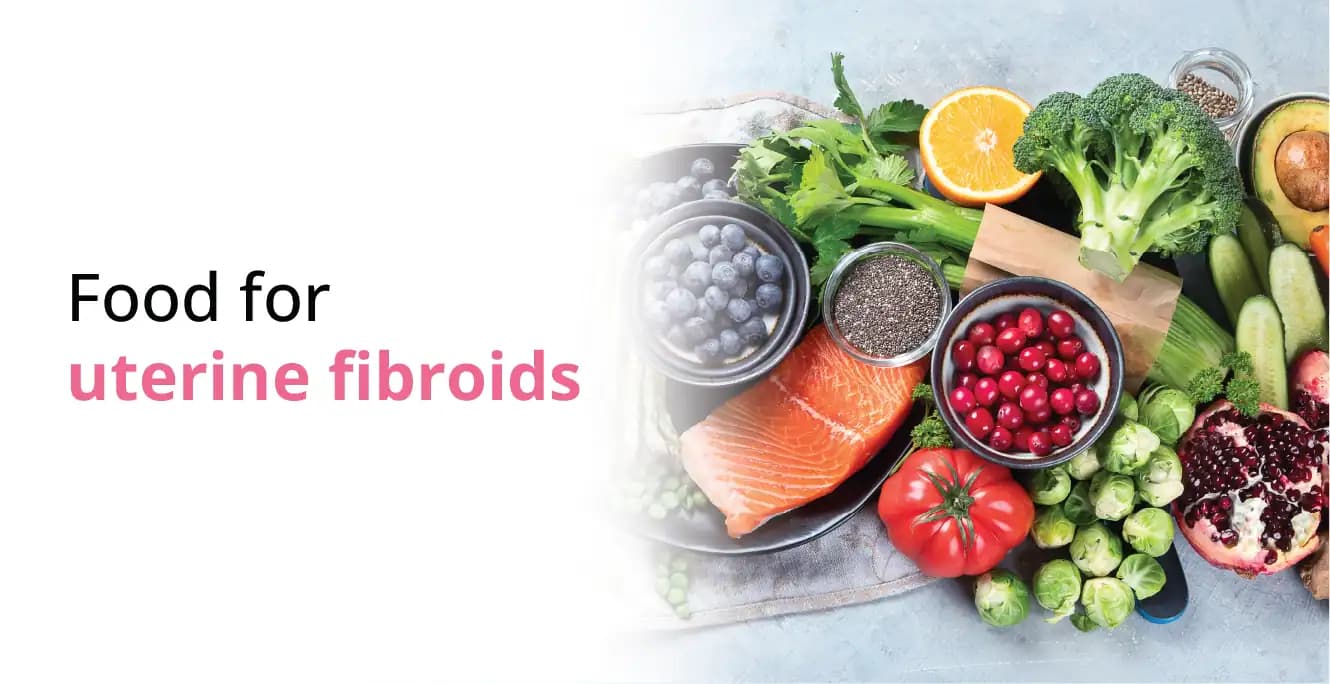
Best Food for Managing Uterine Fibroids

Table of Contents
- Key Takeaways
- Role of Diet in Managing Uterine Fibroids
- Foods That Help Reduce the Risk of Uterine Fibroids
- Foods to Avoid With Uterine Fibroids
- 7 Foods for Shrinking Fibroids Naturally
- Supplements and Nutritional Support
- Lifestyle Changes to Help Shrink Fibroids
- 1. Which foods are best for managing uterine fibroids?
- 2. Which foods should be avoided with uterine fibroids?
- 3. Can uterine fibroids shrink naturally with food?
- 4. Is milk good for uterine fibroids?
- 5. Are flaxseeds good for uterine fibroids?
- 6. Is green tea beneficial for uterine fibroids?
- 7. Can uterine fibroids be managed without surgery?
- 8. What is the best breakfast for someone with uterine fibroids?
- 9. Can uterine fibroids affect fertility?
- 10. Does vitamin D help manage uterine fibroids?
Key Takeaways
-
Diet Matters: Focus on a nutrient-rich diet with high-fibre foods, antioxidants, and healthy fats to regulate hormones and reduce inflammation.
-
Foods to Include: Incorporate flaxseeds, turmeric, leafy greens, whole grains, berries, and omega-3-rich foods like walnuts and chia seeds.
-
Foods to Avoid: Limit refined carbs, high-fat dairy, processed meats, sugary foods, and excessive caffeine or alcohol.
-
Healthy Lifestyle: Combine a balanced diet with regular exercise, stress management, adequate sleep, and avoiding environmental toxins for optimal results.
-
Consult professionals: Always work with a doctor for personalised advice tailored to your health needs.
If you’ve been diagnosed with uterine fibroids, you might be wondering how to manage your symptoms and shrink those pesky growths. These non-cancerous fibroids in the uterus affect many women, often causing symptoms like heavy periods, pelvic pain, and frequent urination. While there’s no magic cure, making smart dietary choices can go a long way in supporting your hormonal health and easing discomfort. But with so much conflicting advice out there, it’s hard to know where to start. In this article, we’ll dive into the foods to eat if you have uterine fibroids, explore foods to avoid, and share practical tips for adding fibroid-friendly foods to your diet. Let’s get started!
Role of Diet in Managing Uterine Fibroids
Diet plays a crucial role in managing uterine fibroids, offering several benefits that can improve overall health and alleviate symptoms.
-
Hormonal balance: A well-balanced diet can help regulate hormone levels, which is essential as hormonal imbalances often contribute to the growth of fibroids.
-
Inflammation reduction: Certain dietary choices can reduce inflammation in the body, potentially minimising discomfort and pain associated with fibroids.
-
Symptom relief: A nutrient-dense diet may lead to a decrease in heavy menstrual bleeding and pelvic pressure, enhancing the quality of life for those affected by fibroids.
-
Weight management: Maintaining a healthy weight through diet can also be beneficial, as excess body fat may influence hormone levels and fibroid growth.
-
Overall health improvement: A focus on whole foods promotes better overall health, which can support the body’s ability to cope with fibroids and improve general well-being.
Foods That Help Reduce the Risk of Uterine Fibroids
Choosing the right foods isn’t just about staying healthy—it’s about giving your body what it needs to balance hormones, reduce inflammation, and maintain a healthy weight. The best part? Small, simple changes to your diet can have a big impact. Here are some good foodsfor the uterus that can help you stay one step ahead of fibroids:
1. High Fibre Foods
Fruits, vegetables, leafy greens, and whole grains are excellent sources of dietary fibre. These high-fiber foods help eliminate excess oestrogen from the body and maintain a healthy Body Mass Index (BMI), which can reduce the risk of developing uterine fibroids. Some examples of high-fiber foods for uterine fibroids to include in your diet are:
-
Leafy greens like spinach, amaranth, and fenugreek (methi)
-
Cruciferous vegetables such as broccoli, cauliflower, and cabbage
-
Whole grains like brown rice, ragi, and barley
2. Low-fat Dairy Products
Low-fat dairy products are rich in calcium and probiotics, which can help reduce the risk of uterine fibroids. Calcium is essential for maintaining strong bones and regulating muscle contractions, while probiotics support digestive health and immune function. Some low-fat dairy options to consider are:
-
Low-fat milk
-
Yoghurt (dahi)
-
Cottage cheese (paneer)
3. Vitamin D-rich Foods
Vitamin D plays a crucial role in reducing the risk of uterine fibroids. Foods rich in vitamin D include:
-
Fatty fish (salmon, tuna, mackerel)
-
Egg yolks
-
Mushrooms
-
Fortified dairy products and cereals
Spending time in sunlight can also help your body produce vitamin D naturally.
4. Antioxidant-rich Foods
Antioxidants help reduce inflammation and fibroid growth by neutralising harmful free radicals in the body. The best foods for uterine fibroids high in antioxidants include:
-
Berries like strawberries, blueberries, and raspberries
-
Turmeric, a spice with potent anti-inflammatory properties
-
Cruciferous vegetables such as cabbage and cauliflower
5. Healthy Fats and Omega-3 Sources
Incorporating healthy fats and omega-3 fatty acids into your diet can help manage uterine fibroids by reducing inflammation and regulating hormone levels. Some excellent sources of healthy fats and omega-3s are:
-
Flaxseeds
-
Chia seeds
-
Walnuts
For a quick breakfast that may help manage uterine fibroids, try making Instant Rawa Uttapam. Combine 1 cup of rawa with 1 cup of yoghurt and 1/2 cup of water in a bowl, letting it soak for about 10 minutes. Chop your choice of vegetables, such as red onion, bell peppers, tomatoes, and green chilies, and mix them into the batter along with salt and optional ginger-chili paste. Heat a frying pan with a little oil, pour in the batter to form a thick pancake, cover it for about a minute, then sprinkle the remaining vegetables on top before flipping to cook both sides. Serve hot with coconut or green chutney for added flavor. This nutritious dish is rich in fiber and probiotics, supporting digestive health and helping to regulate oestrogen levels.
Foods to Avoid With Uterine Fibroids
When dealing with uterine fibroids, being mindful of what you eat is just as important as focusing on what to include in your diet. Certain foods can negatively affect hormone levels, increase inflammation, and potentially contribute to fibroid growth. By limiting or avoiding these foods, you can support better hormone balance and overall well-being. Here are some foods to steer clear of when managing or preventing uterine fibroids:
1. Refined Carbohydrates
White foods like pasta, white bread, and white rice are refined carbohydrates that can increase oestrogen levels in the body, potentially exacerbating fibroid growth. It’s best to limit or avoid these foods and opt for whole-grain alternatives instead.
2. High-fat, Processed Meats
Red processed meats like sausages and hot dogs are high in saturated fats and can disrupt hormone levels, promoting fibroid growth. Limit your intake of these meats and choose lean protein sources instead.
3. High-fat Dairy Products
Conventional dairy products, particularly high-fat options, may promote fibroid growth due to their potential impact on hormone levels. Opt for low-fat or non-dairy alternatives to minimise this risk.
4. Foods High in Salt and Sugar
Highly salted and sugary foods can strain liver function and disrupt hormone balance, potentially worsening fibroid symptoms. Limit your intake of processed snacks, sugary drinks, and fast food to maintain a healthy diet.
5. Caffeine and Alcohol
Excessive consumption of caffeine and alcohol can disrupt hormone balance and exacerbate fibroid symptoms. While moderate consumption may be acceptable, it’s best to limit your intake of these substances to support overall health.
7 Foods for Shrinking Fibroids Naturally
Incorporating certain good foods for the uterus into your diet can help shrink fibroids naturally. These include:
|
Food |
Benefits |
|---|---|
|
Flaxseeds |
Rich in lignans with anti-oestrogenic properties |
|
Turmeric |
Contains curcumin, a powerful anti-inflammatory |
|
Whole Grains |
High in fibre to regulate hormone levels |
|
Green Tea |
Packed with antioxidants to reduce inflammation |
|
Garlic |
Anti-inflammatory and may help shrink fibroids |
|
Tomatoes |
Rich in lycopene, an antioxidant that may reduce fibroid size |
|
Olive Oil |
Contains healthy fats that support hormone balance |
Supplements and Nutritional Support
In addition to dietary changes, certain supplements can help create a better hormone balance and help to shrink uterine fibroids naturally.
-
Vitex, fish oil, and B-complex: These supplements are known to help regulate hormone levels and reduce inflammation in the body.
-
Organic foods: Choosing organic produce and meats can help reduce exposure to hormones and pesticides that may contribute to hormonal imbalances.
Lifestyle Changes to Help Shrink Fibroids
In addition to incorporating the healthy uterus foods mentioned above, making certain lifestyle changes can help shrink fibroids and manage symptoms.
-
Maintain a healthy weight through a balanced diet and regular exercise.
-
Reduce stress through relaxation techniques like yoga, meditation, or deep breathing exercises.
-
Limit alcohol consumption, as it can alter hormone levels and contribute to inflammation.
-
Avoid exposure to environmental toxins, such as pesticides and herbicides, which can disrupt hormone balance.
-
Consider supplements like vitamin D, omega-3 fatty acids, and green tea extract under the guidance of a healthcare provider.
While dietary changes can be effective in managing uterine fibroids, it’s essential to consult with a doctor for personalised dietary plans and supplement recommendations. Each individual’s needs may vary based on factors such as age, overall health, and the severity of their condition.
By incorporating the recommended foods, limiting or avoiding the foods mentioned, and making lifestyle changes, you can take a proactive approach to shrinking uterine fibroids naturally and promoting overall reproductive health.
Word from an expert:
Dietary changes can play a significant role in managing uterine fibroids. By incorporating foods that help regulate hormone levels, reduce inflammation, and promote overall reproductive health, women can take a proactive approach to managing their condition. However, it’s essential to work closely with your doctor to develop a personalised plan that meets your individual needs and takes into account any underlying health concerns. ~ Dr. Aashita Jain
Frequently Asked Questions (FAQs)
1. Which foods are best for managing uterine fibroids?
Foods rich in fibre, antioxidants, and healthy fats may support overall health when you have uterine fibroids. Include leafy green vegetables, whole grains, berries, flaxseeds, walnuts, and other nutrient-rich foods in your daily diet. A balanced diet can support your health, but it cannot guarantee that fibroids will shrink.
2. Which foods should be avoided with uterine fibroids?
It may help to limit processed meats, sugary drinks, refined carbohydrates, and highly processed foods. Focus on a balanced diet with fruits, vegetables, whole grains, and lean protein. No specific food needs to be completely eliminated unless advised by your doctor.
3. Can uterine fibroids shrink naturally with food?
Diet alone has not been proven to shrink uterine fibroids. Eating a balanced diet, maintaining a healthy weight, and exercising regularly can support overall health, but medical monitoring or treatment may be necessary depending on the size, location, and symptoms of the fibroids.
4. Is milk good for uterine fibroids?
Milk can be part of a balanced diet because it provides calcium and protein. You can include milk, curd, and other dairy products according to your nutritional needs and tolerance. There is no conclusive evidence that avoiding dairy products will shrink uterine fibroids.
5. Are flaxseeds good for uterine fibroids?
Flaxseeds contain fibre, healthy fats, and plant compounds called lignans. They can be included in a balanced diet, but there is insufficient evidence that flaxseeds directly shrink uterine fibroids or prevent their growth.
6. Is green tea beneficial for uterine fibroids?
Green tea contains antioxidants that may support general health. However, more research is needed to establish whether drinking green tea can reduce fibroid size or improve symptoms. It should not replace prescribed treatment.
7. Can uterine fibroids be managed without surgery?
Yes, some uterine fibroids can be managed without surgery, particularly when they cause no symptoms or only mild symptoms. Depending on the individual case, a doctor may recommend regular monitoring, medication, or other treatments. Dietary changes alone may not be sufficient to manage symptomatic fibroids.
8. What is the best breakfast for someone with uterine fibroids?
A balanced breakfast may include oats, whole-grain toast, vegetable poha, or vegetable uttapam. You can also include fruit, nuts, seeds, or curd to improve the meal’s nutritional value. Choose foods that suit your dietary needs and focus on variety rather than relying on a single food to manage fibroids.
9. Can uterine fibroids affect fertility?
Yes, some uterine fibroids can affect fertility, depending on their size and location. Fibroids that distort the uterine cavity may interfere with embryo implantation. However, many women with fibroids can conceive naturally. Consult a fertility specialist if you are planning a pregnancy.
10. Does vitamin D help manage uterine fibroids?
Vitamin D is important for overall health, and some studies have found an association between low vitamin D levels and uterine fibroids. However, more research is needed to determine whether vitamin D supplementation can prevent fibroid growth or reduce fibroid size. Consult your doctor before taking supplements.
Our Fertility Specialists
To know more
Birla Fertility & IVF aims at transforming the future of fertility globally, through outstanding clinical outcomes, research, innovation and compassionate care.


Had an IVF Failure?
Talk to our fertility experts