
 Our Centers


Chronic Endometritis: Causes, Symptoms & Treatment

Table of Contents
Chronic endometritis can feel confusing and even a little worrying, especially when you’re trying to understand why pregnancy isn’t happening or why certain symptoms keep coming back.
If you see symptoms or suspect that something might not be right, then you are not alone.
In many cases, women experience this condition without even realizing it for a long time. Chronic endometritis is simply an inflammation of the uterine lining, and the good news is that it’s treatable.
Many worry, “Can chronic endometritis be cured?”.
In this blog, we will understand its causes, symptoms, and treatment options. Knowing these will surely give you clarity, confidence, and the reassurance you deserve. Moreover, it will also help you move forward with your health and fertility journey.
What is Chronic Endometritis?
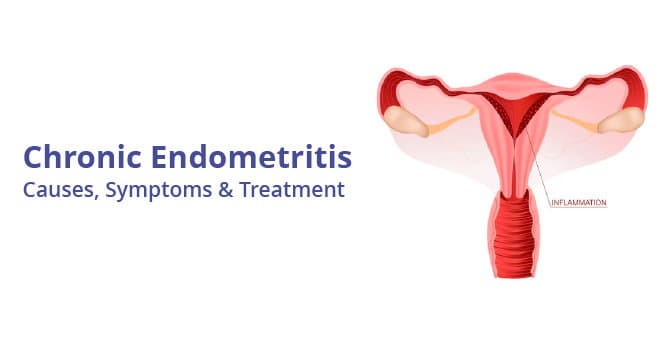
Mild but ongoing inflammation of the endometrium, the uterine lining, is the hallmark of chronic endometritis (CE). It is frequently referred to as a “silent condition” because, unlike acute endometritis, it typically exhibits no symptoms.
The presence of plasma cells, a type of immune cell, in the endometrial tissue is a crucial characteristic of CE. The endometrium does not normally contain plasma cells. Their existence is a reliable sign of persistent uterine inflammation or infection.
In contrast to acute infections, CE typically exhibits no symptoms, making it easy to ignore or misdiagnose.
What Causes Chronic Endometritis?
Here are some of the major causes of chronic endometritis that you should be aware of:
- Bacterial Infection – In some cases, prolonged and low-grade bacterial infections can lead to complications, such as chronic endometritis.
- Post-pregnancy Complications- This can happen after miscarriage, abortion, or even childbirth because of any remain of tissues inside the uterus.
- After Medical Procedures- Procedures like endometrial biopsy, IUD insertion, or dilation and curettage (D&C) may introduce bacteria into the uterus.
- Untreated Sexually Transmitted Infections– Infections like chlamydia or gonorrhea can often lead to inflammation if not diagnosed early for proper treatment.
- Vaginal Microbiome– When there are disruptions in healthy vaginal bacteria, it can allow harmful microbes to thrive and cause uterine inflammation.
These factors often contribute to the condition, especially when symptoms are mild or unnoticed
Symptoms of Chronic Endometritis
The chronic endometritis symptoms are frequently mild and undetectable. Nonetheless, the following chronic endometritis causes can help doctors understand better:
- You notice unusual uterine bleeding. This entails having periods that are significantly heavier than normal or spotting between cycles.
- Some women have ongoing pelvic pain.
- Keep an eye out for strange, foul-smelling vaginal discharge.
- This condition also frequently results in early pregnancy miscarriages.
- During cycles of assisted reproduction, some individuals have recurring implantation failure.
- You may have stomach pain that doesn’t go away with standard therapies.
- Another documented symptom of this illness is pain during or after sexual activity.
- Your symptoms might resemble those of a urinary tract infection. Urinating frequently or experiencing a burning feeling could be examples of this.
- Some women feel sick or feverish. This is less typical, though.
Diagnosis of Chronic Endometritis
Doctors perform several tests to diagnose chronic endometritis. These tests assist them in determining whether the uterine lining is inflamed. Here are the steps:
- Review of Medical History- The diagnosis begins with a consultation where the doctors discuss your symptoms, your menstrual history, and past pregnancies. You should carry documents related to past medical history, especially concerning treatments like IUD insertion, D&C, or biopsies.
- Pelvic Examination– The next step is the routine pelvic exam that helps check for tenderness, discharge, or signs of pelvic infection. They may indicate underlying inflammation.
- Endometrial Biosy– A small sample of the uterine lining is collected and examined under a microscope. The presence of plasma cells confirms chronic endometritis. This is the most accurate diagnostic method.
- Hysteroscopy– Chronic Endometritis can be detected by inserting a thin camera through the cervix to get a direct view of the uterus. It helps detect redness, polyps, adhesions, retained tissue, or other abnormalities linked to inflammation.
- Transvaginal Ultrasound- It is not a compulsion, but doctors recommend it at times to identify supportive signs. These include fluid in the uterus, irregular lining, or thickened endometrium.
- Microbiological Cultures or PCR Testing-These tests check for specific bacteria or sexually transmitted infections (like chlamydia or gonorrhea), which may be causing the inflammation.
Who Should Get a Chronic Endometritis Panel
A specialist set of diagnostic tests is called a Chronic Endometritis Panel. It is recommended by the doctors to identify persistent endometrial inflammation.
There is a relationship between chronic endometritis and infertility, which is why it is a must for women who are experiencing infertility that cannot be explained.
You should think about doing these tests if you experience any of the symptoms listed above. Early detection can increase the likelihood that reproductive treatments will be successful. Serious consequences like septic shock will be prevented. A potentially fatal drop in blood pressure brought on by a serious infection is known as septic shock. Get in touch with Birla Fertility & IVF’s expert team of specialists to know more about it.
What are the Chronic Endometritis Treatment Options
Wondering whether chronic endometritis can be cured? Well, yes. Usually, this entails using antibiotics. This is a basic explanation of how treatment usually proceeds:
- Oral Antibiotics- Physicians usually recommend a combination of two antibiotics. These are metronidazole and doxycycline. These medications are often recommended for a period of two weeks.
- Antibiotic Therapy Modification – The antibiotic regimen may be adjusted if the infection does not improve. Alternatively, the physician modifies the course of treatment based on the identification of particular bacteria through the culture.
- Endometrial Biopsy Follow-up: Your doctor may perform a second, minor biopsy once your antibiotics have been completed. This is to ensure that the infection’s symptoms have fully disappeared.
The Bottom Line
Although chronic endometritis may seem daunting, it is very controllable and frequently cured with prompt diagnosis and appropriate therapy. You may take charge of your reproductive health by being aware of its causes, symptoms, and available treatments. Getting assessed can make a big difference if you’ve been dealing with unexplained infertility, many miscarriages, or ongoing pelvic problems.
In addition to safeguarding the health of your uterus, early treatment increases your chances of future pregnancy success. Recall that experts are available to help you at every stage of your journey towards improved health and fertility, so you don’t have to face this alone.
Our Fertility Specialists


Kozhikode, Kerala
Dr. Shifa Safarulla
MBBS, MS (Obstetrics & Gynaecology)


Vijayapura, Karnataka
Dr. Shivakumar Pujeri
MBBS, MS, DNB, Diploma in Maternal Foetal Medicine (Keil, Germany)

Chennai, Tamil Nadu
Dr. Shyla Usman Ali
MBBS, DGO, DNB(OBGYN), MRCOG-1, Advanced Diploma in ART and Reproductive Medicine

Lucknow, Uttar Pradesh
Dr. Saumya Kulshreshtha
MBBS, MS (Obstetrics and Gynaecology), DNB, MRCOG1
Related Blogs





To know more
Birla Fertility & IVF aims at transforming the future of fertility globally, through outstanding clinical outcomes, research, innovation and compassionate care.


Had an IVF Failure?
Talk to our fertility experts