Our Centers



IUI Treatment in India
Every year, infertility problems affect a number of people and couples, making it challenging for them to fulfill their desire to become parents. Couples and individuals who want to get pregnant can now choose from a variety of therapies, with intrauterine insemination (IUI) being a well-liked and trustworthy option.
 140K+ Cycles
 120+ Experts
 Free Cab Facility
 No-Cost EMI
 Insurance Support
 50+ Clinics Across India
Book a Free Consultation Today!

140K+ Cycles
120+ Experts
Free Cab Facility
No-Cost EMI
Insurance Support
50+ Clinics Across India
- What is IUI Treatment?
- Who Needs IUI Treatment
- Day to Day Symptoms of IUI Treatment
- Diagnostic Test Before IUI Treatment (Tests for Men & Female)
- What Happens Before IUI Treatment / How to prepare
- What to Expect After IUI Treatment
- How to Boost IUI Success Rate - lifestyle changes & diet
- Advantages and Disadvantages of IUI
- What Makes Birla Fertility & IVF Different from Other Clinics in India?
- Step By Step Procedure
- Cost of IUI Treatment in India
- 50+Clinics Across 38 Cities
- Our Medical Expert
- Why Choose us
- What Our Patients Say
- Latest Blogs
What is IUI Treatment?
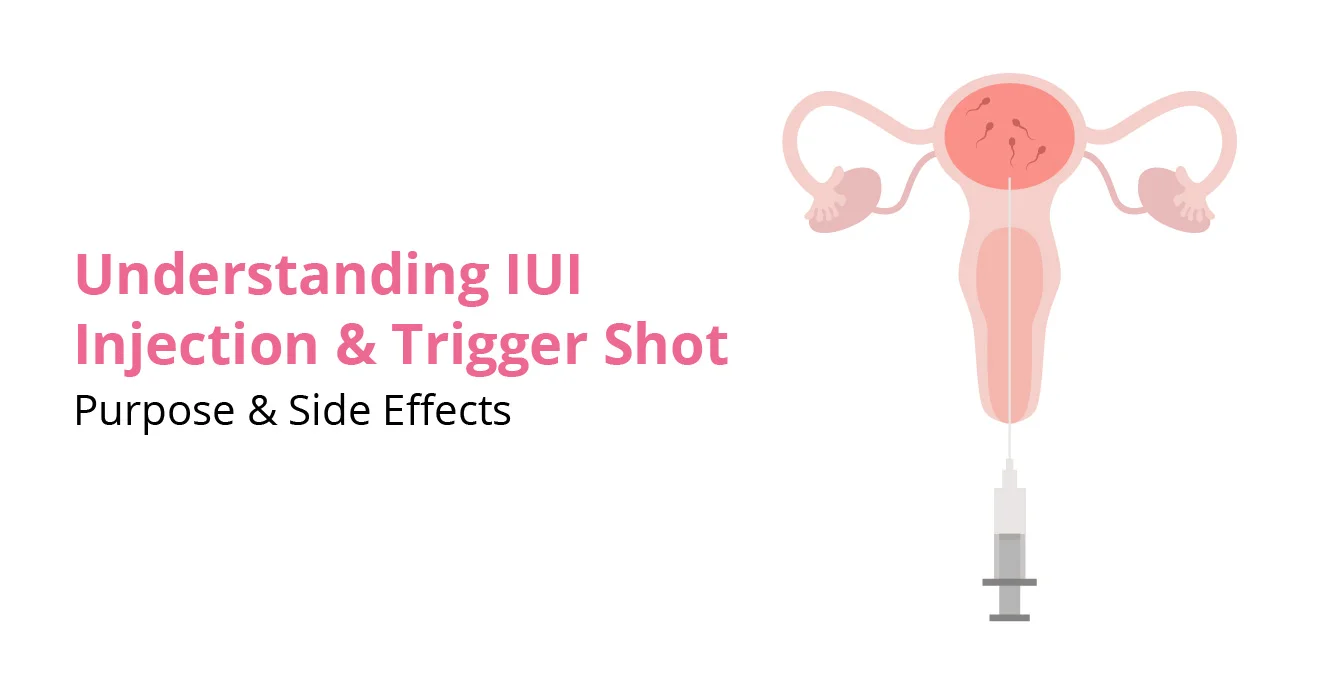
In this treatment, the sperm is directly transferred into the female partner's uterus. Naturally only a small percentage of sperm actually reaches the egg. The health of both the male and female partner is a factor for the same. IUI treatment in India start with fertility experts extracting healthy sperm. Then this sperm is washed and inserted in the uterus. Apart from being less invasive than its alternative, such as IVF ( In Vitro Fertilization) , IUI is considered as an affordable option for mild infertility issues.
Who Needs IUI Treatment
IUI is generally recommended for couples facing these common challenges
- Mild male infertility: If the male partner has low sperm count or poor sperm motility, IUI may be recommended.
- Ovulation problems: Women experiencing irregular or absent ovulation may benefit from IUI.
- Unexplained infertility: Couples who have been trying to conceive naturally for 6–12 months without success may consider IUI as an initial treatment option.
- Cervical issues: If there are barriers preventing sperm from reaching the egg, IUI can be an effective and affordable option.
- Use of donor sperm: IUI is commonly recommended when donor sperm is used for conception.
Day to Day Symptoms of IUI Treatment
Day 1-3 (Before Insemination)
During the first 3 days when the period starts, female partners can experience mild cramps, fatigue, and normal menstrual flow. During this time baseline scan and tests start.Day 4-10 (Before Insemination)
The next 6 days are the stimulation phase, where bloating and mild abdominal discomfort takes place. Women can experience breast tenderness due to hormonal medications. Mood swings and slight headaches can be there.Day 11-14 (Before Insemination)
By the 11th day, one can experience pelvic pain or pressure due to growing follicles. There can be increased vaginal discharge along with mild nausea or sensitivity after trigger injection.Insemination Day
On this day it is usually painless, there can be slight cramping during or after the procedure. Light spotting may occur.Day 1-5 (After Insemination)
After IUI has been done, women can experience mild cramps or bloating, there can be fatigue or slight spotting as well. Progesterone may cause breast tenderness.Day 6-10 (After Insemination)
There can be possible early pregnancy signs if the IUI is successful like light implantation spotting, mild cramping, and increased fatigue.Day 11-14 (After Insemination)
PMS-like symptoms can be confusing but are quite common, often accompanied by anxiety or emotional fluctuations, and a pregnancy test is usually advised after two weeks.Diagnostic Test Before IUI Treatment (Tests for Men & Female)
There are different diagnostic tests conducted for both men and women before starting the IUI process:
Tests for Women
- Ovulation Assessment: Blood tests or ultrasound are performed to confirm regular ovulation.
- Hormonal Blood Tests: These include FSH, LH, AMH, TSH, and prolactin to evaluate ovarian reserve and hormonal balance.
- Pelvic Ultrasound: Helps assess the uterus and ovaries for fibroids, cysts, or structural issues.
- Tubal Patency Test: Tests such as HSG (Hysterosalpingography) are done to ensure that the fallopian tubes are open.
- Infection Screening: Conducted to detect infections that may affect fertility and pregnancy.
Tests for Men
- Semen Analysis: Evaluates sperm count, motility, morphology, and overall quality.
- Sperm Function Tests: Advanced tests may be recommended in specific cases to assess sperm health and fertilization capability.
- Hormonal Tests: Testosterone and other hormone levels are checked if sperm abnormalities are detected.
- Infection Screening: Conducted to identify infections that may impact sperm quality.
For Both Partners
- Blood Group & Rh Factor: Important for assessing pregnancy compatibility.
- Genetic Screening (if advised): Recommended in certain cases, such as recurrent infertility or relevant family history.
What Happens Before IUI Treatment / How to prepare
Being emotionally and physically prepared can help raise the chances of a successful outcome. This is how couples can prepare:
- Conduct all recommended tests, including pelvic imaging and hormonal blood work.
- Pay close attention to the instructions for medication and ovulation monitoring.
- Maintain a healthy lifestyle by eating well, exercising, and abstaining from tobacco and alcohol.
- To lessen stress, use methods like meditation or counseling.
- Ensure that everyone is aware of the process and timetable.
- Two to three days before the procedure, refrain from having sex as directed.
What to Expect After IUI Treatment
Success rate of IUI
The IUI treatment success rate in India is influenced by a number of factors, such as the woman's age, the reason for her infertility, and the quality of the sperm injected. IUI has the highest success rate among couples who are infertile due to issues with the male sperm. The chance of successful fertilization can be increased in some circumstances by concentrating and cleaning the male partner's sperm before injecting it into the uterus. However, the IUI treatment success rate in India is lower for couples who are infertile due to issues with the woman's reproductive system. Up to 80% of couples become pregnant after six cycles of IUI, with an overall success rate of 10–20% per cycle. However, the success rate of IUI decreases with the age of the woman; for those over 40, it only reaches 4%.How to Boost IUI Success Rate - lifestyle changes & diet
Lifestyle Changes
- Maintain a healthy weight, as being underweight or overweight can affect ovulation and disrupt hormonal balance.
- Engage in light to moderate exercise, such as walking or yoga, to improve blood flow and reduce stress.
- Manage stress effectively, as it can impact hormone regulation. Techniques such as meditation, deep breathing, or mindfulness can be helpful.
- Aim for 7–8 hours of sleep daily to support hormonal health and overall fertility.
- Avoid smoking and alcohol during the process, as both can negatively affect egg quality and sperm health.
Diet to Improve IUI Success
- Include antioxidant-rich foods such as berries, nuts, and leafy greens, which help improve egg and sperm quality.
- Add protein-rich foods like eggs, dairy, lentils, and lean meats to support hormone production.
- Incorporate healthy fats such as avocados, nuts, seeds, and olive oil to support reproductive health.
- Stay well-hydrated, as proper hydration supports cervical mucus and overall body function.
- Include folic acid and iron-rich foods such as spinach, beans, and fortified grains to support fertility and early pregnancy.
Advantages and Disadvantages of IUI
Advantages
- It is not as intrusive.
- In comparison to ICSI and IVF, it is less costly.
- Reduced physical strain
- Washing techniques improve the quality of sperm by eliminating prostaglandins, infectious agents, antigenic proteins, immature germ cells, non-motile spermatozoa, etc. Additionally, it improves sperm quality and reduces the production of free oxygen radicals following sperm preparation.
- IUI treatment has a very high success rate when compared to regular sexual activity.
- Using transvaginal ultrasound guidance or not, the physician places the catheter into the cervix and vagina. The doctor then places the catheter via the cervical canal and guides it toward the top of the uterus and either the left or right fallopian tube. Finally, the sperm is injected into the uterus via the catheter.
- After the procedure, which takes 15 to 20 minutes, you will be told to stay in the recovery room for 20 minutes.
- This procedure does not require anesthesia. It doesn't hurt either.
Disadvantages
- Even though IUI is a fantastic option for many couples, it has certain disadvantages. IUI can't always resolve all fertility problems. Some disadvantages of IUI treatment include the following.
- Problems such as clean and undamaged fallopian tubes may occur if the following conditions are not met.
- The partner who is pregnant has to be ovulating.
- Sperm must have a specific level of motility.
- The success rate of IUI is around 20% when compared to other treatments like IVF.
- Using fertility medication increases the likelihood of becoming pregnant more than once. For this reason, internal ultrasonography is highly recommended.
What Makes Birla Fertility & IVF Different from Other Clinics in India?
Choosing the best IUI treatment in India can significantly impact your fertility journey. It is where Birla Fertility & IVF, Delhi is different from other clinics in India, we offer comprehensive and personalised care at every step.
Here is what we offer at Birla Fertility & IVF:
- State-of-the-art labs and diagnostic facilities
- Comprehensive services
- Experience and highly skilled fertility experts with 20+ years of expertise
- Best-in-class success rate
- Affordable and transparent pricing
Birla Fertility & IVF is available to help you at every stage of your search for the top IUI clinic in Delhi. Our aim is to assist you in realizing your dream of becoming a parent with care that feels personal and results that are supported by science, from the initial consultation to the finished product. Our several locations throughout Delhi provide individualized treatment programs tailored to your unique requirements.
Step By Step Procedure
Cost of IUI Treatment in India
Average
₹19,800
Lowest
₹17,600
Highest
₹22,000
When it comes to IUI treatment rates in India, we at Birla Fertility & IVF believe in total transparency. The cost summary above is intended to provide you confidence and clarity while making plans. We make sure that money is never a barrier to receiving high-quality fertility care by offering individualized treatment plans and various payment choices.
-
 Lorem ipsum dolor sit amet, consectetur
 - Lorem ipsum dolor sit amet, consectetur
- Lorem ipsum dolor sit amet, consectetur
- Lorem ipsum dolor sit amet, consectetur
- Lorem ipsum dolor sit amet, consectetur
50+Clinics Across 38 Cities
Our Medical Expert


Mumbai, Maharashtra
Dr. Navina Singh
MBBS, MS (Obstetrics and Gynaecology), MRM (London), DRM (Germany) FRM (India)


Gurgaon – Sector 14, Haryana
Dr. Prachi Benara
MBBS (Gold Medalist), MS (OBG), DNB (OBG), PG Diploma in Reproductive and Sexual health

Lajpat Nagar, Delhi
Dr. Muskaan Chhabra
MBBS, MS (OBGY), DNB (OBGY), MNAMS, MRCOG1 Advanced Fellowship in Reproductive Medicine

Chandigarh
Dr. Rakhi Goyal
MBBS, MD (Obstetrics and Gynaecology) FNB (Reproductive Medicine), FICOG
Why Choose us
Choosing a fertility clinic and doctor is an important step as you pursue your dream of starting a family. At Birla Fertility & IVF, we are committed to help you have a baby through personalised and comprehensive care.

Best-in-class Pregnancy Rate
With a team of 120 fertility experts, state-of-the-art embryology labs, and world-class technology, we achieve outstanding pregnancy rates.

95% Patient Satisfaction Score
We offer personalized treatment plans and comprehensive fertility services, ensuring exceptional fertility care under one roof.

100% Transparent Pricing
We are committed to making world-class fertility treatments affordable and accessible. We offer fixed price all-inclusive packages and 0% EMI options with no hidden charges.
Book Your Appointment

MEDICALLY REVIEWED BY:
Dr. Navina Singh
AUTHOR:
Birla Fertility & IVF
JAN 27, 2026
What Our Patients Say
Sneha Deepak
March 16, 2026
I had a great experience with Dr.Shyla and Dr.Indhumathi gave a clear explanation about the procedures
Solaisami
March 10, 2026
Good
Sathish Sathish
March 9, 2026
Good
Deepa Kumar
March 8, 2026
I came first good positive approch
Desiyapriya.G
March 3, 2026
Good
gokul kanan
March 3, 2026
Very good
Swetha . B
February 28, 2026
I strongly refer Birla fertility to Everyone,cost effective and friendly care by the staffs ,esspecialy I want to say thaks to Dr.Shyla mam and Dr.Indhumathy mam care verywell ,so kind and good approach ,Thanks
Sabari Murugan
February 21, 2026
Good service by the staff
Samy Akila
February 17, 2026
Good
Nokatotti Usha
February 17, 2026
Very good