
 Our Centers
 Select City


 Select City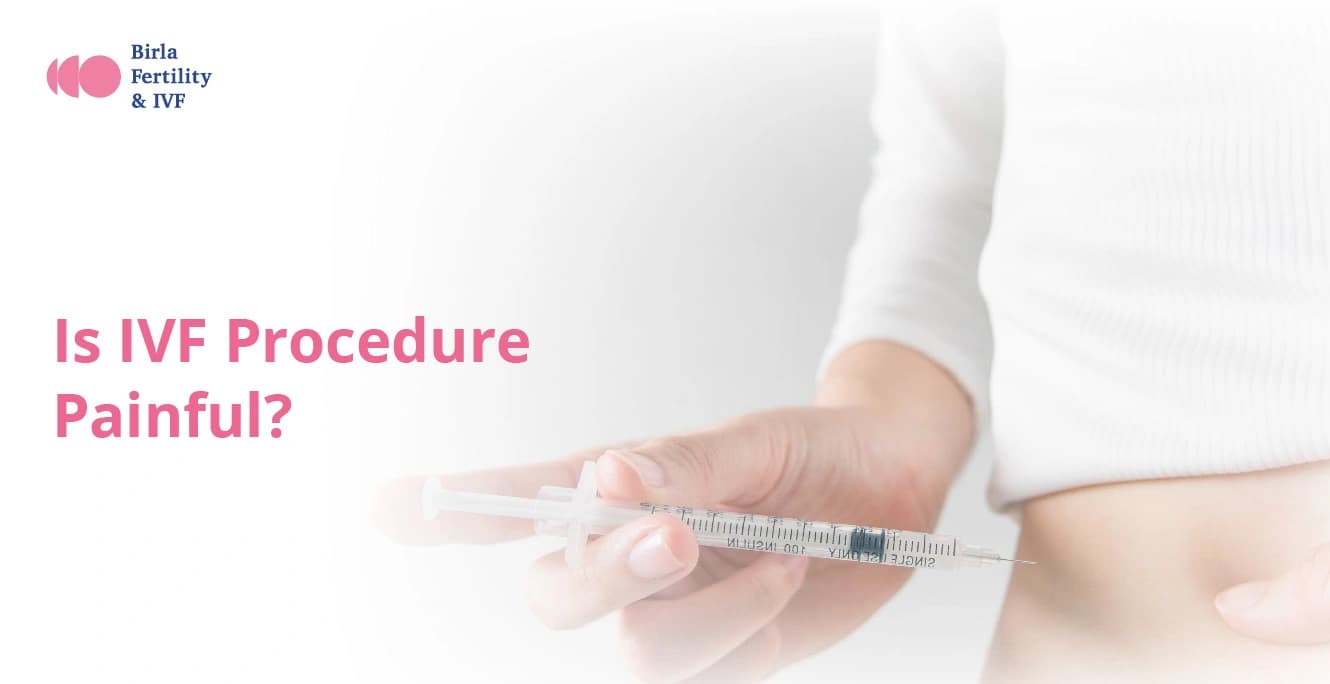
IVF செயல்முறை வலிக்கிறதா?

Key examples
-
Understanding IVF stages : The IVF process includes ovarian stimulation, egg retrieval, embryo transfer, and luteal phase support, along with mild to moderate discomfort and possible side effects.
-
Individual pain perception : Pain during IVF varies widely among individuals, influenced by factors such as genetics, previous medical experiences, and emotional states. Recognizing these differences can help create a supportive environment for patients undergoing treatment.
-
Coping Strategies : Emotional and physical discomfort can be managed through support networks, professional counseling, self-care practices, and over-the-counter pain relief. Staying hydrated and maintaining a healthy lifestyle can help ease discomfort.
-
Dealing with failed cycles : Emotional distress caused by failed IVF attempts is common. Patients are encouraged to seek support, acknowledge their feelings, and discuss next steps and changes for future cycles with their doctors.
Beginning in vitro fertilization (IVF) treatment can feel overwhelming. It is a deep journey filled with hope and uncertainty, with things to take in and unfamiliar medical terms to navigate. A common concern for many couples is the pain and discomfort associated with IVF. Many individuals often wonder, ‘Is IVF a painful procedure?’
While everyone’s experience is unique, knowing what to expect can help you feel more prepared and supported. In this article, we’ll explore the various stages of IVF and the pain or discomfort associated with each step. We’ll also discuss strategies for managing any discomfort and the importance of open communication with your doctor.
First, let’s briefly understand the IVF process.
IVF Process: What to Expect at Each Stage
Stage 1: Uterine stimulation
Procedure : The IVF process begins with ovarian stimulation. During this stage, you will receive daily hormone injections to stimulate your ovaries to produce multiple mature eggs.
Possible side effects : Although some patients report a slight tingling sensation during the injection, it is not usually considered painful. Most women can compare the discomfort to that of a typical menstrual cycle , with possible side effects such as:
-
The mind is wandering.
-
Fatigue
-
Headache
-
Heat lamp
-
Nausea
-
Inflammation
-
Breast tenderness
-
Reduced libido
-
Menstrual bleeding or spotting
In rare cases, women may develop ovarian hyperstimulation syndrome (OHSS), which can cause swelling of the ovaries and fluid accumulation in the abdomen.
Stage 2: Egg Recovery
Procedure : Egg retrieval is performed under sedation or anesthesia, which is painless for most patients. A thin needle is guided through the vaginal wall to collect the eggs from the ovaries.
Possible side effects : Although some people may experience mild cramping or pressure afterward, this discomfort is usually short-lived and can be managed with pain medication. Clear or bloody vaginal discharge is common for a few days after the procedure.
Stage 3: Embryo transfer
Procedure : Embryo transfer involves placing fertilized embryos into the uterus using a thin catheter.
Possible side effects : The procedure is usually quick and painless, although some women may experience mild discomfort similar to that experienced during a Pap smear.
This discomfort is usually short-lived and can be managed with over-the-counter pain medications .
Stage 4: Luteal Phase Support
Procedure : After embryo transfer, you may be given progesterone support to help with embryo implantation . Progesterone can be administered in the form of injections or oral medications.
Possible side effects : Progesterone injections can be more painful than uterine stimulation injections and may cause bumps at the injection site. In contrast, vaginal gels or suppositories can be less painful than injections.
Understanding the personal perception of pain in IVF
Now, let’s take an honest look at what you might experience and answer the question – does IVF hurt?
It is important to recognize that pain, especially during IVF treatment, is a deeply personal experience. To understand whether IVF causes pain, we need to understand that each person’s perception of pain can vary significantly. What one person may describe as mild discomfort, another may find severe pain.
Factors such as genetic predisposition, pain tolerance, individual sensitivity, overall health, previous medical experiences, and emotional state can all affect how you experience pain. It is important to approach this journey with compassion and awareness that your feelings are valid. Recognizing each person’s unique experience fosters a supportive environment, helping everyone navigate the emotional and physical challenges of IVF with understanding and care.
Remember that you are not alone on this journey. Open communication with your fertility doctors and nurses is important, as they can provide personalized guidance and support tailored to your individual needs.
Managing pain during IVF
IVF is not just a physical journey, but an emotional one. The process involves a significant emotional investment, and the outcome can be deeply impactful. It is normal to experience stress, anxiety, or even grief, especially if a treatment cycle fails. Managing these emotions is an essential part of the IVF experience. It is important to acknowledge and validate these feelings as a normal part of the process.
Ways to cope with emotional stress
Throughout your IVF journey, you can use various strategies to manage emotional stress:
-
Lean on your immediate support network : Your partner, family, and friends can provide invaluable emotional support. Don’t hesitate to reach out when you need a listening ear or a comforting presence.
-
Consider professional support : Counseling or therapy can provide a safe space to process and manage the complex emotions that often accompany fertility treatments .
-
Connect with others : Joining support groups or online communities can help you feel less alone and provide a space to share your experiences.
-
Prioritize self-care : Whether it’s gentle yoga, reading a good book, or spending time in nature, make time for activities that bring you joy and help you relax.
-
Practice self-compassion : Be gentle and allow all your emotions to flow without judgment. It’s okay to feel regret after a losing streak .
Ways to cope with physical discomfort
To manage physical discomfort during IVF, it is important to understand the potential duration of pain at each stage of the process.
IVF stages and associated discomforts: At a glance
|
IVF stage |
Possible pain/discomfort |
Time |
|
Uterine stimulation |
Pain, swelling, mild abdominal discomfort at the injection site |
10-12 days |
|
Egg retrieval |
Abdominal pain/cramping, vaginal discharge |
3-5 days after the procedure |
|
Embyo exchange |
Mild to moderate muscle cramps |
1-2 days after transfer |
|
Luteal phase support |
Pain at the injection site |
1-2 days |
During your IVF journey, these methods can help reduce physical discomfort:
-
Use over-the-counter medications : If IVF is making you feel uncomfortable, your doctor may prescribe painkillers to help reduce muscle cramps and stomach pain.
-
Rest and Rejuvenation : Rest is especially important after procedures like egg retrieval. Give your body the downtime it needs to recover. Practice stress-reducing techniques like yoga, deep breathing, meditation, or gentle exercise.
-
Stay hydrated : Drink plenty of water and electrolyte-rich fluids, especially after egg retrieval and during the luteal phase.
-
Maintain a healthy lifestyle : A balanced diet and regular exercise (approved by your doctor) can contribute to overall well-being and reduce physical discomfort.
-
Alternative medicine options If injections are too painful, discuss alternative medicine options with your doctor, such as vaginal gels or suppositories.
When IVF Doesn’t Work: Coping with a Failed Cycle
It’s important to remember that a failed IVF cycle is not uncommon. And it takes multiple attempts to achieve a successful pregnancy . The emotional pain of a negative outcome can be profound, and it’s important to give yourself space to process and grieve.
-
Be kind to yourself and acknowledge that the sadness and disappointment you feel is valid.
-
Accept that your loss or sadness is normal. There is no ‘right’ or ‘wrong’ way to feel after a failed cycle.
-
Seek support from loved ones and your doctor as needed. Talk to your partner, confide in trusted friends or family members, and join a support group for others who have gone through similar experiences.
-
When you’re ready, schedule a follow-up with your doctor to discuss next steps and any changes that may improve your chances of success in the future.
Myths and facts:
Myths about IVF pregnancy
-
IVF always guarantees success
-
IVF pregnancies always result in multiple births
-
Children conceived through IVF are unhealthy
-
IVF requires complete bed rest.
Facts about IVF pregnancy
-
IVF can help with various infertility problems
-
Age affects IVF success rates
-
IVF does not deplete egg reserves
-
Lifestyle factors may affect IVF success
A word from the expert
IVF can be an intense experience, but it’s important to remember that any discomfort or pain you may feel is temporary. By working closely with your healthcare team and prioritizing self-care, you can navigate this journey with resilience and confidence. Don’t hesitate to reach out for support when you need it – you are not alone in this process. ~ Rocky Goyal
To know more
Birla Fertility & IVF aims at transforming the future of fertility globally, through outstanding clinical outcomes, research, innovation and compassionate care.


Had an IVF Failure?
Talk to our fertility experts