
 Our Centers
 Select City


 Select City

Twin Live Birth After Azoospermia and Reduced Ovarian Reserve
For nine years, this couple had been unable to conceive. The female partner was 30 years old but had endometriosis, reduced ovarian reserve and a previous history of polyp removal. The male partner, aged 39, had azoospermia, meaning sperm were not present in the ejaculate. Only a very limited number of sperm could be obtained surgically, and those retrieved also showed poor morphology. The treatment therefore required close coordination between ovarian stimulation, surgical sperm retrieval and the embryology laboratory. TESA was used to retrieve sperm directly from the testis, followed by ICSI and blastocyst culture. The treatment ultimately resulted in the birth of a healthy baby boy and baby girl.
Case Snapshot
Journey Timeline

1. Azoospermia + Reduced Reserve

2. Egg Retrieval + TESA

3. ICSI

4. Day 5 Blastocyst Transfer

5. Twin Live Birth
The Barriers They Faced

Azoospermia
No sperm were present in the ejaculate, making surgical sperm retrieval necessary before fertilisation could be attempted.

Limited Retrieved Sperm
Only a small number of sperm were available following surgical retrieval, increasing the importance of careful laboratory handling.

Reduced Ovarian Reserve
The female partner also had reduced ovarian reserve, meaning both egg and sperm availability were limited.

Endometriosis
Endometriosis added another female fertility factor to an already complex treatment scenario.
Doctor's Quote
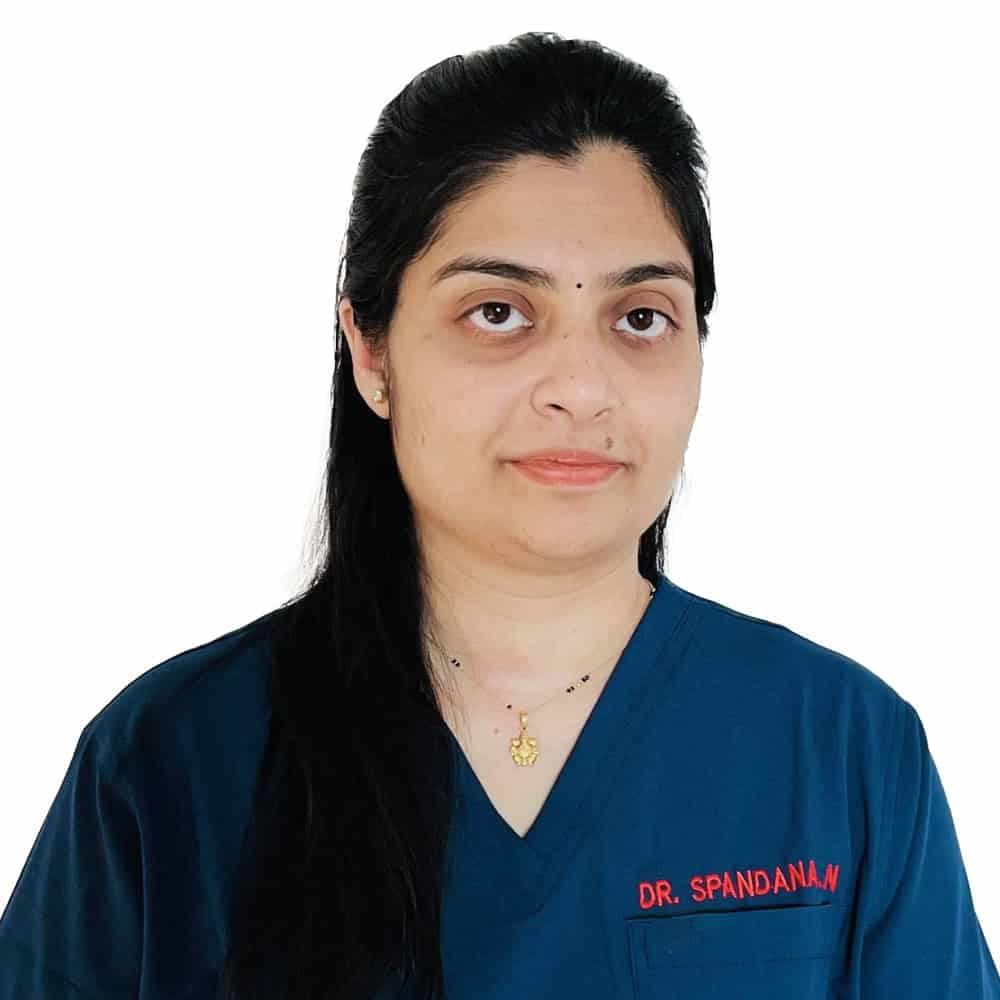
“The key was to tailor every aspect of care to this patient's unique needs, balancing safety, comfort, and clinical effectiveness.”— Dr. Spandana Nuthakki
The Treatment Plan that made the Difference
Individualised Ovarian Stimulation
Stimulation was tailored to obtain mature oocytes despite reduced ovarian reserve.
TESA for Surgical Sperm Retrieval
Sperm were retrieved directly from the testis because of azoospermia.

ICSI With Retrieved Sperm
ICSI was used to inject an individually selected retrieved sperm into each mature oocyte.
Day 5 Blastocyst Development
Following fertilisation, embryos were cultured to the blastocyst stage before transfer planning.
Personalised Embryo Transfer
Laser-assisted hatching and intralipid support were also used as part of the individualised transfer protocol.
A Story of Possibility Through Teamwork
The Outcome
Pregnancy was successfully established and confirmed as a twin pregnancy. The mother later delivered a healthy baby boy and baby girl and was discharged in stable condition.
This case shows how surgical sperm retrieval and ICSI may provide a treatment pathway for selected couples facing azoospermia alongside female fertility challenges.