
 Our Centers
 Select City


 Select City

Successful Twin Live Birth Following ICSI in Premature Ovarian Failure
After 3 years of primary infertility and multiple failed ovulation induction cycles, the couple came to us facing both female and male factor infertility challenges. At 30 years of age, the patient had premature ovarian failure with severely diminished ovarian reserve and diabetes mellitus, while the male partner was diagnosed with oligoasthenoteratozoospermia (OAT). With individualized IVF-ICSI treatment, advanced embryology support, and carefully planned embryo transfer, the couple successfully achieved a twin pregnancy and healthy live birth.

Case Snapshot
Journey Timeline

1. Complex Challenges

2. Personalised Plans

3. Safe Retireval & Transfer

4. Guided Transfer

5. Successful Pregnancy
The Barriers They Faced

Premature Ovarian Failure
AMH of 0.4 ng/mL and AFC of 3–4 indicated severely diminished ovarian reserve.

Diabetes Mellitus
The patient required careful metabolic and cycle management during fertility treatment.

Male Factor Infertility
The male partner was diagnosed with oligoasthenoteratozoospermia (OAT), affecting fertilization potential.

Previous Failed Treatments
The couple had already undergone three unsuccessful ovulation induction cycles.

Poor Prognosis Fertility Profile
Combined male and female infertility factors increased treatment complexity.
Doctor's Quote
“The key was to tailor every aspect of care to this patient's unique needs, balancing safety, comfort, and clinical effectiveness.”— Dr. Navina Singh
The Treatment Plan that made the Difference
IVF-ICSI Self-Cycle Planning
An IVF-ICSI self-cycle was initiated as the patient’s first IVF treatment cycle.

Oocyte Retrieval & ICSI
A total of 6 oocytes were retrieved, including 5 mature (MII) oocytes. ICSI was successfully performed using a fresh semen sample.
Blastocyst Development
Embryo culture resulted in four blastocysts, including: One high-quality 5AA blastocyst One 4BB blastocyst
Frozen Embryo Transfer (FET)
The first frozen embryo transfer cycle was planned with a double embryo transfer approach. Two blastocysts — 5AA and 4BB — were successfully transferred.
A Story of Individualized IVF Care in Poor Prognosis Fertility
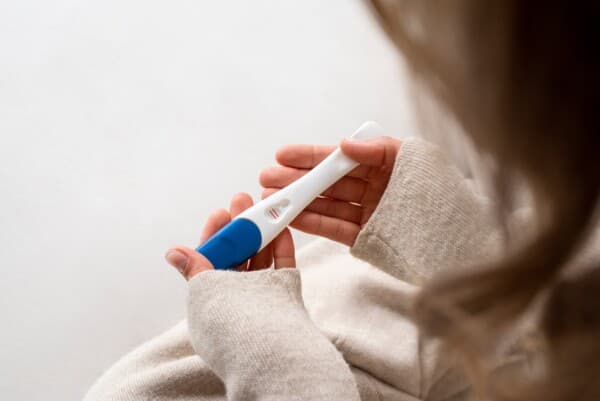
The Outcome
Serum β-hCG levels of 1394.5 mIU/mL confirmed pregnancy.
The couple achieved a twin pregnancy and successfully delivered one healthy male child and one healthy female child.