
 Our Centers
 Select City


 Select City

Stage IV Endometriosis, High DNA Fragmentation & Diminished Ovarian Reserve Leading to an Ongoing Pregnancy
After more than 10 years of infertility, this couple had almost exhausted their options. The female partner had Stage IV endometriosis, diminished ovarian reserve, and a persistently thin endometrium, while the male partner had high sperm DNA fragmentation (DFI 28%) along with severe male factor infertility. Despite multiple treatments elsewhere, including surgery and ovulation induction cycles, pregnancy remained elusive. With a personalised fertility plan combining advanced endometrial preparation, donor oocytes, and microfluidics sperm selection, the couple achieved a successful embryo transfer and an ongoing healthy pregnancy.

Case Snapshot
Journey Timeline

1. Complex Challenges

2. Personalised Plans

3. Safe Retireval & Transfer

4. Guided Transfer

5. Successful Pregnancy
The Barriers They Faced

The Barriers They Faced
Severe endometriosis with a history of previous laparoscopic surgery, a large endometriotic cyst, and residual ovarian endometrioma significantly affected fertility potential.

Diminished Ovarian Reserve (DOR)
Reduced ovarian reserve limited the likelihood of achieving pregnancy using the patient's own eggs.
Thin Endometrium
Persistently thin endometrial lining reduced the chances of successful embryo implantation.

Severe Male Factor Infertility
The male partner was diagnosed with OATS (Oligoasthenoteratozoospermia) along with diabetes.

High DNA Fragmentation
A sperm DNA Fragmentation Index (DFI) of 28% increased the risk of poor embryo quality and reduced implantation potential.

Previous Unsuccessful Treatments
Three cycles of ovulation induction with timed intercourse at another centre had failed to achieve pregnancy.
Doctor's Quote
“The key was to tailor every aspect of care to this patient's unique needs, balancing safety, comfort, and clinical effectiveness.”— Dr. Vineeta Kumari
The Treatment Plan that made the Difference
Comprehensive Endometrial Optimisation
The patient's uterine cavity was prepared using hysteroscopy along with targeted antibiotic therapy to optimise the implantation environment.
Medical Suppression of Endometriosis
To minimise the impact of residual endometriosis before embryo transfer, three doses of Decapeptyl (GnRH agonist) were administered.
PRP Therapy for Thin Endometrium
Platelet-Rich Plasma (PRP) therapy was performed to improve endometrial thickness and enhance endometrial receptivity before embryo transfer.
Donor Oocyte IVF Programme
Considering the patient's diminished ovarian reserve, a donor oocyte programme was recommended to maximise the chances of successful fertilisation and embryo development.
Advanced Sperm Selection with Microfluidics
To overcome elevated sperm DNA fragmentation, microfluidics-based sperm selection was used to isolate healthier sperm before ICSI, improving embryo quality.

Personalised Frozen Embryo Transfer (FET)
High-quality Day 5 blastocysts were successfully created. After adequate endometrial preparation, a personalised frozen embryo transfer was performed under optimal conditions.
A Story of Personalised Care for Complex Infertility
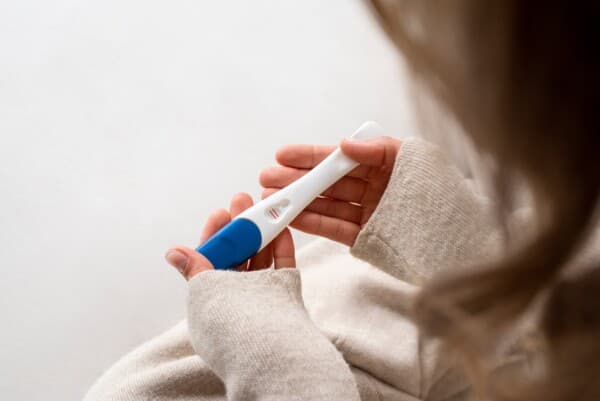
The Outcome
The treatment resulted in:
Successful development of high-quality Day 5 blastocysts Significant improvement in endometrial thickness following PRP therapy Successful embryo implantation after frozen embryo transfer Ongoing healthy pregnancy at 24 weeks gestation