
 Our Centers
 Select City


 Select City

Recurrent Implantation Failure Following a Failed IVF Cycle Leading to an Ongoing Pregnancy
After six years of primary infertility and multiple unsuccessful fertility treatments, this couple arrived at Birla Fertility & IVF looking for answers. Despite a previous IVF cycle with good ovarian response and embryo transfer, pregnancy had not been achieved. The couple was facing recurrent implantation failure (RIF) along with male factor infertility marked by elevated sperm DNA fragmentation. With comprehensive evaluation, advanced embryo testing, and a personalised frozen embryo transfer strategy, they achieved a successful implantation and an ongoing pregnancy.

Case Snapshot
Journey Timeline

1. Complex Challenges

2. Personalised Plans
3. Safe Retireval & Transfer

4. Guided Transfer

5. Successful Pregnancy
The Barriers They Faced

Long-standing Primary Infertility
The couple had been trying to conceive for six years without success despite multiple fertility treatments.
Multiple Treatment Failures
Several cycles of ovulation induction and intrauterine insemination (IUI), followed by an IVF cycle at another centre, had failed to achieve pregnancy.

Recurrent Implantation Failure
Despite good ovarian response and embryo transfer, implantation did not occur, indicating recurrent implantation failure.

Male Factor Infertility
The male partner had asthenoteratozoospermia, bilateral Grade III varicocele, minimal hydrocele, and a DNA Fragmentation Index (DFI) of 28%, which could negatively impact embryo quality.

Need for Better Embryo Selection
Previous treatment outcomes suggested the need to evaluate embryo chromosomal health and optimise implantation conditions.
Doctor's Quote
“The key was to tailor every aspect of care to this patient's unique needs, balancing safety, comfort, and clinical effectiveness.”— Dr. Naga Jyothi S
The Treatment Plan that made the Difference

Advanced IVF with ICSI
A fresh IVF cycle was planned, and ICSI was performed on 12 mature (MII) oocytes to maximise fertilisation.
Blastocyst Culture and PGT-A Testing
Embryos were cultured to the blastocyst stage. Six blastocysts (three Grade A and three Grade B) underwent biopsy for PGT-A to assess chromosomal normality.

Euploid Embryo Selection
PGT-A identified three chromosomally normal (euploid) embryos, allowing the team to select the embryo with the highest implantation potential.
Endometrial Optimisation
Before embryo transfer, a thorough assessment of the uterine cavity and endometrial receptivity was completed to ensure optimal implantation conditions.
Personalised Frozen Embryo Transfer
A single euploid embryo was transferred during a carefully planned frozen embryo transfer (FET) cycle, following personalised endometrial preparation.
A Story of Precision in Recurrent Implantation Failure Care
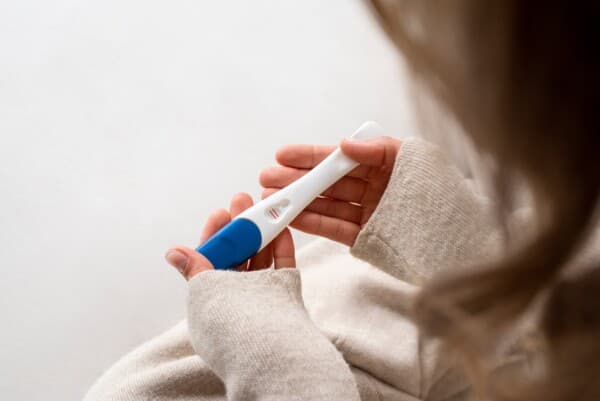
The Outcome
The personalised treatment approach resulted in:
Positive β-hCG following frozen embryo transfer Successful embryo implantation Ongoing healthy pregnancy Expected due date in September 2026