
 Our Centers
 Select City


 Select City

Primary Infertility with Low AMH and Obstructive Azoospermia Leading to a Successful Pregnancy
After years of trying to conceive, this couple came to Birla Fertility & IVF with multiple fertility challenges affecting both partners. The female partner had low ovarian reserve (AMH 0.73 ng/ml) along with hormonal disorders, while the male partner was diagnosed with obstructive azoospermia, requiring surgical sperm retrieval. With a personalised IVF plan, advanced sperm retrieval techniques, and endometrial optimisation, the couple achieved pregnancy in their very first IVF cycle and welcomed healthy babies.
Case Snapshot
Journey Timeline

1. Complex Challenges

2. Personalised Plans

3. Safe Retireval & Transfer

4. Guided Transfer

5. Successful Pregnancy
The Barriers They Faced

Low Ovarian Reserve
The female partner had an AMH level of 0.73 ng/ml, indicating diminished ovarian reserve and raising concerns about the number of eggs that could be retrieved.

Hormonal Disorders
Hyperprolactinemia and hypothyroidism further complicated fertility and required careful management before treatment.

Obstructive Azoospermia
The male partner had no sperm present in the ejaculate due to obstruction, making natural conception impossible without surgical sperm retrieval.

Need for Endometrial Optimisation
Preparing the uterine environment was essential to maximise the chances of successful implantation.

Combined Male and Female Infertility
The presence of significant fertility factors in both partners required a coordinated, multidisciplinary treatment approach.
Doctor's Quote
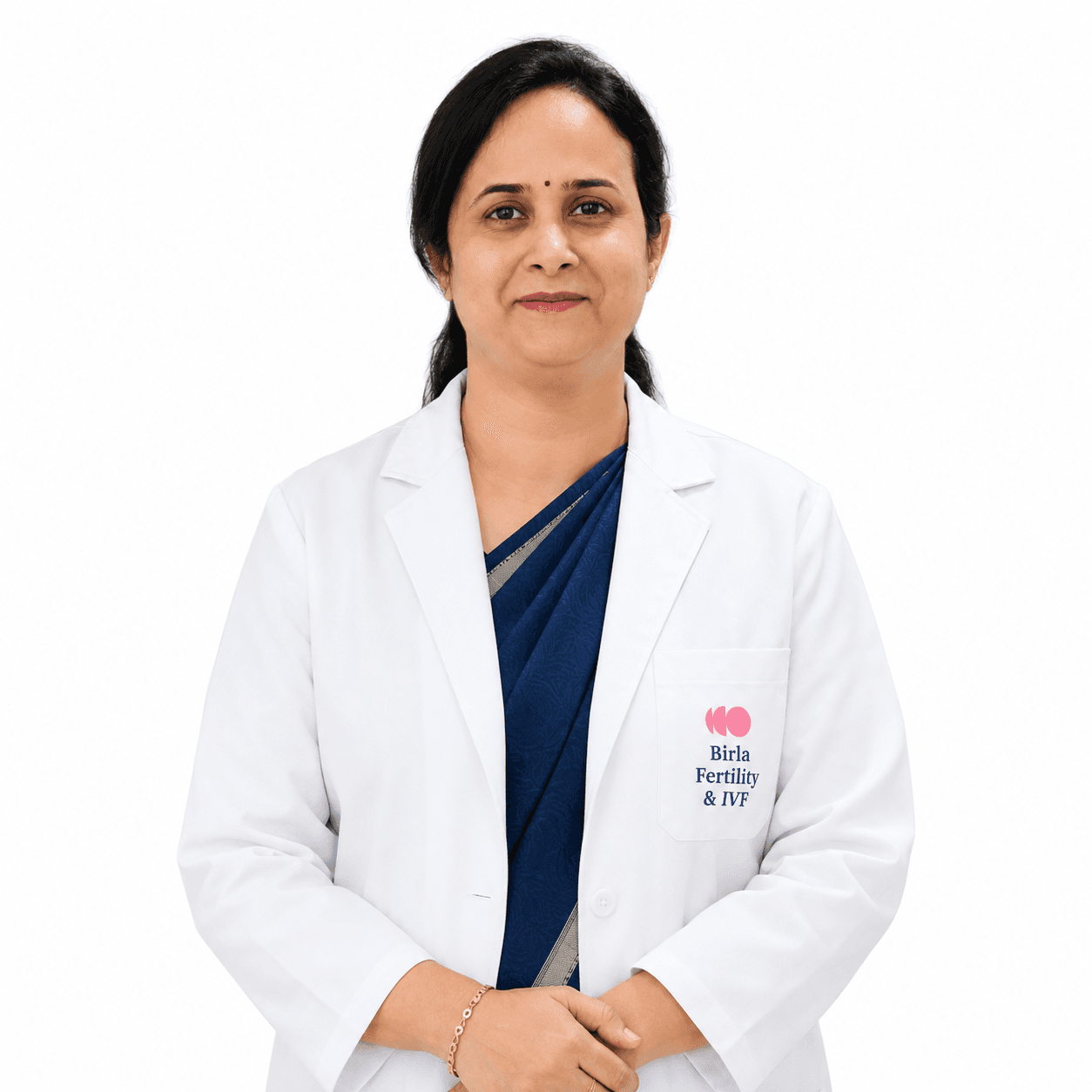
“The key was to tailor every aspect of care to this patient's unique needs, balancing safety, comfort, and clinical effectiveness.”— Dr. Deepika Mishra
The Treatment Plan that made the Difference
Personalised Ovarian Stimulation
Despite a low AMH level, an individualised ovarian stimulation protocol helped achieve a satisfactory ovarian response, resulting in the retrieval of five mature (MII) oocytes.
Surgical Sperm Retrieval with TESA
Since the male partner had obstructive azoospermia, Testicular Sperm Aspiration (TESA) was performed to retrieve viable sperm for fertilisation.
ICSI and Blastocyst Development
The retrieved sperm were used for ICSI, leading to successful fertilisation and the development of two high-quality blastocysts (Grade 5AA and 5BA).
Endometrial Optimisation
Before embryo transfer, the uterine cavity was optimised through hysteroscopy and Platelet-Rich Plasma (PRP) therapy to improve endometrial receptivity.
Personalised Embryo Transfer
Both high-quality blastocysts were transferred under carefully optimised conditions, maximising the chances of implantation.
A Story of Personalised Care for Combined Infertility
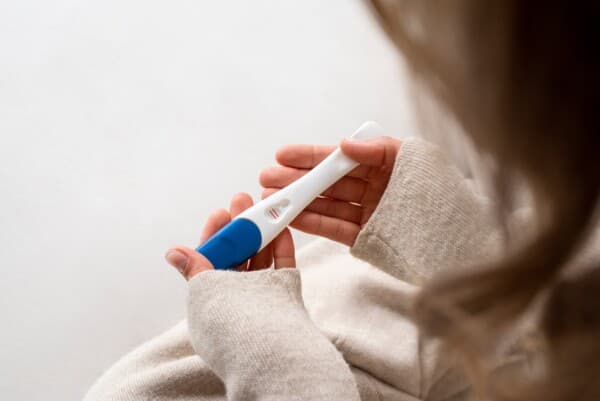
The Outcome
The personalised treatment approach resulted in:
Successful conception in the first IVF/ICSI cycle Pregnancy confirmed on ultrasound Healthy progression of pregnancy following appropriate obstetric management Successful delivery of healthy babies