
 Our Centers
 Select City


 Select City

Ongoing Pregnancy at 40 From a Single Day 3 Embryo
At 40, with an AMH of 1.0 ng/mL and an antral follicle count of only 1–2, this patient entered IVF treatment knowing that only a very limited number of eggs might be obtained. Ultimately, just one egg was retrieved. That single oocyte fertilised normally following ICSI and developed into an 8-cell Grade I embryo on Day 3. With no additional embryos available, the couple was counselled about whether to continue culture to Day 5 or proceed with an earlier transfer. They chose a single fresh Day 3 embryo transfer. The result was an ongoing intrauterine pregnancy with fetal cardiac activity.

Case Snapshot
Journey Timeline

1. Very Low Ovarian Reserve

2. One Egg Retrieved

3. One Day 3 Embryo Developed

4. Single Fresh Embryo Transfer

5. Ongoing Pregnancy
The Barriers They Faced

Advanced Maternal Age
At 40, age-related reproductive changes were an important factor in counselling and treatment planning.

Very Low Ovarian Reserve
An AMH of 1.0 ng/mL together with an AFC of 1–2 suggested that only a small number of follicles were likely to respond.

Only One Egg Available
The stimulation cycle yielded a single oocyte, making every subsequent laboratory and clinical decision particularly important.

Day 3 VS Day 5 Transfer
With only one embryo available, the couple had to decide whether to transfer on Day 3 or continue culture to the blastocyst stage.
Doctor's Quote
“The key was to tailor every aspect of care to this patient's unique needs, balancing safety, comfort, and clinical effectiveness.”— Dr. Shreya Gupta
The Treatment Plan that made the Difference

Individualised Antagonist Stimulation
The stimulation protocol was planned according to the patient's advanced maternal age and very low ovarian reserve.
One Oocyte Retrieved
Egg retrieval resulted in a single oocyte.

ICSI and Normal Fertilisation
ICSI was performed on the retrieved oocyte and normal fertilisation was achieved.

Day 3 Embryo Assessment
The embryo developed into an 8-cell, Grade I embryo on Day 3.
Shared Decision-Making on Transfer Timing
After discussing the advantages and limitations of Day 3 transfer versus continued culture to Day 5, the couple chose to proceed with a single fresh Day 3 embryo transfer.
A Story of One Chance, Carefully Nurtured
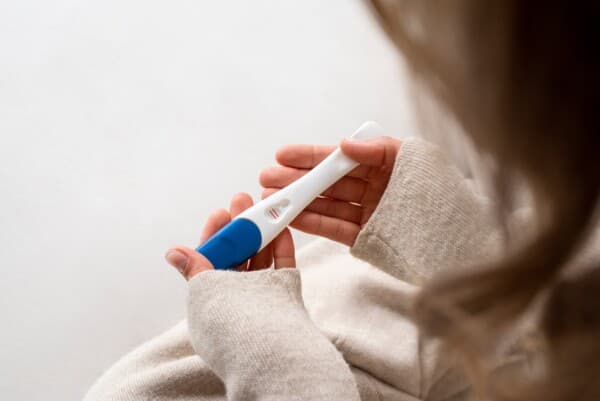
The Outcome
Beta-hCG measured 3,841, and subsequent ultrasound evaluation confirmed two gestational sacs.
This case shows that in selected low-egg-yield cycles, even one mature oocyte and one developing embryo can represent a meaningful treatment opportunity when decisions are tailored to the individual patient.