
 Our Centers
 Select City


 Select City

Fertility Files – Real Cases of Infertility Challenges
After Repeated IVF Failures: Finding What Was Missing
Multiple fibroids. Repeated IVF failures. And at 40, time felt limited. Each cycle brought hope, but implantation never happened. The focus was no longer just on embryos, but on what was being missed. Because in IVF, success isn’t only about creating an embryo it’s about ensuring the body is ready to receive it.

Case Snapshot
Journey Timeline

1. Complex Challenges

2. Personalised Plans

3. Safe Retireval & Transfer

4. Guided Transfer

5. Successful Pregnancy
The Barriers They Faced

Multiple Fibroids
Distorted the uterine cavity and disrupted implantation.
Recurrent Implantation Failure (RIF)
Previous embryo transfers had failed.

Hypothyroidism
Hormonal imbalance impacting reproductive health.

Endometrial Receptivity Issues
The uterus may not have been ready at the time of transfer.
Timing Sensitivity
Implantation required precise synchronisation.

Emotional Fatigue
Repeated failures added psychological stress.
Doctor's Quote
“The key was to tailor every aspect of care to this patient's unique needs, balancing safety, comfort, and clinical effectiveness.”— Dr. Manjunath CS
The Treatment Plan that made the Difference
Step 1: Surgical Correction (Myomectomy)
All 7 fibroids were surgically removed to restore a normal uterine cavity and improve implantation conditions.
Step 2: Endometrial Receptivity Analysis (ERA)
Testing revealed a pre-receptive endometrium meaning the window for implantation was shifted and required timing adjustment.

Step 3: Genetic Screening (PGT-A)
Embryos were tested to identify a chromosomally normal (euploid) embryo for transfer.

Step 4: Personalised Embryo Transfer
An earlier embryo transfer (before these interventions) had failed. A second transfer was planned with a Day 6, Grade 4BB euploid blastocyst, with timing customised based on ERA findings. The transfer was performed on Day 7 of progesterone support, aligning perfectly with her implantation window.
A Story of Precision, Not Just Persistence
The Outcome
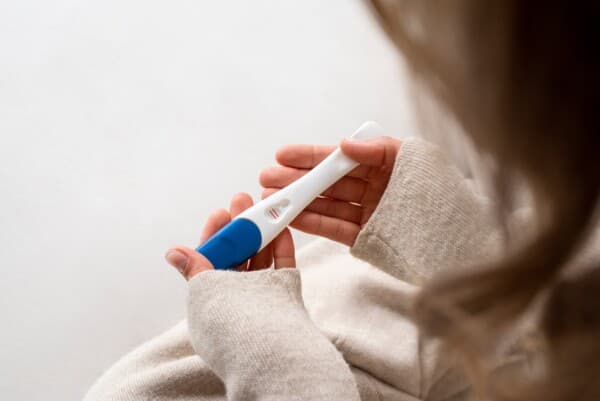
β-hCG confirmed a positive pregnancy.
She went on to have a full-term pregnancy and delivered a healthy baby, with a stable postpartum recovery.