
 Our Centers
 Select City


 Select City

Clinical Pregnancy at 41 With Low Ovarian Reserve, Fibroids and Male-Factor Infertility
At 41, this woman had been trying to conceive again for nine years. Her fertility journey was complicated by reduced ovarian reserve, multiple uterine fibroids, previous miscarriages and two unsuccessful IUI attempts in Bangkok. Her husband, aged 45, also had teratozoospermia with poor sperm morphology. Because only a limited number of eggs were expected from an individual cycle, treatment was planned across two separate retrieval cycles. Blastocysts were created and cryopreserved before a personalised frozen embryo transfer was performed.

Case Snapshot
Journey Timeline

1. Multiple Fertility Factors

2. First ICSI Cycle

3. Second ICSI Cycle

4. Embryo Accumulation & FET

5. Clinical Pregnancy
The Barriers They Faced

Advanced Maternal Age
At 41, both ovarian response and age-related changes in reproductive potential had to be considered while planning treatment.

Low Ovarian Reserve
An AMH of 0.82 ng/mL meant that only a limited number of eggs were expected from each stimulation cycle.

Multiple Uterine Fibroids
Fibroids formed part of the overall uterine assessment and had to be considered together with the patient's reproductive history.

Previous Pregnancy Losses
A history of miscarriages added another important element to treatment planning.

Male-Factor Infertility
The male partner had teratozoospermia, with a high proportion of abnormally shaped sperm.
Doctor's Quote
“The key was to tailor every aspect of care to this patient's unique needs, balancing safety, comfort, and clinical effectiveness.”— Dr. A. Jhansi Rani
The Treatment Plan that made the Difference

First ICSI Cycle
The first ovarian stimulation and egg-retrieval cycle was followed by ICSI and blastocyst development.
Second ICSI Cycle
A second retrieval cycle was performed to provide an additional opportunity to obtain embryos.

Embryo Accumulation
Blastocysts from the two cycles were cryopreserved before proceeding to transfer.

Personalised Endometrial Preparation
The uterine lining was prepared before frozen embryo transfer according to the patient's clinical findings.
Frozen Embryo Transfer
Laser-assisted hatching and intralipid support were also used as supportive components of the individualised transfer protocol.
A Story of Planning With Patience
The Outcome
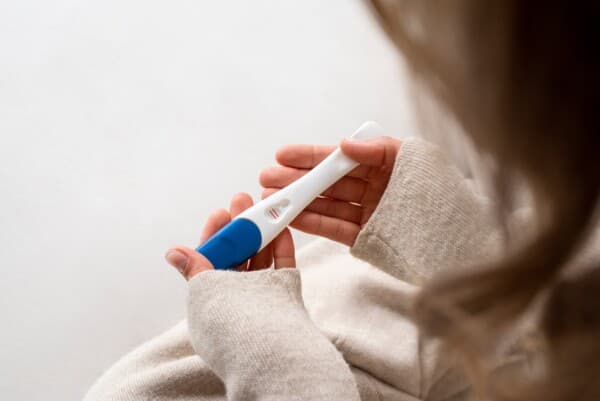
The frozen embryo transfer resulted in a positive pregnancy blood test, followed by confirmation of a multiple clinical pregnancy.
This case highlights how treatment may sometimes need to be staged across more than one retrieval cycle when ovarian reserve is low and several fertility factors coexist.