
 Our Centers
 Select City


 Select City

Fertility Files – Real Cases of Infertility Challenges
At 43, Choosing to Try with Their Own Embryo
43 years old. Low ovarian reserve. High genetic risk. Most would say the odds are stacked against you. At this stage, it’s not just about getting pregnant, it’s about whether eggs are viable, whether embryos will form, and whether they will be chromosomally normal. But for this couple, one decision mattered deeply: They wanted to try with their own gametes.
Case Snapshot
Journey Timeline

1. Complex Challenges

2. Personalised Plans

3. Safe Retireval & Transfer

4. Guided Transfer

5. Successful Pregnancy
The Barriers They Faced

Advanced Maternal Age (43)
Reduced egg quality and higher aneuploidy risk.

Poor Ovarian Reserve
Limited number of eggs available.

Embryo Viability Concerns
Not all embryos would be genetically normal.

Need for Self Gametes
Required optimising outcomes without donor support.

Precision-Driven Success
Each step had to be carefully planned and executed.
Doctor's Quote
“The key was to tailor every aspect of care to this patient's unique needs, balancing safety, comfort, and clinical effectiveness.”— Dr. Priyanka Yadav
The Treatment Plan that made the Difference
Controlled Ovarian Stimulation
Designed to retrieve the best possible number of viable oocytes.
IVF with Advanced Embryology Support
Fertilisation followed by extended blastocyst culture to assess embryo potential.

Embryo Development
5 blastocysts formed – 3 good-quality – 2 average-quality
PGT-A (Genetic Testing)
Performed on the 3 best embryos → 1 euploid (chromosomally normal) embryo identified

Single Embryo Transfer
The euploid embryo was transferred under optimised clinical conditions to maximise implantation success.
A Story of Choosing Possibility
The Outcome
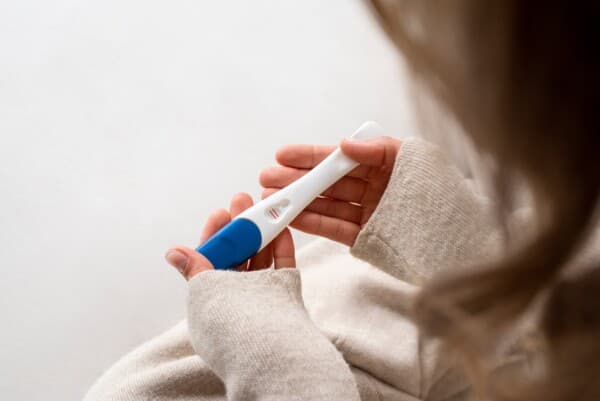
β-hCG confirmed a positive pregnancy.
The pregnancy is progressing well, currently in the 4th month.