
 Our Centers


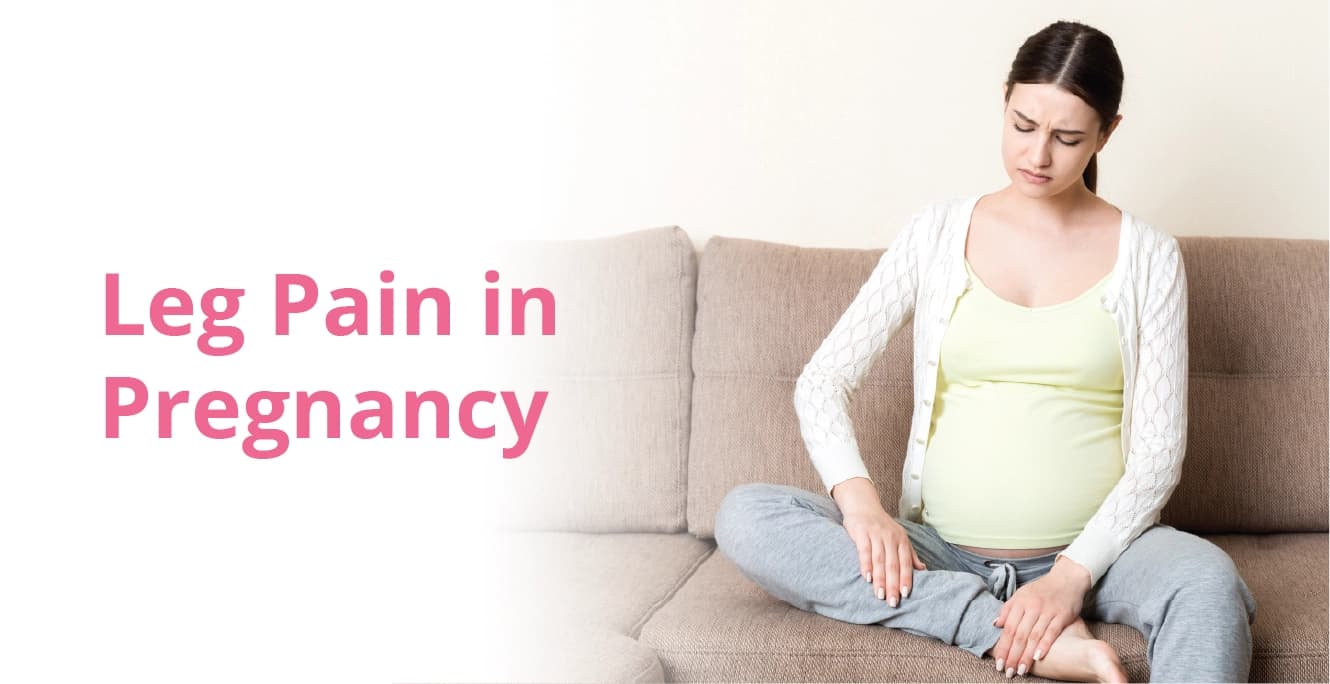
Leg Pain in Pregnancy and How to Manage It Safely

Table of Contents
Leg pain in pregnancy can feel frustrating, especially when it shows up early and you’re unsure why it’s happening.
Many women wonder, “Is leg pain common in early pregnancy?” or “Do legs pain in early pregnancy because of hormones or something else?
Pregnancy-related leg pain is more prevalent than you might imagine, especially when your body begins to adapt to new changes. Early in pregnancy, many expectant mothers have leg pain and wonder if it’s typical or something to be concerned about.
Some people experience it as a mild aching, while others experience severe left leg pain during pregnancy or discomfort that worsens at night. Leg pain during the third trimester of pregnancy can become more common as the months go by because the growing baby puts additional strain on your back and legs.
The good news? The majority of this soreness is tolerable. We’ll explain what’s causing it and how to safely reduce the discomfort in this tutorial.
Leg Pain in Pregnancy Trimester-Wise
Here are all the reasons why legs pain in pregnancy happen. We have segregated them trimester-wise for your better understanding.
| Trimester | Weeks | What’s Happening | Why Leg Pain in Preganncy |
| First | 1-12 | Hormonal changes happen which increases blood volume and you face early pregnancy fatique | pain in legs and back during early pregnancy, slight water retention, early circulation changes |
| Second | 13-27 | Baby grows, uterus expands and weight gain accelerates | leg pain in night during pregnancy due to increased pressure especially on leg muscles and veins, start of swelling |
| Third (Early) | 28-34 | Fetal grows, posture changes and there is a increase in pressure in the pelvic region | More frequent leg cramps, heaviness in legs, varicose veins may develop due to reduced blood flow. |
| Third (Late) | 35-40 | Baby drops lower and you feel maximum weight load with reduced mobility | Intense leg cramps, sharp calf pain, swelling (edema), increased risk of Restless Leg Syndrome (RLS) and major leg pain in 9th month of pregnancy. |
Causes of Leg Pain in Pregnancy
The first step to getting relief from leg pain during pregnancy is understanding what’s causing it. There are a number of reasons why you could be having frequent leg cramps throughout your second or third trimester. Nonetheless, some of the more likely reasons for these leg problems during pregnancy could be:
- Low amounts of calcium
- Stress on joints
- Variations in blood flow
- Pressure on the nerves
- Dehydration
Diagnosis of Leg Pain in Pregnancy
A combination of clinical assessment, patient history, and certain testing to rule out significant illnesses are used to diagnose leg pain during pregnancy. Usually, healthcare professionals take these actions:
- Review of Medical History- The doctors check for duration, severity, and pattern of leg pain during pregnancy. These help them understand whether the pain is cramping, sharp, or throbbing. Any history of varicose veins, previous pregnancy complications, or blood clot disorders needs to be discussed with your doctor.
- Physical Examination– The second step of the diagnosis of leg pain in pregnancy involves checking for thderness, swelling, or localised warmth. The doctors examine the calf muscles for tightness or sensitivity.
- Evaluation of Symptoms– Recognising symptoms such as oedema, muscle exhaustion, or nerve compression that are unique to pregnancy. Keeping track of warning signs include abrupt swelling, excruciating pain, or discolouration
- Blood Tests- There are some cases in which doctors recommended blood tests. It helps figure our D-dimer or clotting profile if there’s suspicion of deep being thrombosis (DVT).
- Ultrasound- A non-invasive test used to assess blood flow in the legs. It is essential to rule out DVT, which needs urgent treatment to reduce any risk of future complications.
- Review of Lifestyle Factors– Hydration, physical activity, sleep patterns, and electrolyte levels
A timely diagnosis ensures proper management and prevents complications.
How to Treat Leg Pain in Pregnancy
Managing leg pain during pregnancy focuses on relieving discomfort, improving circulation, and preventing worsening symptoms. Effective treatment options include:
Warm Compress or Warm Bath
- Helps relax tight muscles and reduce cramping.
- A warm bath before bed can prevent leg pain at night.
Gentle Stretching Exercises
- Stretching the calf and hamstring muscles daily reduces frequency of cramps.
- Prenatal yoga can also improve flexibility and circulation.
Stay Hydrated
- Dehydration is a common trigger for muscle cramps, especially in the third trimester.
Adequate Electrolytes
- Ensure sufficient intake of magnesium, calcium, and potassium through diet or supplements (only if recommended by your doctor).
Massage Therapy
- Light leg massages improve blood flow and ease muscle tension.
Use Pregnancy-Safe Pain Relief
- Paracetamol (acetaminophen) may be recommended for severe pain—only under medical supervision.
- Avoid NSAIDs unless specifically advised.
Compression Stockings
- Help reduce swelling, improve circulation, and prevent varicose vein-related pain.
Elevate Your Legs
- Keeping legs raised above heart level for 10–15 minutes reduces swelling and discomfort.
Wear Supportive Footwear
- Avoid high heels; choose cushioned, arch-supportive shoes.
Prenatal Physiotherapy
- A physiotherapist can guide safe exercises to manage nerve-related pain like sciatica.
How to Prevent Leg Pain in Pregnancy
Here are some tips on how your can prevent leg pain during pregnancy:
- Stretch calf muscles – Leg pain during pregnancy may be avoided by stretching before bed. Keep your distance from a wall at arm’s length. Move your right foot behind your left foot while placing your hands on the wall in front of you. With your right knee straight and your right heel on the ground, slowly bend your left leg forward. For roughly thirty seconds, hold the stretch. Maintain a straight back and forward-facing hips. Avoid moving your feet outward or inward. Repeat after switching legs.
- Be active- Right ot left leg pain in pregnancy may be avoided with regular exercise. Make sure an exercise program is safe for you by consulting your healthcare practitioner before startin
- Stay hydrated- Drinking water may be possible to avoid cramps by keeping your muscles hydrated. Your urine should be clean or pale yellow when you’re getting enough water. You may not be receiving enough water if your urine has a deeper yellow colour.
- Eat food rich in calcium– Leg cramps may be caused by reduced blood calcium levels during pregnancy, according to some study. Take 1,000 mg of calcium daily if you are or may become pregnant.
- Consider taking a magnesium supplement- Pregnancy-related leg cramps may be avoided by taking a magnesium supplement, despite conflicting research findings. Before taking a supplement, consult your physician. Additionally, you might think about consuming more foods high in magnesium, like nuts, seeds, beans, whole grains, and dried fruits.
- Put on appropriate footwear– Choose shoes that support your feet well and are comfy. Wearing shoes with a sturdy heel counter could be beneficial. It helps keep the foot in the shoe by encircling the heel.
Exercise to Ease Leg Cramps
Here are some exercised to ease leg cramps:
- Calf Stretch: Step one leg back, press the heel down, and hold for 20–30 seconds.
- Ankle Rotations: Rotate each ankle clockwise and anticlockwise to relax tight muscles.
- Toe Flex & Point: While sitting or lying down, gently flex and point your toes to ease tension.
- Hamstring Stretch: Extend one leg forward and lean slightly until you feel a mild stretch.
- Wall Stretch: Place hands on a wall and gently stretch your calves and lower legs.
- Short Walks: Walk for 10–15 minutes daily to improve circulation.
- Prenatal Yoga: Light yoga poses help relax leg muscles and prevent nighttime cramps.
Difference Between Leg Cramp & Restless Leg Syndrome (RLS)
| Feature | Leg Cramps | Restless Leg Syndrome (RLS) |
| What it is | Sudden, involuntary tightening of leg muscles | Uncontrollable urge to move the legs, usually due to uncomfortable sensations |
| When it happens | Often at night or after long periods of sitting/standing | Mostly during rest or at night, especially while trying to sleep |
| Pain Type | Sharp, intense muscle pain or knotting | Tingling, crawling, pulling, or burning sensation (not sharp pain) |
| Duration | Lasts a few seconds to a few minutes | Can last for hours and often disrupts sleep |
| Relief | Stretching, massage, warm compress | Temporary relief after moving legs; symptoms return when resting |
| Cause | Dehydration, muscle fatigue, low minerals, pregnancy changes | Neurological condition, low dopamine, iron deficiency, pregnancy |
| Impact on Sleep | May wake you up during a cramp | Causes difficulty falling asleep or staying still |
| Is Movement Needed? | Movement helps stop the cramp | Movement is necessary to relieve discomfort |
Conclusion
Pregnancy-related leg pain is common and, for the most part, a normal part of your body’s changing requirements as it supports your developing baby. Simple lifestyle adjustments, mild exercise, and adequate hydration can make a significant difference, regardless of whether it manifests in the early stages of pregnancy owing to hormonal changes or intensifies in the third trimester.
You can stay safe and comfortable by being aware of the reasons and knowing when to seek assistance. Always seek medical advice if the discomfort worsens, persists, or is accompanied by redness or swelling. You may safely treat leg pain during pregnancy if you receive the proper care.
Our Fertility Specialists


Lucknow, Uttar Pradesh
Dr. Shreya Gupta
MBBS, MD (Obstetrics & Gynaecology), DNB (Obstetrics & Gynaecology)


Varanasi, Uttar Pradesh
Dr. Deepika Mishra
MBBS, MS (Obstetrics & Gynaecology)

Kolkata, West Bengal
Dr. Swati Mishra
MBBS, MS (Obstetrics & Gynaecology)

Gurgaon – Sector 14, Haryana
Dr. Prachi Benara
MBBS (Gold Medalist), MS (OBG), DNB (OBG), PG Diploma in Reproductive and Sexual health
Related Blogs




To know more
Birla Fertility & IVF aims at transforming the future of fertility globally, through outstanding clinical outcomes, research, innovation and compassionate care.


Had an IVF Failure?
Talk to our fertility experts