
 Our Centers


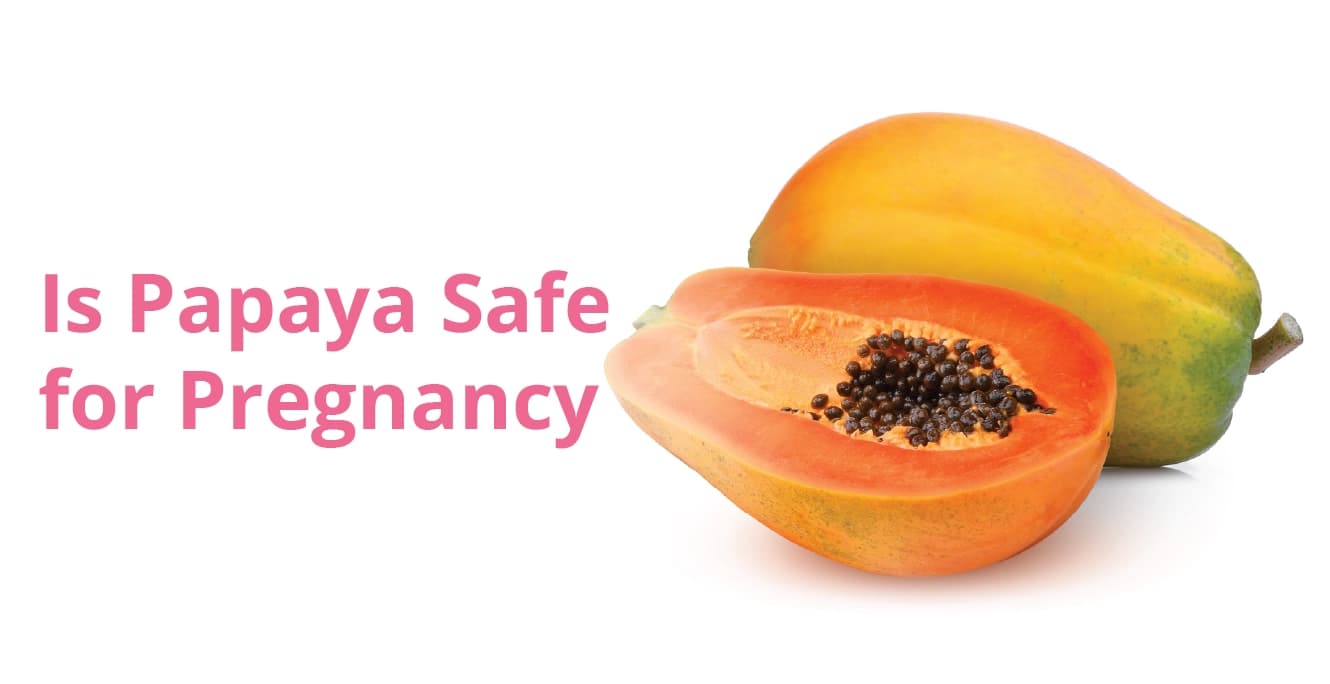
Is Papaya Safe for Pregnancy?

Table of Contents
If you’re expecting, you’ve probably heard at least one person warn you, “Don’t eat papaya!”
And all of a sudden, a fruit you used to adore turns into a big mystery.
Is it safe to eat papaya while pregnant, or should you avoid it?
There is a lot of uncertainty among expectant mothers about what is truly safe for the unborn child. In this blog, we cover the benefits and dissect the myths. Let’s get started:
Benefits of Eating Ripe Papaya in Pregnancy
Here are some of the papaya benefits in pregnancy that you should know about:
- Ripe Papaya offers essential vitamins, including A, C, and E. These help strengthen your immune system during pregnancy.
- It has folate, a vital nutrient that promotes the development of your baby’s brain and spine.
- Constipation is a frequent pregnancy problem that is lessened by the high fiber content.
- Its natural digestive enzymes help with post-meal bloating and discomfort.
- Antioxidants included in papaya help prevent cell damage and promote general health.
- It promotes skin health and may help reduce pigmentation caused by hormonal fluctuations.
- The fruit’s beta-carotene concentration also promotes healthy vision.
- Ripe papaya is a healthful and pleasant addition to your pregnancy diet because it is low in calories and hydrating.
Nutrient Value in Papaya
|
Nutrient |
Amount (per 100g) |
|
Calories |
43 kcal |
|
Carbohydrates |
10.8 g |
|
Natural Sugars |
7.8 g |
|
Dietary Fibre |
1.7 g |
|
Protein |
0.5 g |
|
Fat |
0.3 g |
|
Vitamin C |
60.9 mg |
|
Vitamin A (Beta-carotene) |
950 IU |
|
Folate (Vitamin B9) |
37 mcg |
|
Potassium |
182 mg |
|
Magnesium |
21 mg |
|
Calcium |
20 mg |
|
Antioxidants |
High |
Myths and Facts of Having Papaya in Pregnancy
There are some myths around eating papaya in pregnancy. Let’s see what the truth is behind them.
- Myth: All types of papaya can cause miscarriage in early pregnancy.
Fact: Only unripe or semi-ripe papaya can cause miscarriage. It is because they contain latex, which may cause uterine contractions. Hence, unripe papaya in pregnancy should be avoided.
- Myth: Eating papaya in pregnancy leads to birth defects in the baby.
Fact: Ripe papaya in pregnancy is safe and does not have any impact on the baby. Instead, as mentioned earlier, it is packed with nutrients like fibre, vitamin C, folate, and antioxidants.
- Myth: Even a small amount of papaya is unsafe during any stage of pregnancy.
Fact: There is no scientific evidence linking ripe papaya to pregnancy complications.
- Myth: Papaya generates excess body heat, which harms the pregnancy.
Fact: Eating fully ripe, soft, yellow-orange papaya in moderation is considered safe by nutrition experts.
Can Papaya Cause Miscarriage in Early Pregnancy
Many women worry that eating papaya during early pregnancy can cause a miscarriage. This belief primarily stems from the latex found in unripe or semi-ripe papaya, which may induce mild uterine contractions. However, ripe papaya contains almost no latex and is generally considered safe when eaten in moderation.
Research supports this distinction. A study in the British Journal of Nutrition found that only unripe papaya showed contraction-inducing effects in animal models, while ripe papaya did not. Another review in the Journal of Obstetrics and Gynaecology noted that there is no clinical evidence linking ripe papaya to pregnancy loss.
For safety, avoid unripe papaya and stick to fully ripe fruit. Always consult your doctor for personalised dietary advice.
Papaya Juice in Pregnancy?
Papaya juice can be safe in pregnancy only if it’s made from fully ripe papaya. Ripe papaya contains minimal latex, is rich in vitamin C, folate, and antioxidants, and can support digestion and immunity. However, avoid unripe or semi-ripe papaya juice, as the higher latex content may trigger mild uterine contractions.
Safe Tips:
- Use only fully ripe papaya (deep orange, soft).
- Avoid juices made outside the home to reduce contamination risk.
- Drink in moderation as excess may cause loose stools.
- Consult your doctor if you have a high-risk pregnancy.
When consumed correctly, ripe papaya juice can be a nutritious and refreshing option.
Alternative Fruits to Have in Pregnancy
Here are some alternative fruits that you can have during pregnancy:
Apples
Apples can be eaten during pregnancy because they are a vital source of fiber, vitamins, and minerals. Eating apples can improve digestion, alleviate constipation, increase immunity, and lower the risk of allergies and asthma.
Citrus
Citrus fruits are rich in vitamin C, which improves iron absorption. Eating citrus fruit during pregnancy can reduce the developing baby’s chance of neural tube abnormalities. Given that the fruit contains minerals like folate, this could be feasible. Additionally, the fruit helps pregnant women manage symptoms like nausea and stay hydrated.
Bananas
There are many advantages to including bananas in a pregnant woman’s diet. Preventing constipation, controlling symptoms such as nausea, and managing blood pressure are potential advantages. The fruit has potassium, fiber, and vitamin B6.
Kiwis
Antioxidants, vitamin B9, folate, and fiber are among the ingredients that make kiwis an excellent option for pregnant moms. The fruit is essential for improving foetal growth since it contains vitamin B9, folate. Additionally, it reduces the possibility of neural tube abnormalities in the developing foetus, particularly during the first trimester of pregnancy. Additionally, the fruit helps improve immunity and treat constipation.
Watermelon
Watermelon has a high water content, but it also has additional nutritional benefits like vitamins and antioxidants. Controlling pregnancy symptoms, including constipation, morning sickness, and heartburn, may be one of the main advantages of eating watermelon.
Mangoes
Mangoes offer several health benefits, especially when consumed during pregnancy. This is because the fruit is a vital source of vitamins, minerals, fiber, and antioxidants. Mango eating in moderation can improve the health of the developing foetus as well as the mother. Additionally, the fruit helps alleviate constipation, one of the most prevalent pregnancy concerns.
Muskmelon
Muskmelon is rich in potassium, vitamins A and C, and folate; it is an excellent option for pregnant women. Each of these nutrients is essential for maintaining the health of both the mother and the unborn child. Muskmelon use during pregnancy may have two main advantages: it may improve foetal growth and promote immunity.
Bottom Line
By now, you’ve probably realised one thing: papaya isn’t the villain it’s made out to be. The real concern lies only with unripe or semi-ripe papaya, which contains higher latex levels. Fully ripe papaya, on the other hand, is nutritious, safe, and beneficial when eaten in moderation.
You shouldn’t have to worry about every fruit you eat because pregnancy already causes enough confusion. Making confident, healthful decisions for yourself and your child is made easier when you know the difference between ripe and unripe papaya.
Additionally, there are many tasty and safe substitutes for papaya, such as apples, bananas, kiwis, citrus fruits, mangoes, and more.
Never forget that your food during pregnancy should support the growth of your unborn child, nourish you, and make you feel good without needless anxiety.
Our Fertility Specialists


Varanasi, Uttar Pradesh
Dr. Deepika Mishra
MBBS, MS (Obstetrics & Gynaecology)


Lajpat Nagar, Delhi
Dr. Muskaan Chhabra
MBBS, MS (OBGY), DNB (OBGY), MNAMS, MRCOG1

Kolkata, West Bengal
Dr. Swati Mishra
MBBS, MS (Obstetrics & Gynaecology)

Gurgaon – Sector 14, Haryana
Dr. Prachi Benara
MBBS (Gold Medalist), MS (OBG), DNB (OBG), PG Diploma in Reproductive and Sexual health
Related Blogs






To know more
Birla Fertility & IVF aims at transforming the future of fertility globally, through outstanding clinical outcomes, research, innovation and compassionate care.


Had an IVF Failure?
Talk to our fertility experts