
 Our Centers
 Select City


 Select City
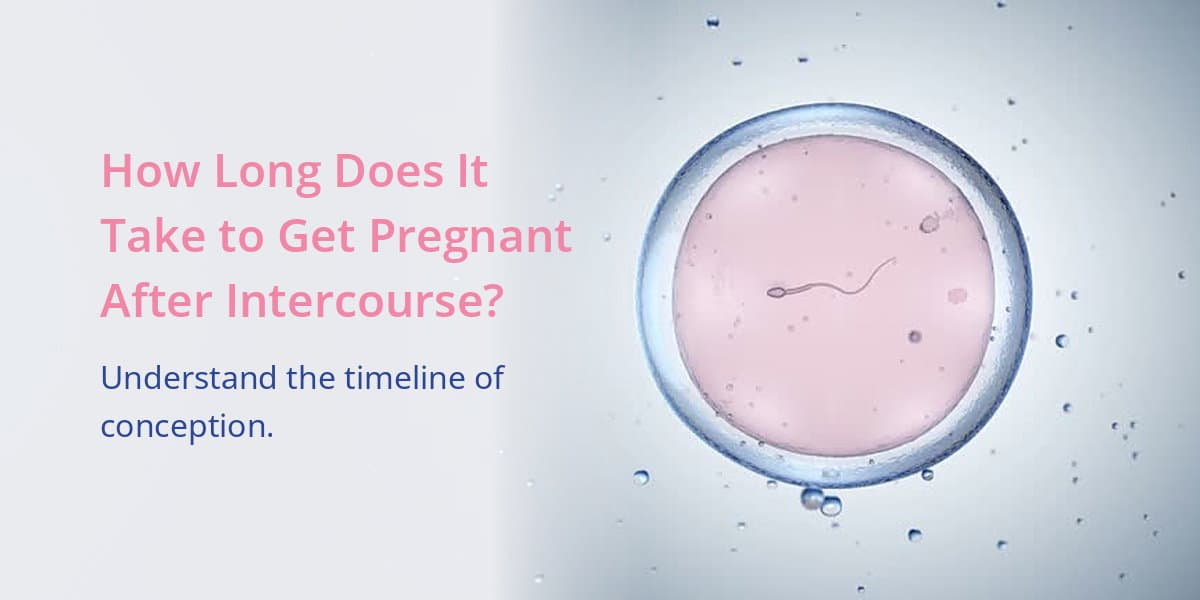
How Long Does It Take to Get Pregnant After Intercourse?

Table of Contents
- Overview
- How Does Pregnancy Occur After Intercourse?
- How Long Does It Take to Get Pregnant After Intercourse?
- How Long Does Sperm Survive Inside the Female Body?
- When Does Fertilisation Occur After Intercourse?
- How Long Does Implantation Take After Fertilisation?
- When Do Pregnancy Symptoms Start After Intercourse?
- How Soon Can You Take a Pregnancy Test After Intercourse?
- What Factors Affect How Quickly You Can Get Pregnant?
- How to Improve Your Chances of Getting Pregnant?
- When Should You Consult a Fertility Specialist?
- Frequently Asked Questions
- Can You Get Pregnant Immediately After Intercourse?
- How Many Days After Intercourse Does Fertilisation Occur?
- Can Sperm Survive for 5 Days Inside the Female Body?
- Can You Get Pregnant Before Ovulation?
- How Long Does It Take for Sperm to Reach the Egg and Get Pregnant?
- How Many Days After Intercourse Can Pregnancy Symptoms Start?
- Minimum How Many Days to Get a Pregnancy Test?
- How Long Does It Take to Get Pregnant After Period?
- Does Urinating After Intercourse Prevent Pregnancy?
- How Long Does It Usually Take to Get Pregnant Naturally?
Overview
Pregnancy can occur within a few hours to several days after intercourse, depending on when ovulation occurs. Sperm can survive inside the female reproductive tract for up to 5 days, while the egg can usually be fertilised for about 12 to 24 hours after ovulation. This means fertilisation may happen several days after intercourse if sex takes place before ovulation.
However, fertilisation is not the same as pregnancy being established. After fertilisation, the developing embryo travels to the uterus and typically implants in the uterine lining about 5 to 6 days after ovulation. A pregnancy test can detect hCG only after implantation, which is why pregnancy cannot be confirmed immediately after intercourse.
.
How Does Pregnancy Occur After Intercourse?
Pregnancy begins through a series of steps rather than at the exact moment of intercourse. After ejaculation, sperm enter the vagina and travel through the cervix and uterus towards the fallopian tubes. If an egg has been released while viable sperm are present, there are chances that one sperm may fertilise the egg.
The basic sequence is:
- Intercourse: Sperm are released into the vagina.
- Sperm travel: Sperm move through the cervix and uterus towards the fallopian tubes.
- Ovulation: An egg is released from the ovary.
- Fertilisation: If viable sperm meet the egg, fertilisation may occur in the fallopian tube.
- Early development: The fertilised egg begins dividing as it travels towards the uterus.
- Implantation: The developing embryo attaches to the lining of the uterus.
Only after implantation does the body begin producing detectable amounts of human chorionic gonadotropin (hCG), the hormone detected by pregnancy tests.
How Long Does It Take to Get Pregnant After Intercourse?
There is no fixed duration that applies to everyone because pregnancy depends on when ovulation occurs. If intercourse happens around the time of ovulation, fertilisation can occur within about 24 hours of the egg being released. The egg remains available for fertilisation for around 12 to 24 hours after ovulation.
Pregnancy can also occur when intercourse happens a few days before ovulation. This is because sperm can survive in the female reproductive tract for up to 5 days. If ovulation occurs while viable sperm are still present, one of them may fertilise the newly released egg. This is why sex several days before ovulation can still result in pregnancy.
For example:
- Sex 5 days before ovulation: Sperm may survive until the egg is released.
- Sex 2 days before ovulation: This falls within the fertile window and can result in fertilisation around ovulation.
- Sex on the day of ovulation: Fertilisation may occur within hours after the egg is released.
- Sex 1 day after ovulation: Pregnancy is still possible if the egg remains viable, although the chance is lower.
This is why it is more useful to think about the fertile window rather than a fixed number of days after intercourse.
How Long Does Sperm Survive Inside the Female Body?
Sperm can survive for about 3 days and sometimes up to 5 days in the female reproductive tract, particularly if the conditions around ovulation are favourable. This is important because intercourse before ovulation can still lead to pregnancy. For example, if someone has intercourse two days before ovulation, viable sperm may still be present when the egg is released.
The fertile window is generally considered to be the 6-day period ending on the day of ovulation, with the highest chances of conception generally around the days just before ovulation.
When Does Fertilisation Occur After Intercourse?
Fertilisation takes place when a sperm successfully meets an egg in the fallopian tube. The timing depends on when intercourse happens in relation to ovulation. If sperm is already present at the time of ovulation, fertilisation may happen within a few hours of egg release. If intercourse occurs several days before ovulation, sperm can survive and fertilise the egg when it becomes available. Once ovulation has occurred, the egg generally remains available for fertilisation for around 12 to 24 hours.
So if you are wondering, how long does it take for sperm to fertilise an egg? There is no fixed time. Sperm may reach the fallopian tubes relatively quickly but fertilisation depends on whether a viable egg is present and whether one sperm successfully penetrates it.
How Long Does Implantation Take After Fertilisation?
Fertilisation and implantation are two separate stages. Once fertilisation occurs, the developing embryo keeps on dividing while travelling towards the uterus and finally attaches to the lining of the uterus in a process known as implantation.
Implantation normally happens about 5 to 6 days after ovulation, although the exact timing can vary from person to person. This distinction is important when thinking about how many days after sex pregnancy occurs. For example, intercourse may happen several days before ovulation, fertilisation may occur around ovulation and implantation may happen several days after that. This means pregnancy cannot be confirmed simply by noticing what happens immediately after intercourse.
When Do Pregnancy Symptoms Start After Intercourse?
Pregnancy symptoms usually do not appear immediately after intercourse. The body needs to undergo hormonal changes after implantation before typical pregnancy signs can develop. Some people may notice symptoms around the time their period is due, while others may not notice any symptoms in early pregnancy.
Possible early signs can include:
- A missed period
- Breast tenderness
- Tiredness
- Nausea
- Increased urination
- Mild abdominal cramping
- Changes in appetite or smell sensitivity
However, these symptoms are not specific to pregnancy. Premenstrual hormonal changes can cause some of the same symptoms. Therefore, symptoms alone cannot confirm pregnancy. A pregnancy test is a more reliable way to find out.
How Soon Can You Take a Pregnancy Test After Intercourse?
Pregnancy tests detect hCG, which starts being produced after implantation. Testing immediately after intercourse is therefore too early to confirm pregnancy.
For a home urine pregnancy test, the most reliable time is generally from the first day of your missed period. If you do not know when your period is due, the NHS recommends taking a pregnancy test at least 21 days after the last unprotected sex.
If you test early and get a negative result but your period does not arrive, repeat the test a few days later or about one week after the missed period. Testing too early can result in a false-negative because hCG may not yet be high enough to detect.
A simple timeline is:
Intercourse → Sperm survival → Ovulation → Fertilisation → Implantation → hCG production → Positive pregnancy test
The exact number of days between these stages depends largely on the timing of ovulation and implantation.
What Factors Affect How Quickly You Can Get Pregnant?
Having intercourse during the fertile window does not guarantee pregnancy in that cycle. Several factors can affect the chances of conception, including:
- Timing of ovulation: Ovulation may not occur on exactly the same day every cycle.
- Age: Female fertility generally declines with increasing age.
- Sperm quality: Sperm count, movement and shape can affect the ability to fertilise an egg.
- Ovulation: Conditions that interfere with regular ovulation can make conception more difficult. For example, PCOS, thyroid or hormonal imbalances.
- Fallopian tube and uterine health: Problems affecting the reproductive tract can interfere with fertilisation or implantation.
- Underlying reproductive conditions: Conditions such as endometriosis or other fertility-related problems may affect conception.
Both partners can contribute to fertility challenges, so an evaluation may involve looking at ovulation, the reproductive tract and semen parameters.
How to Improve Your Chances of Getting Pregnant?
If you are trying to conceive, timing intercourse around ovulation can improve the chances of pregnancy.
The fertile window is approximately 6 days ending on the day of ovulation. Having intercourse every day or every other day during this window can help maximise the chance of conception.
You can track ovulation using methods such as:
- Tracking your menstrual cycle
- Observing changes in cervical mucus
- Using ovulation predictor kits
It is also helpful to maintain a healthy lifestyle, avoid smoking and recreational drugs, and discuss any regular medicines or health conditions with your doctor when planning pregnancy.
When Should You Consult a Fertility Specialist?
If you have been having regular, unprotected intercourse without becoming pregnant, the timing of a fertility evaluation depends on age and individual circumstances.
Generally:
- Under 35 years: Consider an evaluation after 12 months of trying.
- 35 years or older: Consider an evaluation after 6 months of trying.
- Over 40 years: A more immediate evaluation may be appropriate.
You may also benefit from an earlier evaluation if you have irregular or absent periods, known endometriosis, suspected male-factor infertility, previous reproductive problems, or another condition that may affect fertility.
A fertility evaluation can help identify whether the issue relates to ovulation, sperm, the fallopian tubes, the uterus or another factor.
Frequently Asked Questions
Can You Get Pregnant Immediately After Intercourse?
Pregnancy does not occur immediately after intercourse. Fertilisation can occur only when viable sperm meet an available egg, usually around ovulation. Implantation then takes place about 6 to 10 days later that is when pregnancy is established.
How Many Days After Intercourse Does Fertilisation Occur?
It depends on when you ovulate. If intercourse occurs before ovulation, sperm may survive for up to 5 days and fertilise the egg when it is released. If intercourse occurs around ovulation, fertilisation may occur within about 24 hours of ovulation.
Can Sperm Survive for 5 Days Inside the Female Body?
Yes. Sperm can survive for about 3 days and sometimes up to 5 days in the female reproductive tract, particularly around the fertile window.
Can You Get Pregnant Before Ovulation?
Yes. In fact, intercourse in the days before ovulation can result in pregnancy because sperm may remain viable until the egg is released. The fertile window includes the 5 days before ovulation and the day of ovulation.
How Long Does It Take for Sperm to Reach the Egg and Get Pregnant?
Sperm can travel through the reproductive tract relatively quickly, but reaching an egg and fertilising it are not the same thing. Fertilisation depends on whether an egg has been released and whether a viable sperm successfully fertilises it. Pregnancy is established later, after implantation.
How Many Days After Intercourse Can Pregnancy Symptoms Start?
Pregnancy symptoms do not usually start immediately after intercourse. They may become noticeable around or after the time of a missed period, although some people have no early symptoms at all. A pregnancy test is more reliable than symptoms for confirming pregnancy.
Minimum How Many Days to Get a Pregnancy Test?
If you know when your period is due, a home pregnancy test is generally most reliable from the first day of your missed period. If you do not know when your next period is due, test at least 21 days after the last unprotected sex.
How Long Does It Take to Get Pregnant After Period?
There is no fixed number of days because it depends on when ovulation occurs. If ovulation happens soon after your period, intercourse during the days leading up to ovulation can result in pregnancy. Sperm may survive for up to 5 days, so intercourse before ovulation can still lead to conception.
Does Urinating After Intercourse Prevent Pregnancy?
No. Urinating after intercourse does not prevent pregnancy because urine passes through the urethra, not the vagina. If sperm have entered the reproductive tract, urinating cannot remove them or prevent fertilisation.
How Long Does It Usually Take to Get Pregnant Naturally?
It varies from couple to couple. Some conceive in the first few cycles, while others may take longer. Age, timing of intercourse, ovulation, sperm health and reproductive health can all affect the time to conception. If pregnancy has not occurred after 12 months of trying when the woman is under 35 or after 6 months when she is 35 or older, a fertility evaluation is generally recommended.
Our Fertility Specialists
To know more
Birla Fertility & IVF aims at transforming the future of fertility globally, through outstanding clinical outcomes, research, innovation and compassionate care.


Had an IVF Failure?
Talk to our fertility experts