
 Our Centers


Case Study: Real Cases of Infertility Challenges
When PCOS, Diabetes & even a rare Uterine condition couldn't stop Motherhood.
On paper, her chances looked impossible. PCOS, diabetes, obesity, hypertension, vaginismus, and even a rare uterine anomaly all stacked up against her. But with the right science, the right doctors, and care that treated her as more than just a patient, she went on to experience the joy of pregnancy.

Case Snapshot
Journey Timeline

1. Complex Challenges

2. Personalised Plans

3. Safe Retireval & Transfer

4. Guided Transfer

5. Successful Pregnancy
The Barriers She Faced
Polycystic Ovary Syndrome (PCOS)
Disrupted ovulation led to irregular cycles and often produced poor-quality eggs.
Type 2 Diabetes Mellitus
Affected ovarian function and egg quality, while also raising pregnancy risks like miscarriage and late-term complications.
Obesity and Hypertension
Made IVF outcomes poorer, increased risks during anesthesia, and negatively impacted implantation.
Unicornuate Uterus
Reduced uterine volume, which limited implantation capacity and raised miscarriage risk.
Severe Vaginismus
Involuntary pelvic muscle contractions that made procedures like IUI painful or nearly impossible.
Doctor's Quote
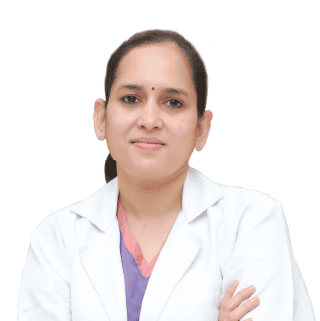
“The key was to tailor every aspect of care to this patient's unique needs, balancing safety, comfort, and clinical effectiveness.”— Dr. Prachi Benara
The Treatment Plan that made the Difference
Direct IVF with Personalised Stimulation
Since IUI and other procedures were not possible, treatment began directly with IVF. Stimulation was customised to avoid hyper stimulation, which is a potential risk in women with PCOS, aiming for a gentler approach.
Safe Sedation and Anesthesia
Her obesity, hypertension, and diabetes required cautious anaesthetic management. The team used intravenous sedation for both egg retrieval and embryo transfer, keeping her safe and comfortable, without inducing airway management.
Embryo Selection and Transfer
High-quality blastocysts were developed. With ultrasound guidance, the transfer was carefully done to the most receptive region of her uterus.
Post-Transfer Care
After transfer, she was monitored closely. A multidisciplinary team of diabetes experts, endocrinologists, anesthetists, and fertility experts worked together to manage her health throughout the cycle.
Lorem Ipsum Dolor Sit Amet
Explore More Cases Across India
Overcoming Endometriosis: Priya's Story (Mumbai)
Priya's journey through endometriosis and successful IVF treatment in Mumbai.

A Successful Pregnancy After Multiple Miscarriages (Delhi)
A story of hope and perseverance leading to a healthy baby in Delhi.
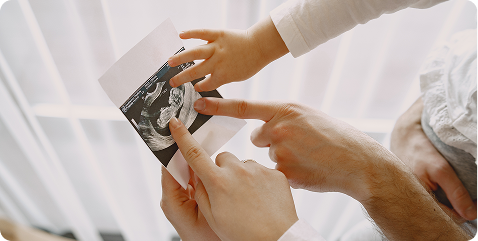
From PCOS to Parenthood: Anika's Journey (Bangalore)
Anika's path to motherhood despite PCOS challenges in Bangalore.
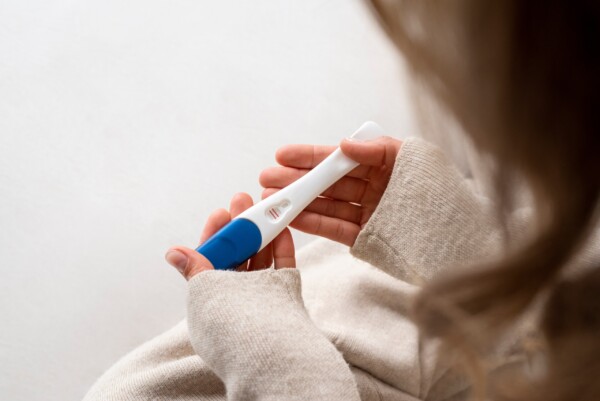
The Outcome Highlight
The IVF cycle succeeded. She conceived.
It was not an easy pregnancy, but with strict monitoring and coordinated antenatal care, she continued steadily toward parenthood.