
 Our Centers



Fertility Files – Real Cases of Infertility Challenges
IVF Success After Spinal Muscular Atrophy (SMA1) at Birla Fertility & IVF, Ahmedabad
For some couples, the path to parenthood is marked not just by infertility, but by the fear of passing on a life-threatening genetic disorder. This couple had experienced multiple pregnancy losses due to Spinal Muscular Atrophy Type 1 (SMA1), a rare inherited condition that affects infants. Each loss left them heartbroken and uncertain about their future.

Case Snapshot
Journey Timeline

1. Complex Challenges

2. Personalised Plans

3. Safe Retireval & Transfer

4. Guided Transfer

5. Successful Pregnancy
The Barriers They Faced

High Genetic Risk (SMA1 Carriers)
Both partners carried the SMA1 gene, giving every pregnancy a 25% risk of being affected by this severe, life-limiting condition.

Repeated Pregnancy Loss
The couple endured two neonatal losses and one medically terminated pregnancy, adding significant emotional and psychological strain.

Diminished Ovarian Reserve
With an AMH of 0.88 ng/mL, egg availability was limited, making each IVF attempt highly time-sensitive.

Previous IVF Failure
A prior unsuccessful IVF cycle elsewhere, despite PGT-A and PGT-M testing, increased both clinical complexity and emotional distress.
Age-Related Challenges
Maternal age nearing 40 necessitated comprehensive chromosomal screening to reduce the risk of abnormalities.
Complex Genetic Requirements
The case required dual genetic testing — PGT-M to prevent SMA1 transmission and PGT-A to ensure chromosomal normality.
Doctor's Quote
“The key was to tailor every aspect of care to this patient's unique needs, balancing safety, comfort, and clinical effectiveness.”— Dr. Nimisha Shantilal Pandya
The Treatment Plan that made the Difference

Embryo Accumulation Strategy
Given the woman’s low ovarian reserve, a multi-cycle IVF-ICSI plan was recommended. Eggs retrieved over several cycles were combined to create a sufficient pool of embryos for genetic testing — ensuring a stronger chance of finding a healthy, viable one.
Dual Genetic Testing: PGT-M + PGT-A
Two forms of preimplantation genetic testing were conducted before any embryo transfer: PGT-M (Preimplantation Genetic Testing for Monogenic Disorders): Used to screen embryos for the SMA1 gene mutation and exclude affected ones. PGT-A (Preimplantation Genetic Testing for Aneuploidy): Ensured only chromosomally normal (euploid) embryos were considered for transfer, especially important due to maternal age. This dual approach reduced the risk of miscarriage and maximised the chance of a successful, healthy pregnancy.

Embryo Selection and Backup Planning
Out of seven blastocysts that were biopsied and tested: One embryo was both chromosomally normal (euploid) and SMA1-negative — selected for transfer. One additional low-mosaic embryo was preserved as a backup option after detailed counselling. This meticulous selection ensured safety while maintaining emotional reassurance for the couple.

Emotional and Genetic Counselling
Genetic counselling played a critical role. The couple underwent multiple sessions where they were guided about the medical risks, inheritance patterns, and decision-making at each stage. After years of loss, empathetic communication was as healing as the medical process itself — helping the couple regain trust and hope in science and in life.
A Story of Parenthood Beyond Genetics
The Outcome Highlight
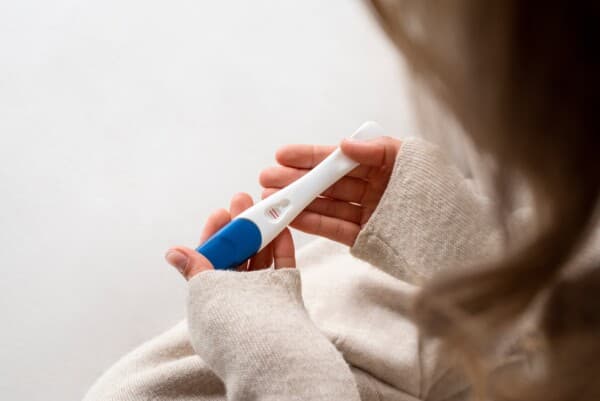
The selected SMA1-free, chromosomally normal embryo was transferred. A few weeks later, the pregnancy test came back positive.
For the first time in over a decade, the couple could breathe a sigh of relief. Their foetal scans showed normal growth, and the pregnancy progressed without genetic complications. It was more than a clinical success, it was a story of healing, hope, and resilience.